
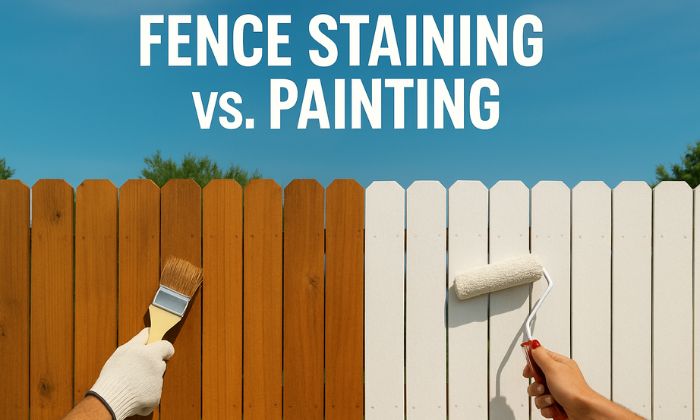
Your wooden fence is more than just a boundary; it’s a statement piece that adds charm, privacy, and value to your property. But as time passes, sun, rain, and harsh weather conditions can strip away its natural beauty. That’s where the age-old debate begins: Fence Staining vs. Painting. Which option will give your fence the best protection, the most stunning look, and the longest life?
Whether you’re protecting a brand-new wooden fence or reviving an old one, the choice between painting or staining can feel overwhelming. Both methods shield exterior wood from weather damage, but each offers unique benefits and challenges. Let’s dive deep to help you decide whether a stain or paint finish is right for your fencing panels.
Why Wood Fence Protection Matters
A wooden fence faces constant wear and tear from the elements. Sunlight causes fading, rain and humidity encourage rot, and freezing winters lead to cracking. Without proper care, even high-quality wood surfaces like cedar or pine will eventually lose their strength and beauty.
Outdoor wood preservation isn’t just about appearance, it’s about preventing rot, repelling water, and extending the life of your investment. Whether you choose an oil-based stain or a durable exterior paint, protecting your fence ensures it can withstand unpredictable weather conditions for the long term.
Fence Staining
What is Fence Staining?
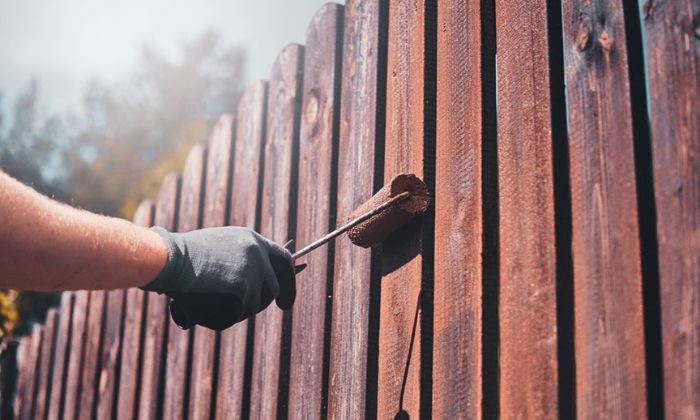
Fence staining involves applying a wood preserver that penetrates deep into the fibers of your fence. Unlike paint, which sits on the surface, stain soaks in to highlight the natural grain while adding color and a water-repellent barrier.
An oil-based stain is particularly effective because it nourishes the wood and protects against moisture, mold, and UV rays.
Advantages of Staining
Staining is a favorite for homeowners who love the authentic, rustic look of wooden fences. Here’s why:
- Natural Beauty: Stain enhances the wood’s natural texture and grain instead of covering it.
- Deep Protection: By penetrating the wood, stain provides strong defense against weather protection for fences, helping to prevent rot from within.
- Low Maintenance: Stains don’t peel or crack like paint. Instead, they fade gradually, making reapplication easier.
- Long-Term Savings: A high-quality stain can last 3–5 years before needing a refresh, offering a long-lasting fence finish.
Disadvantages of Staining
Despite its strengths, staining isn’t flawless:
- Limited Color Choices: While stains come in various shades, they lack the wide palette of paints.
- More Frequent Touch-Ups: Transparent or light stains may require reapplication sooner, especially in areas with harsh sun exposure.
- Preparation is Key: A pressure washer is often needed to clean the fence before applying stain, ensuring the product penetrates properly.
Fence Painting
What is Fence Painting?
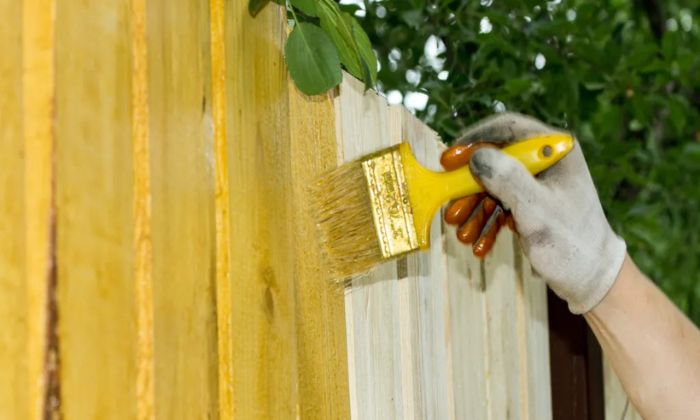
Fence painting involves covering wood surfaces with a solid layer of exterior paint. Unlike stain, which sinks in, paint forms a protective film sitting on the surface, sealing the wood from moisture and UV rays.
This option is ideal if you want bold, uniform color and maximum coverage.
Advantages of Painting
Painting offers some undeniable benefits:
- Vibrant Colors: With nearly unlimited shades, you can match your fence to your home’s exterior or create a standout design.
- Superior Coverage: Paint hides imperfections in aging wooden fences, giving old panels a fresh, clean appearance.
- Extended Protection: A high-quality exterior paint can protect against wear and tear, blocking moisture and reducing the risk of rot for up to 10 years.
Disadvantages of Painting
Painting also comes with trade-offs:
- Peeling and Cracking: Over time, paint can chip, peel, or blister, especially in climates with extreme weather conditions.
- Higher Maintenance: Unlike stain, paint requires scraping and sanding before repainting.
- Cost Over Time: While initial results last longer, the labor and materials needed for maintenance can add up.
Key Factors to Consider When Choosing
When deciding between Fence Staining vs. Painting, think beyond appearance. Your climate, budget, and fence’s condition all play crucial roles.
Climate & Weather
In areas with heavy rainfall or high humidity, stain’s penetrating seal offers better weather protection for fences. Dry, sunny regions may favor paint’s UV resistance.
If your region experiences freezing winters and scorching summers, an oil-based stain can adapt better to seasonal expansion and contraction.
Aesthetic Preference
Do you love the natural look of wood? Staining enhances the wood’s unique grain, perfect for a rustic or earthy vibe. If you crave bold, contemporary colors, painting your fence delivers unlimited possibilities.
Maintenance Requirements
If you prefer minimal upkeep, stain is generally easier to maintain. It fades gradually, requiring only a fresh coat every few years. Paint, however, demands scraping, sanding, and multiple coats to keep your fence looking sharp.
Budget
The cost difference between stain or paint depends on the products used and the size of your fence. While paint may have a longer lifespan, its prep and maintenance costs can outweigh its benefits over time.
Fence Age & Condition
New fences with smooth wood surfaces absorb stain better, making staining ideal for freshly installed fencing panels. Older fences with cracks or discoloration may benefit from paint’s ability to hide imperfections.
Cost Comparison
- Fence Staining: Generally $1.50–$3 per square foot, including labor. Lower upfront costs but requires reapplication every 3–5 years.
- Fence Painting: Typically $2–$5 per square foot. Higher initial expense but may last up to 10 years with proper care.
Consider not just the initial cost but also the long-term investment. A high-quality stain applied by professionals may outlast a budget paint job.
Maintenance Tips for Both Options
No matter your choice, proper maintenance keeps your fence looking beautiful and standing strong:
- Regular Cleaning: Use a pressure washer or gentle cleaner to remove dirt, mold, and mildew.
- Inspect for Damage: Check for cracks, loose boards, or signs of rot, and repair immediately to protect your fence from further decay.
- Reapply as Needed: Refresh stain every few years or repaint when peeling begins.
- Choose Quality Products: Always opt for high-quality paint and stain for the best long-term results.
By staying proactive, you’ll extend the life of your fence, regardless of whether you choose paint or stain.
Conclusion
When it comes to Fence Staining vs. Painting, there’s no one-size-fits-all answer. Staining offers a warm, natural look and easy maintenance, while painting provides bold colors and superior coverage. Your decision ultimately depends on your type of wood, climate, budget, and how much effort you’re willing to put into future upkeep.
If you cherish the natural beauty of wood and want outdoor wood preservation that penetrates deeply, staining is the way to go. But if you dream of a vibrant, uniform finish that transforms your exterior, painting delivers dramatic results.
Either way, taking action today to protect your fence will save you from costly repairs and keep your yard looking stunning for years to come. Choose wisely, use high-quality materials, and your fence will reward you with strength, style, and long-lasting fence finish.