
A Zip Line in your own backyard sounds like something straight out of an adventure park, right? Imagine the laughter of your kids as they glide through the air, or the joyful screams of friends enjoying the rush. Installing a zip line at home isn’t just about fun; it’s about creating memories, encouraging outdoor activity, and adding a truly unique feature to your property.
But before you jump into installing the zipline, there are essential things you need to know from safety and regulations to equipment and maintenance. Let’s break it all down step by step so you can make the best decision for your family and home.
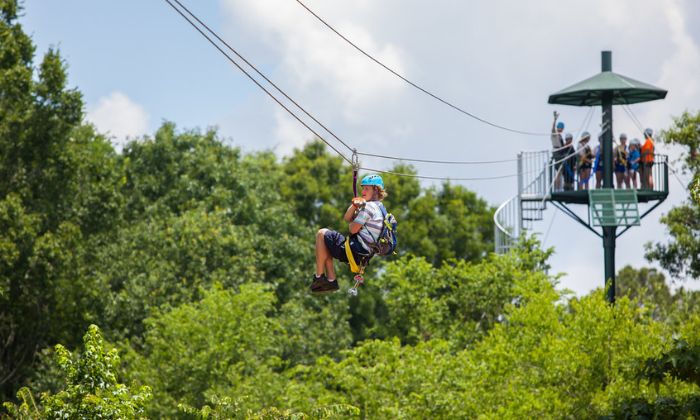
Benefits of Installing a Zip Line at Home
Bringing a backyard zipline to life is more than a weekend project; it’s an investment in experiences.
First, it creates outdoor fun and family bonding like nothing else. Instead of kids being glued to screens, they’ll be racing outside, eager for another ride. A residential zip line encourages children to explore the outdoors, build courage, and even strengthen friendships through play.
For adults, it’s a chance to join in the thrill. Thrill seekers of all ages can feel the adrenaline rush of a short flight between two trees or posts. The excitement rivals zipline adventures at a professional aerial adventure park, but it happens just a few steps from your back door.
On a practical level, a well-built zip line adds a unique attraction to your property. For families who love hosting gatherings, it instantly becomes a centerpiece of entertainment. And yes, if you ever plan to sell, buyers may see it as a bonus feature that sets your property apart.
Legal and Safety Considerations
Before you set up steel cables in your backyard, you need to understand the rules and risks.
- Local zoning laws and property regulations: Some neighborhoods or cities have restrictions on large outdoor structures, tree usage, or cable setups. Always check before starting.
- Insurance and liability coverage: A zip line means responsibility. Call your insurance provider to discuss coverage options in case of injuries. Having the right liability protection brings peace of mind.
- Safety standards and certifications to check: Professional ziplines follow strict safety standards. For a home setup, make sure your zip line equipment from brake systems to anchor points meets recommended guidelines. Even a DIY zip line kit for home use should come with certifications for durability and safety.
Skipping this step can turn your dream project into a costly mistake.
Choosing the Right Location
Location is everything for a successful setup.
Start with the tree requirements for zip line setup. The trees you choose should be healthy, mature, and sturdy enough to handle cable tension. Weak or damaged trees can fail under pressure, creating serious hazards. If you don’t have suitable trees, you’ll need to install posts designed to carry the load.
Also think about the starting point and start and finish alignment. The launch point should be elevated enough for the rider to gain speed, while the end point needs to allow for a safe stop. The slope of the land plays a role too—too steep and the ride becomes dangerous; too flat and riders might get stuck mid-air.
Lastly, consider the surroundings. Avoid routes over fences, pools, or structures. A backyard zipline should always have a clear, obstacle-free path.
Zip Line Equipment and Materials
The heart of your setup lies in choosing high quality materials. Never compromise here.
Key components include:
- Zip wires (steel cables): These carry the entire weight of the rider. They must be durable, corrosion-resistant, and correctly sized for your installation length.
- Brake systems: Essential for safe stopping. Options range from spring brakes to bungee brakes, depending on your line’s speed and length.
- Harnesses and trolleys: Always invest in reliable gear that ensures comfort and security.
- Anchor points: Whether trees or posts, anchors must be stable and reinforced.
- DIY zip line kit for home use: For beginners, these kits provide everything in one package, often with clear instructions and built-in safety features.
Think of your materials as the foundation of your ride. Cutting corners here only increases risks later.
Installation Process
Installing a zip line takes planning, precision, and patience.
First, measure the distance between your anchor points. Next, determine the correct cable tension—too loose and riders sag; too tight and your supports may fail. Then, set up the starting point and securely fasten your steel cables.
Once the line is in place, attach your brake systems, trolley, and harness. Always test the ride at low speed before letting children use it. Even with a residential zip line installation cost that may vary, professional help is often worth considering. Experts know how to balance safety with excitement, ensuring that your line performs as expected.
Safety Measures You Must Follow
Safety is not optional, it’s the heart of every zip line experience.
- Always provide adult supervision, especially for kids.
- Use helmets, gloves, and proper harnesses at all times.
- Follow safety standards for load limits and line tension.
- Make sure the start and finish points are free of obstructions.
- Keep a clear landing zone, especially near the braking area.
Think of safety as the invisible net under your zipline adventures. It allows you to enjoy the ride without fear.
Maintenance and Long-Term Care
A zip line is not a “set it and forget it” project. It requires regularly inspecting and sticking to strict maintenance schedules.
Check your zip line equipment frequently for wear and tear. Look at anchor points, steel cables, and brake systems. Replace any parts that show weakness immediately.
Zip line maintenance and inspection should happen before every use, with deeper checks every few months. Just like an adventure park, your backyard setup deserves consistent care. It not only prolongs the life of your line but also ensures every ride is safe.
Conclusion
A backyard Zip Line brings together excitement, adventure, and family fun in a way few other projects can. From the giggles of children to the sheer thrill of an adrenaline rush for adults, it transforms ordinary days into unforgettable memories.
But fun must always balance with responsibility. By understanding residential zip line installation cost, following safety standards, choosing the right location, and committing to zip line maintenance and inspection, you can create a safe, long-lasting source of joy.