
When it comes to creating outdoor spaces that last through sun, rain, snow, and storms, few materials can match the performance of EPDM flooring. Known for its remarkable ability to handle extreme temperatures, heavy foot traffic, and year-round exposure to the elements, this versatile surface has become a popular choice for playgrounds, sports courts, rooftops, and even residential patios. But what makes EPDM so special and is it truly weatherproof? This complete guide explores the science, benefits, and real-world durability of EPDM flooring so you can invest confidently in a surface built to last.
Understanding EPDM Flooring
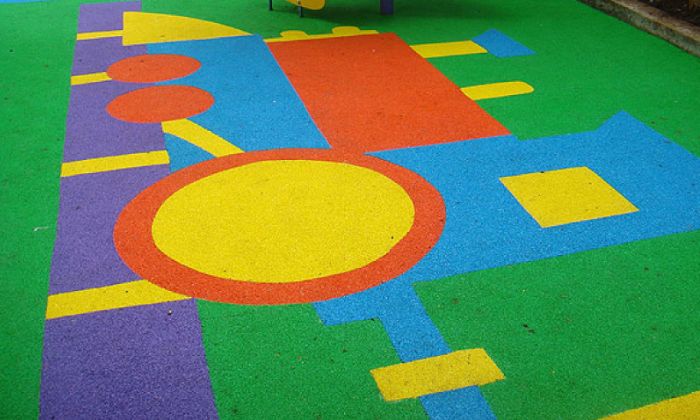
EPDM stands for Ethylene Propylene Diene Monomer, a type of synthetic rubber designed to endure the harshest outdoor conditions. Originally developed for industrial applications, it has quickly become a go-to material for play areas, commercial and residential projects, and floor systems where high durability and impact resistance are essential.
Unlike traditional rubber or concrete, EPDM rubber flooring is engineered with unique polymers that provide shock absorption, water resistance, and incredible flexibility. Whether used as a playground surface, rooftop covering, or sports flooring, it offers a safe, soft, and eco-friendly solution that is as stylish as it is practical.
Weather-Resistance Properties of EPDM Flooring
The secret behind EPDM’s success lies in its ability to withstand sun, storms, and changing climates without cracking, fading, or losing strength. Let’s break down its key weatherproof features.
UV Resistance
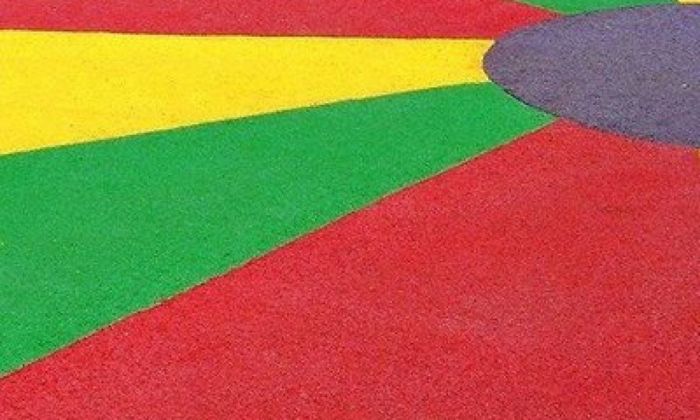
Outdoor flooring is constantly bombarded by UV rays, which can cause discoloration, brittleness, and surface degradation. EPDM’s natural UV resistance protects it from sun damage, allowing it to maintain its vibrant colors and elasticity even in scorching deserts or sunny coastal areas. This makes it ideal for UV resistant outdoor flooring in playgrounds, parks, and pool decks.
Temperature Tolerance
Whether it’s the blazing heat of the Middle East or the icy chills of northern climates, temperature resistant playground surfaces like EPDM perform exceptionally well. Its rubber composition remains flexible in extreme temperatures, resisting cracks in freezing winters and softening or melting in intense heat. This durability ensures long-lasting rubber flooring for all climates.
Moisture & Rain Protection
Rain and humidity can quickly wear down lesser materials, leading to slippery surfaces and structural damage. EPDM is naturally water resistant, meaning it repels moisture instead of absorbing it. This property prevents mold, mildew, and waterlogging, keeping outdoor spaces safe and usable even during heavy downpours.
Snow & Ice Resistance
In regions with freezing winters, EPDM’s elasticity is a game-changer. Its ability to expand and contract without breaking makes it resistant to freeze-thaw cycles that typically cause cracks in concrete or asphalt. Snow can be easily removed, and the flooring remains intact year after year.
Wind & Storm Durability
High winds and powerful storms can wreak havoc on outdoor surfaces. EPDM’s strong adhesion, impact resistance, and dense structure help it stay secure even during severe weather events. When professionally installed, it can withstand gusts and heavy debris without peeling or lifting.
Factors That Enhance EPDM Weather Resistance
While EPDM is naturally weatherproof, certain factors can elevate its performance and lifespan.
Quality of Material: Not all EPDM products are created equal. Premium-grade EPDM uses higher-quality polymers, offering better elasticity and EPDM weatherproof properties.
Thickness and Density: A thicker, denser surface provides stronger shock absorption and increased resistance to tearing or punctures.
Professional Installation: Expert installation ensures tight seams, proper drainage, and maximum adhesion crucial for withstanding storms and heavy rainfall.
Maintenance Practices: Simple upkeep like cleaning debris, checking for damage, and occasional resealing will keep the flooring in peak condition for decades.
Benefits of EPDM Flooring in Different Climates
One of the biggest reasons for EPDM’s popularity is its adaptability across a variety of climates.
Hot Climates (Middle East, Tropical Regions): EPDM’s UV resistant surface reflects sunlight and stays cool underfoot, even when temperatures soar. It won’t fade, crack, or emit harmful fumes in hot weather, making it perfect for playgrounds and rooftop gardens.
Cold Climates (Freeze-Thaw Conditions): Thanks to its flexibility, EPDM can expand and contract during freeze-thaw cycles without damage. Snow and ice can be easily cleared, and its impact resistance protects against slips and falls.
Humid and Rainy Environments: In areas prone to heavy rain or constant humidity, EPDM’s water resistance keeps floors dry and safe. It prevents mold growth and reduces the risk of slips, making it ideal for play areas and sports courts.
Coastal Areas with High Salt Exposure: Salt air can corrode concrete and metal surfaces, but EPDM’s synthetic rubber composition resists salt damage, ensuring long-term durability along oceanfront properties.
Comparing EPDM with Other Outdoor Flooring Materials
How does EPDM stack up against other popular outdoor flooring options?
EPDM vs. Rubber Tiles: While both use rubber, EPDM is a specific type of rubber with superior uv resistance and elasticity. Rubber tiles can shrink or warp over time, whereas EPDM remains stable in extreme temperatures.
EPDM vs. Artificial Turf: Turf may look green and lush, but it traps heat and requires constant upkeep. EPDM offers a cooler surface with lower maintenance and better EPDM rubber flooring durability.
EPDM vs. Concrete or Asphalt: Hard surfaces like concrete are prone to cracking in freeze-thaw cycles and can become dangerously slippery when wet. EPDM’s shock absorption and water resistance make it safer and longer-lasting.
When comparing key weather-resistance differences, EPDM consistently wins for long-lasting rubber flooring for all climates.
Maintenance Tips to Maximize Weather Resistance
To get the most from your EPDM surface, follow a few simple maintenance steps:
- Sweep away debris to prevent buildup.
- Rinse with mild soap and water to remove dirt and salt.
- Inspect for tears or punctures and repair promptly.
- Reseal joints or seams when necessary to maintain waterproofing.
These small efforts extend the cost effective lifespan of EPDM, ensuring decades of reliable performance.
Common Myths About EPDM Weather Resistance
Despite its proven track record, a few misconceptions persist:
Myth 1: EPDM melts in extreme heat.
Reality: EPDM is engineered for extreme temperatures and remains stable even in desert conditions.
Myth 2: EPDM fades quickly under UV rays.
Reality: Its built-in UV resistance protects color and texture for years.
Myth 3: EPDM requires constant maintenance.
Reality: Simple cleaning is all that’s needed to preserve its high durability and weatherproof properties.
Cost and Lifespan Considerations
One of the biggest advantages of EPDM is its cost effective long-term value. While the upfront investment may be slightly higher than basic rubber or turf, its long-lasting rubber flooring capabilities mean fewer repairs and replacements over time. When properly installed and maintained, EPDM can last 20–30 years, making it one of the most economical choices for commercial and residential projects.
Conclusion
From blistering summers to icy winters, EPDM flooring stands strong as one of the most weather-resistant outdoor surfaces available today. Its natural UV resistance, water resistance, and ability to handle extreme temperatures make it a smart investment for play areas, sports courts, rooftops, and other outdoor spaces. Whether you’re designing a backyard playground, a commercial rooftop terrace, or a residential patio, EPDM offers the perfect balance of beauty, safety, and durability.
If you’re looking for a cost effective, eco-friendly solution that delivers high durability and long-term performance, it’s time to choose EPDM flooring a surface built to outlast the weather and outshine the competition.