
Creating your own fitness space at home is exciting but it can also feel overwhelming when you look at the prices of brand-new machines. That’s where Second-Hand Gym Equipment steps in as a game-changer. Whether you’re setting up a compact home gym or expanding a professional studio, pre-owned exercise equipment can give you the same high-quality workout experience without draining your bank account.
But here’s the catch: buying used fitness machines is not just about grabbing the cheapest treadmill or elliptical you find online. It’s about making a smart, informed choice that ensures safety, durability, and true value for money. The wrong purchase could lead to hidden repair costs, equipment that breaks down after a few weeks, or even safety hazards.
This guide walks you through the benefits of buying second-hand gym equipment, the key things you must check before making a purchase, and the pitfalls to avoid. Let’s dive in.
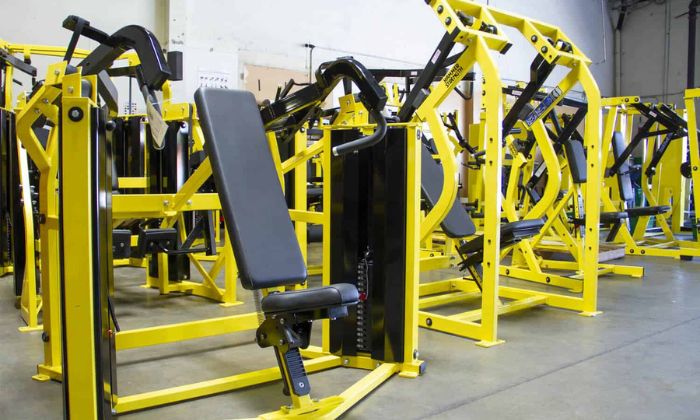
Benefits of Buying Second-Hand Gym Equipment
When most people think of pre-owned exercise equipment, they imagine outdated, squeaky machines collecting dust in a garage. The reality is very different. With the right approach, buying refurbished gym gear can be one of the smartest investments for your fitness journey.
Cost Savings
Let’s be honest: fitness equipment is expensive. A new treadmill, rowing machine, or multi-gym station can cost thousands of dollars. Opting for affordable home gym equipment in the second-hand market can slash those costs by 40–70%. That means you can build a fully functional home gym at a fraction of the price of buying new.
Think about it, you can own a set of dumbbells, resistance machines, and even a commercial-grade bike for the same price as just one new elliptical. That’s financial freedom without compromising on fitness.
Access to High-Quality Brands
When you buy used fitness machines, you’re not limited to generic brands. You can access top-tier gym names like Life Fitness, Precor, or Technogym brands that are built to last at a much lower price point. Buying new might restrict you to budget options, but going second-hand opens the door to premium quality gear that was designed for heavy use in gyms.
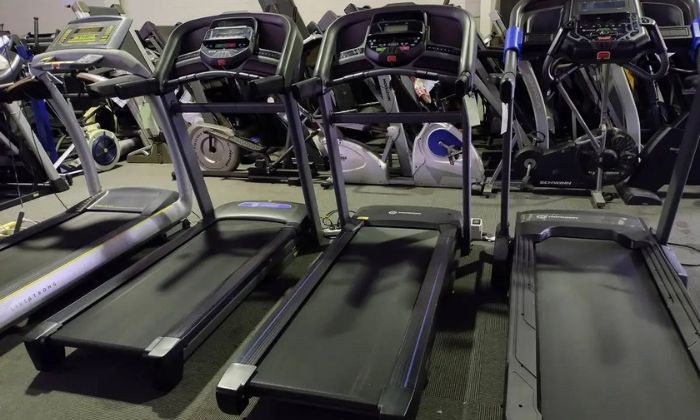
Eco-Friendly and Sustainable Option
Buying pre-owned exercise equipment isn’t just good for your wallet, it’s also good for the planet. Every time you buy second-hand, you’re reducing waste, cutting down on manufacturing demand, and contributing to sustainability. Instead of letting machines end up in landfills, you’re giving them a second life.
It’s a win-win: you get stronger while helping the environment breathe a little easier.
Key Things to Check Before Buying
The excitement of finding a bargain can cloud judgment. That’s why you need a checklist before saying yes to any deal. Let’s break down the most crucial things to evaluate when inspecting second-hand workout machines.
Physical Condition and Wear & Tear
Always check wear and tear carefully. Scratches on the frame may not matter much, but cracks, rust, or bent components could compromise the machine’s safety. Look for signs of excessive use like loose bolts, frayed cables, or worn-out padding. If the machine looks like it’s been neglected, chances are it won’t last long.
Functionality Test
Never buy without trying. Always test equipment functionality before purchase. Switch on the treadmill, check the incline, and test the belt for smooth running. Try resistance settings on bikes or ellipticals and make sure the quality of resistance levels feels consistent. If something feels “off,” trust your instincts there may be hidden issues.
Brand Reputation and Model Quality
Don’t just buy the first machine that looks good. Always check brand reputation and research the specific model. Some brands and models are known for durability, while others may be prone to mechanical issues. A quick online search will tell you whether the model has a strong equipment lifespan or common complaints.
Safety Inspection
Your health is on the line. Perform a safety inspection before purchase. Check for wobbling parts, faulty wiring, or sharp edges. If the equipment doesn’t feel secure during use, it’s not worth the risk even if it’s cheap. Remember, one wrong move on a faulty machine could lead to serious injury.
Maintenance History
Just like buying a car, knowing the maintenance history of second-hand gym equipment is crucial. Has it been serviced regularly? Were parts replaced by a professional? Machines that have been cared for will last much longer than those that were left in storage without upkeep.
Warranty or Return Policy
Even the best-looking equipment can surprise you with hidden issues after a few weeks. Always ask about a warranty or return policy. Some sellers, especially refurbished gym gear companies, provide limited warranties. Having this backup can save you from hidden repair costs down the line.
Conclusion
Buying Second-Hand Gym Equipment can be one of the best decisions for your fitness journey. It allows you to save money, enjoy premium-quality machines, and contribute to a sustainable lifestyle. But to make it truly worth it, you must do your homework.
Remember to check wear and tear, perform a safety inspection before purchase, and always test equipment functionality. Don’t overlook maintenance history, and make sure there’s at least a warranty or return policy for peace of mind. Most importantly, keep an eye out for hidden repair costs that could eat into your savings.