
Installing a fence might seem like a simple weekend project, but mistakes to avoid when installing a fence are more common than you might think—and they can cost you time, money, and even legal trouble. Whether you’re tackling a DIY job or hiring a contractor, knowing the pitfalls ahead of time is essential to building a fence that’s stable, attractive, and long-lasting.
In this guide, we’ll explore the most common fence installation mistakes, from ignoring local codes to poor planning for slope. Let’s dive in so you can steer clear of costly DIY fencing problems and get your fence right the first time.
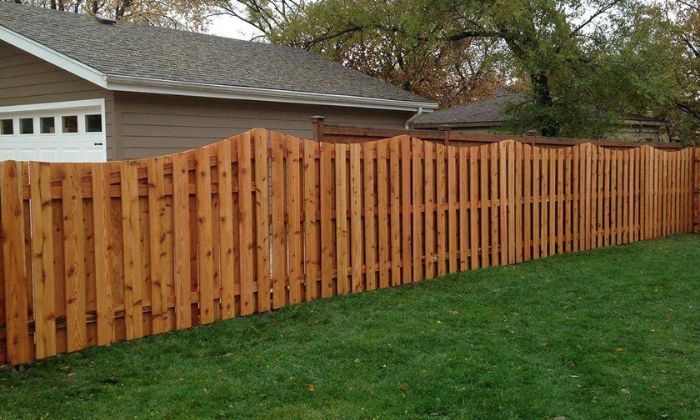
Fence Installation Mistakes You Should Avoid
Not Checking Property Lines Before Installation
One of the most critical fence planning mistakes is skipping the property line check. Installing a fence even a few inches over your boundary can lead to disputes with neighbors and potentially legal action.
Skipping property line check not only risks having to tear down the fence but could also impact your home’s resale value. Always consult your property survey or hire a professional surveyor to confirm boundaries before any digging begins.
Ignoring Local Building Codes and Permits
Ignoring local zoning laws and building codes is a recipe for trouble. Most municipalities require a permit for residential fencing. Regulations may dictate fence height, style, material, and placement.
Lack of permits can result in hefty fines or forced removal of the fence. Contact your city or local zoning department to understand requirements before beginning your project.
Choosing the Wrong Fence Materials
Your choice of fencing material plays a huge role in both appearance and durability. Many homeowners fall into the trap of poor material selection, opting for the cheapest option rather than what’s best for their location and needs.
For example, wood may look appealing but requires regular maintenance to prevent fence rot and maintenance issues. Meanwhile, metal fencing might not suit areas near saltwater due to corrosion. Consider weather conditions, maintenance, privacy, and budget before choosing.
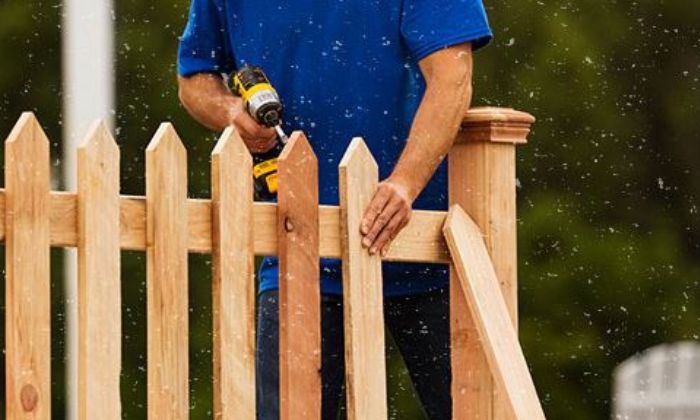
Poor Fence Post Installation
Improper fence post placement is one of the leading causes of fence stability problems. If posts aren’t deep enough or anchored properly, your fence could lean, wobble, or fall over entirely.
Incorrect post depth or improper anchoring in concrete can weaken the structure—especially in areas with heavy winds or soft soil. Posts should be buried at least one-third of their length, and concrete should be used for added strength. Don’t forget to consider soil type considerations too—sandy or clay-heavy soils may need additional support.
Failing to Plan for Slope or Uneven Ground
A fence that works well on flat land may look odd or unstable on sloped terrain. Not accounting for slope can lead to uneven fence height, gaps under the panels, or structural issues.
There are two common approaches for fencing on uneven ground: racking (following the slope) and stepping (creating staggered levels). Choose the method that works best for your yard and plan accordingly before installation.

Incorrect Post Spacing
Post spacing errors can jeopardize the integrity of your fence. Too much distance between posts leads to sagging, while spacing them too close increases costs unnecessarily.
The correct spacing depends on the type of fence and material used—typically between 6 to 8 feet for wood fences. Take time to measure carefully, and remember that consistent spacing is vital to avoid fence alignment issues.
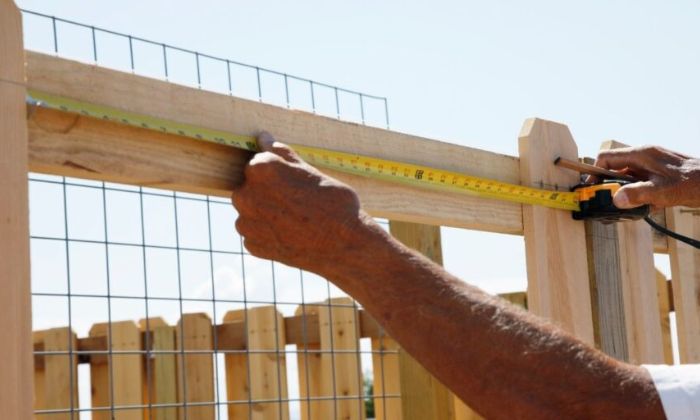
Overlooking Gate Placement and Support
Your gate is one of the most used parts of your fence, yet it’s often an afterthought. Poor planning here leads to inadequate gate support, sagging, or even full-on failure.
Make sure your gate has solid posts, proper hinges, and reinforced framing to handle daily use. Double-check that the gate opens and closes smoothly and aligns with the rest of your fence. Poor placement can also result in accessibility issues or awkward angles.
Underestimating Maintenance Requirements
Every fence material, from vinyl to wrought iron, has its own upkeep needs. Fence rot and maintenance issues crop up when homeowners fail to plan for long-term care.
Wood requires regular sealing or staining. Metal may need rust prevention. Vinyl can fade or crack under UV exposure. Don’t ignore these maintenance needs—factor them into your material choice and budget.
Ignoring Aesthetic and Neighbor Considerations
Don’t forget about the visual impact of your fence—both for you and your neighbors. Fence alignment issues, mismatched styles, or clashing colors can become sore spots.
If your fence borders a neighbor’s yard, consider discussing your plans with them ahead of time. This avoids disputes and shows goodwill. Some areas even have “good neighbor” rules requiring shared responsibility and aesthetics.
Hiring Unqualified or Inexperienced Contractors
One of the worst installation mistakes you can make is hiring someone without the right experience. Hiring unqualified contractors often leads to weak fence foundations, sloppy work, and ongoing issues that cost more to fix.
Always research thoroughly—check reviews, verify licenses, and ask for examples of previous work. If a quote sounds too good to be true, it probably is.
Bonus Tips: Avoid These Overlooked Mistakes
Overlooking Drainage
Neglecting drainage around fence posts can lead to serious damage over time. When water pools at the base of the posts, it can cause wooden posts to rot and metal ones to rust, weakening the entire structure. This not only shortens the lifespan of the fence but also affects its overall stability and safety. Proper planning for water runoff is essential to prevent such issues. By ensuring water drains away from the posts, you protect your investment and avoid costly repairs. Always include effective drainage solutions when installing or maintaining a fence to keep it strong and secure for years.
Using Low-Quality Hardware
Using low-quality hardware for your fence might seem cost-effective at first, but it often leads to problems down the line. Cheap screws, brackets, and hinges can rust, break, or loosen quickly, compromising the fence’s stability and appearance. This results in frequent maintenance, costly repairs, or even complete replacement much sooner than expected. On the other hand, investing in high-quality, durable hardware ensures long-term reliability and performance. It keeps your fence strong, secure, and looking good for years. In short, cutting corners on materials now can cost you more in the future—quality hardware is always a smart investment.
Misjudging Fence Height Requirements
Misjudging fence height requirements can lead to legal issues, fines, or even the need to remove and rebuild your fence. Local regulations often set maximum height limits, especially for front and backyard fences. Exceeding these limits without the proper permits can result in code violations. Additionally, taller fences may need structural support to remain safe and stable. Failing to account for this can compromise durability and safety. On the other hand, building too short may reduce privacy and security. Always check with your local zoning office or homeowners association to ensure your fence complies with height regulations before installation.
Installation Without Planning
Installation without planning is a frequent mistake in DIY projects. When you start without a clear plan, you risk making errors, skipping important steps, and wasting materials. Rushing in can lead to confusion and frustration, causing delays or poor results. To avoid this, it’s essential to carefully map out every detail beforehand — from the layout and measurements to the tools and materials required. Proper planning ensures a smoother process, saves time and money, and results in a successful, high-quality installation. Taking this step seriously makes all the difference in achieving your project goals efficiently.
Conclusion
Installing a fence is more than just digging holes and hammering boards—it’s about smart planning and avoiding the many potential pitfalls along the way. From fence alignment issues and improper fence post placement to fence planning mistakes and poor material selection, there’s plenty that can go wrong.
Whether you’re building it yourself or hiring a pro, understanding the mistakes to avoid when installing a fence will save you headaches in the long run. Always take time to research, plan, and invest in quality materials and workmanship.
A well-installed fence offers not only security and privacy but also boosts curb appeal and property value. Avoid the errors outlined here, and you’ll enjoy a fence that stands tall and strong for years to come.
FAQs
How close to the property line can I build a fence?
This varies by location. Some areas require fences to be set back a few inches to a few feet from the property line. It’s essential to confirm boundaries and zoning laws to avoid disputes with neighbors.
What’s the best material for a low-maintenance fence?
Vinyl and aluminum fences are popular low-maintenance options. They don’t rot, rust, or require painting, making them ideal for homeowners seeking long-term durability with minimal upkeep.
How deep should fence posts be installed?
A general rule is to bury one-third of the post’s height. For example, a 6-foot fence should have posts buried at least 2 feet deep, ideally set in concrete for stability.
Can I install a fence on a slope?
es. You can use the stepped method (level sections that step down) or the racked method (panels that follow the slope). The right method depends on the grade and fence style.
How do I choose the right fence for my needs?
Consider your primary purpose: privacy, security, aesthetics, or pet containment. Then match that need with the right material, height, and style. Consulting with a professional can also help.