
Outdoor playgrounds are more than just places for fun; they’re environments that help children grow, learn, and stay healthy. At the heart of every safe and engaging play area lies a critical but often overlooked component: Outdoor Playground Flooring. The right flooring can dramatically transform how children interact with a space, encouraging more movement, enhancing safety, and ensuring inclusivity for all. From minimizing injuries to supporting free and confident movement, flooring solutions do much more than just cover the ground; they elevate the entire play experience.
Let’s dive into how outdoor playground flooring plays a vital role in promoting physical activity and play, and what types of flooring are best suited for energetic, curious, and adventurous children.
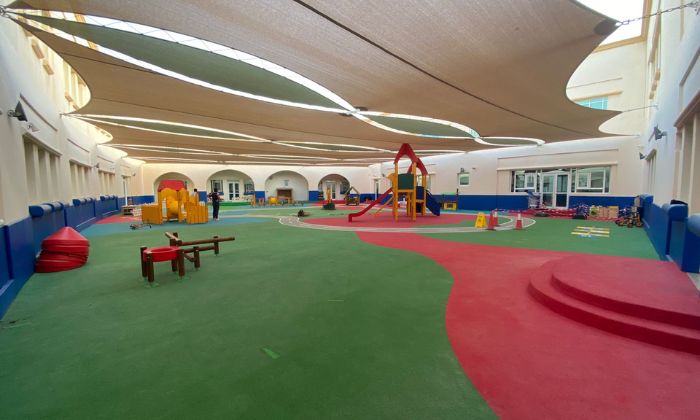
The Connection Between Flooring and Physical Activity
Physical activity is essential for children’s development. It boosts their motor skills, strengthens muscles and bones, and helps with mental well-being. But would you believe that something as simple as flooring can either support or discourage this movement?
Impact-absorbing surfaces such as rubber floors or engineered wood fiber (EWF) reduce the fear of falling and injury. When kids feel safe, they move more freely. A well-designed playground surface encourages running, jumping, climbing, and balancing without hesitation. That freedom directly promotes being physically active, giving children the confidence to explore their environment.
Poor flooring, on the other hand such as uneven, hard, or slippery surfaces can create barriers to movement. Parents might become hesitant, and children might feel limited. A thoughtfully chosen, slip-resistant and child-friendly outdoor flooring can therefore open up a world of movement and joy.
Types of Outdoor Playground Flooring
Choosing the right flooring options means balancing safety, usability, maintenance, and aesthetics. Here are some of the most effective and popular materials used in modern playgrounds:
Rubber Tiles and Poured-In-Place Rubber
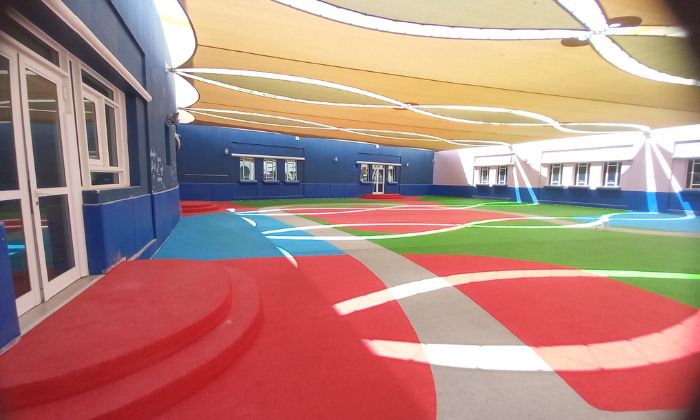
Rubber is the gold standard in many playgrounds for a reason. Rubber tiles and poured-in-place rubber offer excellent impact attenuation, meaning they significantly reduce the force of a fall. They are soft underfoot, available in bright colors, and extremely easy to maintain.
Poured-in-place rubber creates a seamless surface that meets playground safety standards and prevents tripping. It’s especially great for areas with playground equipment that require consistent surface height and shock absorption.
Rubber floors also come with the added benefit of being slip-resistant, making them ideal for all weather conditions.
Engineered Wood Fiber (EWF)
This natural-looking playground flooring is made from wood chips or shredded wood. It’s a cost-effective solution and provides good shock absorption when maintained at the correct depth.
EWF is eco-friendly and blends well with outdoor environments, giving the play area a more organic feel. However, it does require regular raking and topping off to maintain its safety surfacing effectiveness.
Artificial Turf
For those looking for a grassy aesthetic without the maintenance of real grass, artificial grass or turf is an excellent option. Combined with an impact absorbing underlayer, it can be both beautiful and functional.
It mimics natural grass while being durable and easy to maintain. It’s also slip-resistant, making it safe for running and rolling. Best of all, it avoids mud, bugs, and the wear-and-tear issues of real lawns.
Sand and Gravel
Traditional materials like sand and pea gravel still have their place in modern playgrounds. They are affordable and provide decent shock absorption, especially under equipment like swings and slides.
However, these materials can scatter easily and may not be suitable for children with mobility challenges. Maintenance is more intensive, and they don’t always meet the highest safety standards unless installed and maintained correctly.
Safety and Injury Prevention
Every parent’s worst fear at the playground is injury. That’s why playground safety standards exist to minimize the risk. But meeting those standards starts with choosing the right playground tile or surfacing material.
The best outdoor playground flooring options are designed with impact-absorbing surfaces to cushion falls. Whether it’s rubber mulch, tiles, or EWF, these materials reduce injury risks from head-impact falls or scrapes from rough landings.
Proper impact attenuation, the ability of a surface to absorb shock is the difference between a serious injury and a minor bump. Ensuring the flooring meets or exceeds guidelines from authorities like ASTM or CPSC isn’t just good practice, it’s essential.
Additionally, flooring must be slip resistant to prevent injuries before a fall even happens, especially during rainy or wet days.
Encouraging Inclusive and Accessible Play
Modern playgrounds should be for everyone, regardless of ability. Flooring plays a major role in making playgrounds inclusive and accessible.
Smooth, stable surfaces like poured rubber or tiles provide access for children who use wheelchairs or walkers. Loose materials like sand or gravel can hinder mobility and exclude children from full participation.
Accessible flooring solutions don’t just follow the Americans with Disabilities Act (ADA) ; they embody a belief that young children of all abilities deserve joyful, safe spaces to grow and play.
Inclusive surfaces help foster social interaction and community, encouraging children of all backgrounds and abilities to play together. It’s not just about compliance—it’s about connection.
Enhancing Comfort and Usability
Have you ever walked barefoot on hot pavement or sharp stones? Uncomfortable surfaces can make even the best playground unbearable.
High-quality child-friendly outdoor flooring like rubber or turf offers thermal comfort and soft texture. It also drains well after rain, meaning fewer puddles and mud pits.
Comfortable, well-designed flooring improves the usability of a space, extending playtime and reducing interruptions. Parents and caregivers also benefit from walkable, stable, and clean surfaces that make supervision easier.
Durability and Maintenance
Outdoor environments can be harsh sunlight, rain, snow, and heavy foot traffic take a toll. So how do you make sure your playground flooring investment lasts?
Materials like rubber tiles, artificial turf, and poured-in-place surfaces are known for their durability. They resist fading, cracking, and weather damage. And better yet, they’re easy to maintain.
Loose materials like sand or EWF require more attention raking, leveling, and periodic replacement. While they may be more affordable upfront, the long-term labor and cost can add up.
Choosing flooring solutions that are both durable and low-maintenance means more time for fun and less time for repairs.
Conclusion
Outdoor Playground Flooring is much more than a foundation; it’s a key contributor to a child’s physical development, safety, comfort, and joy. The right flooring options turn a simple space into a vibrant, secure, and inclusive play area where children can thrive.
From rubber floors that cushion every leap, to artificial grass that looks lush year-round, and even to eco-friendly wood chips that blend with nature, every material tells a story of care, thought, and purpose.
In a world where technology often keeps children indoors, creating inviting and safe outdoor spaces is more important than ever. By investing in high-quality, impact absorbing, and slip-resistant playground materials, you’re not just protecting children from injury, you’re encouraging adventure, laughter, and movement.