
Creating the perfect indoor play environment can be both exciting and overwhelming especially when you’re faced with two popular yet very different options: soft play and modular indoor play equipment. Whether you’re a parent setting up a home play area or a business owner launching an indoor playground, choosing the right type of play structure is critical to your success. This detailed guide will walk you through everything you need to know in the soft play vs. modular indoor play equipment debate to help you make an informed, confident choice.
What is Soft Play Equipment?
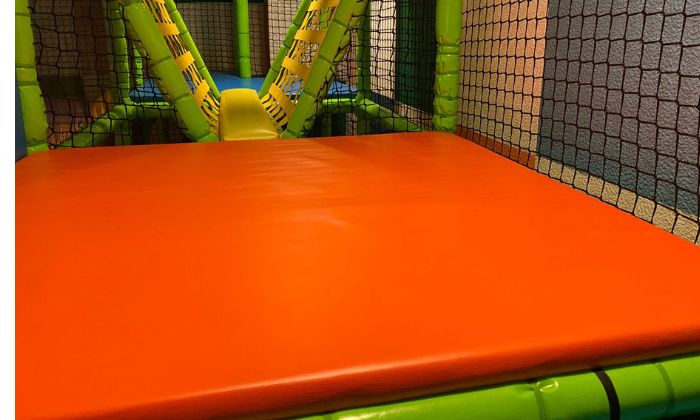
Soft play equipment refers to padded structures and play areas designed with children’s safety and imaginative play in mind. These are typically made of high-density foam covered in vinyl or PVC and crafted into fun shapes such as animals, tunnels, climbing blocks, slides, or ball pits.
These environments are ideal for toddlers and young children who need safe spaces to crawl, climb, explore, and burn off energy without the risk of hard surfaces or sharp edges. A soft play area not only encourages children to move but also fosters social interaction, balance, and coordination in a playful, low-risk environment.
What is Modular Indoor Play Equipment?
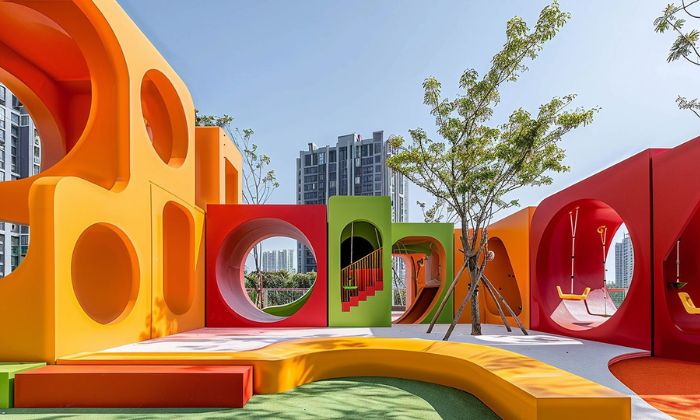
In contrast, modular indoor play equipment consists of customizable, interlocking structures that can be tailored to specific spaces and needs. Think of modular playgrounds as giant, colorful puzzle pieces forming towers, bridges, slides, tunnels, and climbing nets all built to meet indoor playground equipment standards.
Modular systems are typically made from high-quality plastic or steel components and are suitable for a broader age range. These playgrounds cater to children who are more physically active and crave adventure, offering more complexity and height than soft play areas. The modular design ensures that parts can be rearranged or expanded, which is especially useful for businesses and schools with evolving needs.
Key Differences Between Soft Play and Modular Play Equipment
Although both types of play equipment serve to engage and delight children, there are clear distinctions that affect safety, functionality, and cost. Understanding these differences is essential when deciding what will work best for your indoor space.
Material and Safety Features
Soft play structures prioritize safety above all. With foam padding, smooth finishes, and rounded edges, these environments significantly reduce the chances of injury, making them perfect for younger children still developing motor skills. The padded surfaces absorb impact, and the materials used often meet the highest safety standards.
Modular indoor play equipment, on the other hand, is made of durable plastic, wood, and metal components. While still designed with health and safety in mind, these structures are more rigid and thus better suited for older children who can navigate climbing towers, swings, and obstacle courses with greater balance and confidence.
Both types are designed to meet stringent indoor playgrounds regulations, but soft play is especially ideal in settings where frequent falls and slips are expected.
Age Appropriateness
Soft play areas are generally targeted toward infants, toddlers, and preschoolers. Because the equipment is low to the ground and soft, it encourages safe, exploratory play for very young users.
Modular playgrounds appeal to a broader age range from preschoolers to older children aged 10 or even 12 depending on the play structure and activity design. The more complex features and height provide opportunities for physically challenging activities, imaginative adventures, and social interaction among peers.
Customization Options
Customizable indoor play solutions are essential when working within limited space or specific branding. Both systems can be customized, but modular systems shine in this department. With a wide array of interchangeable parts, colors, and themed panels, modular play equipment offers more flexibility to evolve your playground as your business or user needs grow.
Soft play equipment can also be customized with logos, themes, and color schemes. However, since these items are often pre-molded, customization may be somewhat more limited than with modular systems.
Space Requirements
Soft play areas are excellent for small, contained spaces ideal for daycares, preschools, or even home use. Their compact footprint and lightweight materials make them easy to relocate and reconfigure.
Modular playgrounds, however, need more vertical and horizontal space. Ceiling height is a big factor, as many structures reach upwards to create multiple levels. Businesses like indoor play centers or shopping malls with large, open spaces are best suited for modular playground installations.
Installation and Maintenance
Soft play equipment is easier to install. Most pieces are lightweight and don’t require complicated assembly. Maintenance is also simple, just regular cleaning to keep vinyl surfaces hygienic and safe.
Modular systems, in contrast, may require professional installation due to their size, complexity, and anchoring needs. Maintenance involves checking for wear and tear, securing bolts, cleaning surfaces, and ensuring all parts meet safety standards over time.
Durability and Longevity
When it comes to standing up to constant use, modular indoor play equipment wins. Made from high-quality, weather-resistant materials, these systems can endure thousands of playful footsteps and years of indoor excitement with minimal damage.
Soft play, while durable in its own right, is more susceptible to wear and tear. The foam interiors may lose firmness over time, and the vinyl covers can be damaged by sharp objects or rough handling. However, regular upkeep can extend the life of these systems considerably.
Pros and Cons of Soft Play Equipment
Pros
- Ideal for infants and toddlers
- Extremely safe and low to the ground
- Easy to move and rearrange
- Lower upfront cost
- Promotes imaginative play in a calm setting
Cons
- Limited appeal to older children
- Prone to wear and tear
- Limited expandability
- Can become repetitive for children who outgrow the format
Pros and Cons of Modular Indoor Play Equipment
Pros
- Appeals to a wider age range
- Highly customizable and expandable
- Visually impressive and engaging
- Long-lasting and durable
- Suitable for commercial indoor playgrounds
Cons
- Higher initial investment
- Requires more space and ceiling height
- More involved installation
- Maintenance can be more demanding
Factors to Consider When Choosing
Making the right decision goes beyond just looks. Let’s dive into the most important aspects to weigh when choosing between soft play vs. modular indoor play equipment:
Age Group of Users
Soft play is ideal for children under five, offering safety and sensory stimulation. For kids aged five and above, modular play systems provide more challenging, engaging, and age-appropriate activities that support their physical and cognitive development. Choosing based on age ensures the play environment is both fun and beneficial for your target user group.
Available Space and Ceiling Height
Soft play is ideal for small spaces with low ceilings due to its compact, cushioned design. For larger areas with higher ceilings, modular playgrounds are better suited as they maximize space and provide a wider range of engaging activities for kids. Choose based on your room dimensions to ensure safety and optimal play value.
Budget and Maintenance Capacity
Soft play is cheaper initially and requires minimal upkeep, making it ideal for smaller budgets. In contrast, modular systems cost more and need regular maintenance, but they deliver better long-term value and durability if you can manage ongoing care. Choose based on your available budget and ability to maintain the equipment over time.
Long-Term Goals
For long-term goals, modular indoor play systems are ideal for growing businesses like playgrounds or childcare centers, offering flexibility and expansion. Soft play equipment, on the other hand, suits home or smaller setups due to its simplicity and practicality. Choose based on your space, budget, and future growth plans.
Conclusion
In the end, the choice between soft play vs. modular indoor play equipment comes down to your unique needs, space constraints, user age group, and long-term vision. Soft play offers unmatched safety and simplicity for the youngest explorers, while modular systems provide excitement, challenge, and longevity for more adventurous users.
No matter which you choose, remember that well-designed indoor play equipment doesn’t just entertain, it inspires, educates, and supports child development in ways that leave lasting impacts. So take the leap, invest wisely, and create a children’s play environment that brings joy, energy, and growth to every little adventurer who enters.