
A Garden Bench is more than just a place to sit; it’s an invitation to slow down, relax, and enjoy your outdoor space. Whether you dream of sipping your morning coffee among blooming flowers, creating an outdoor living room for friends and family, or simply adding a decorative touch to your patio furniture, the right bench can transform your garden into a welcoming haven. But with so many options, how do you choose one that offers both comfort and style while withstanding the elements?
This guide will help you pick the perfect bench by exploring materials, comfort features, design styles, and practical tips for long-lasting beauty.
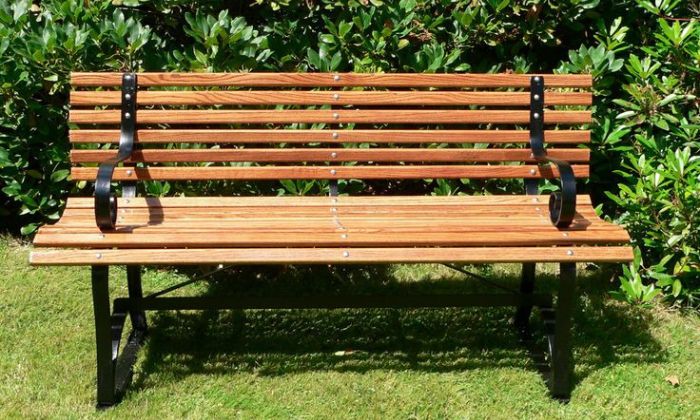
Understanding Your Needs
Before browsing through endless outdoor seating ideas, take a moment to think about your lifestyle and space.
- Purpose: Is your bench for quiet reading, outdoor dining, or as part of a larger seating area?
- Location: Will it be placed under a tree, beside a water feature, or on a sunny patio?
- Usage: Will it be used daily, or is it for special occasions?
For instance, if you want a comfortable seat to enjoy morning tea with a side table for snacks, you’ll need something different from a decorative outdoor seating option that serves mainly as a visual accent. Understanding your needs first ensures your garden furniture complements both your lifestyle and outdoor living spaces.
Choosing the Right Material
When it comes to patio and backyard furniture, material choice determines everything from style and comfort to durability and maintenance. Let’s explore the most popular types.
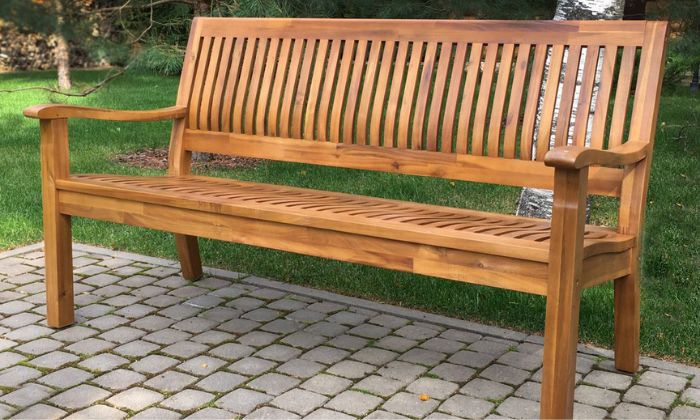
Wooden Garden Benches
Timeless, warm, and naturally beautiful, wooden benches bring a classic charm to outdoor living rooms. Teak, cedar, and eucalyptus are popular because they are naturally weather-resistant and can withstand the elements.
- Pros: Stylish, comfortable, and ages gracefully.
- Cons: Requires periodic oiling or sealing to maintain appearance.
A wooden bench surrounded by potted plants can create an outdoor oasis that feels both rustic and luxurious.
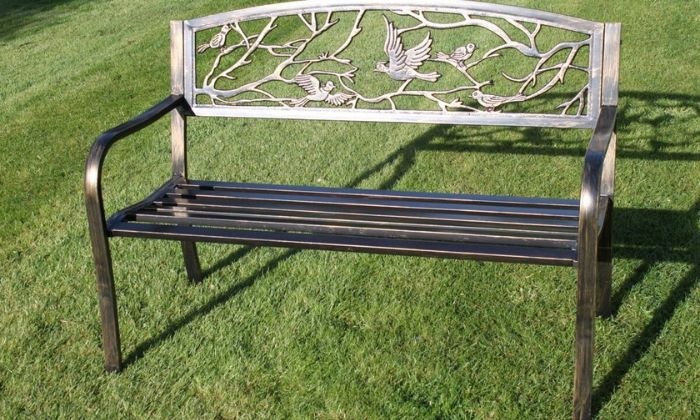
Metal Garden Benches
Elegant and durable, metal benches especially wrought iron or aluminum are perfect for decorative outdoor seating options. Powder-coated aluminum is lightweight and rust-resistant, making it ideal for outdoor seating areas that face heavy rain or humidity.
- Pros: Long-lasting, sturdy, and available in intricate designs.
- Cons: Can heat up in the sun and feel cold in winter without cushions.
Pairing a metal bench with outdoor sofas and dining tables can create an outdoor dining experience that feels cohesive and stylish.
Plastic/Resin Benches
For those seeking low-maintenance garden furniture at an affordable price, plastic or resin benches are practical. They mimic wood or metal finishes while being lightweight and easy to move.
- Pros: Affordable, weather-resistant, easy to clean.
- Cons: Less durable over the long term compared to wood or metal.
Plastic benches work well in outdoor living spaces where you want flexibility and easy repositioning for seasonal décor changes.
Stone or Concrete Benches
If you’re looking for a high quality bench that becomes a permanent part of your landscape, stone or concrete is unmatched in durability.
- Pros: Extremely sturdy, weatherproof, and can be sculpted into stunning designs.
- Cons: Heavy, expensive, and not as comfortable without cushions.
They’re ideal for formal gardens or seating areas that serve as focal points, often paired with potted plants or fountains.
Comfort Considerations
A bench should offer more than just a place to rest; it should encourage you to linger. Ergonomic bench design plays a key role here. Look for:
- Contoured seats that support natural posture.
- Armrests for additional comfort.
- Cushions with weather-resistant fabric for added coziness.
If your bench doubles as part of an outdoor dining setup with bistro sets or dining tables, consider a seat height that aligns comfortably with the table surface.
Style and Aesthetics
Your garden bench should reflect your personal style while blending seamlessly with your outdoor furniture. Rustic wooden designs work well in country gardens, while sleek metal options suit modern patios. For vibrant outdoor living rooms, consider bright cushions or painted finishes to create an outdoor seating area full of personality.
Mixing and matching materials can also add depth: imagine a teak seat with wrought iron legs beside a side table for a charming, eclectic look.
Durability and Weather Resistance
Even the most beautiful bench won’t be worth much if it can’t withstand the elements. Choose materials and finishes that are weather-resistant, especially if your bench will be exposed year-round. Teak wood, powder-coated metals, and high-density polyethylene (HDPE) resin are excellent choices.
Adding protective covers when not in use can extend the lifespan of your bench, particularly in rainy or extremely sunny climates.
Budget and Value for Money
Your budget should guide your choice without sacrificing quality. While it’s tempting to go for the cheapest option, investing in a high quality bench often pays off in comfort, durability, and style.
Think of your garden bench as part of your overall outdoor living spaces investment similar to buying dining sets or outdoor sofas. A well-made bench can last decades with proper care.
Placement and Installation Tips
Where you place your bench can make all the difference. Consider:
- Sunlight vs. shade: A sunny spot may be perfect in spring but uncomfortable in summer.
- Views: Position the bench to face your best landscaping, potted plants, or water features.
- Flow: Ensure the bench doesn’t obstruct pathways or outdoor seating areas.
Adding a bench as part of your patio furniture layout can help create an outdoor space that feels inviting and functional.
Maintenance and Care
A little care goes a long way in preserving your bench’s beauty and comfort.
Seasonal Cleaning
Seasonal cleaning keeps your bench looking fresh and lasting longer. Regularly wipe away dirt, dust, and pollen to maintain its appearance. Before winter, give it a deep clean and, if necessary, apply protective treatments like sealants or covers. This helps prevent weather damage, ensuring durability and preserving its beauty year after year.
Repairing Minor Damages
To extend a bench’s lifespan, repair minor damages promptly. For wood, sand scratches and reapply oil; for metal, repaint chipped areas to prevent rust. Clean plastic benches thoroughly and apply UV-protectant spray to restore appearance. Regular maintenance keeps all bench types durable, attractive, and ready for long-term use in outdoor spaces.
Storing Cushions
Store outdoor cushions indoors or in waterproof containers during bad weather to protect them from mold, moisture, and fading. Proper storage preserves their comfort, color, and overall quality, ensuring your seating remains fresh, inviting, and long-lasting season after season, while reducing the need for frequent replacements or repairs.
Conclusion
Choosing the perfect Garden Bench is about balancing comfort, style, and practicality. By understanding your needs, selecting the right material, and ensuring durability against the elements, you’ll create an outdoor seating area that enhances your lifestyle and beautifies your space. Whether it’s part of a cozy outdoor living room, paired with bistro sets for casual meals, or placed under a shady tree for quiet reflection, the right bench will become a cherished part of your garden for years to come.
So, invest in a high quality bench, take care of it, and watch how it transforms your outdoor living spaces into the sanctuary you’ve always dreamed of because nothing says “welcome” quite like a Garden Bench.