
When it comes to setting up a home gym or even a professional workout space, the flooring you choose is often the last thing on your mind. Yet, the truth is, flooring is the silent partner in every rep, stretch, and lift you perform. The debate of Rubber vs. Foam Gym Flooring is one that nearly every fitness enthusiast encounters, and making the right decision can transform not just your gym, but also your overall workout experience.
Whether you’re powering through high-intensity workouts, focusing on yoga and stretching, or just trying to protect your floors from dropped weights, your flooring is what makes your workout safe, effective, and enjoyable. Let’s dive deep into what makes gym flooring matter and which type of flooring material rubber or foam truly fits your lifestyle.
Why Flooring Matters in a Workout Space
Your gym floor is more than a surface, it’s the foundation of safety, performance, and comfort. Ignoring it can lead to injuries, damaged equipment, and even unnecessary noise that disrupts your home.
Injury Prevention and Safety
A safe workout space reduces the risk of injuries by providing slip resistance, cushioning, and stability. Flooring solutions that can absorb shock also protect your joints during intense workouts, preventing long-term wear and tear on your body.
Noise Reduction and Shock Absorption
Imagine dropping a heavy dumbbell on bare tiles or wooden floors; the sound alone can be unbearable. With proper flooring, you reduce noise, making your workouts more enjoyable and less disturbing for others in your home. Plus, shock absorption gym floors are essential for protecting both you and your equipment from the harsh impact of dropped weights.
Protecting Floors and Gym Equipment
Gym equipment isn’t cheap, and neither is replacing damaged home flooring. Using the right gym flooring option ensures your space stays intact, your machines remain in good condition, and your floor mats don’t wear down too quickly under foot traffic.
What Is Rubber Gym Flooring?
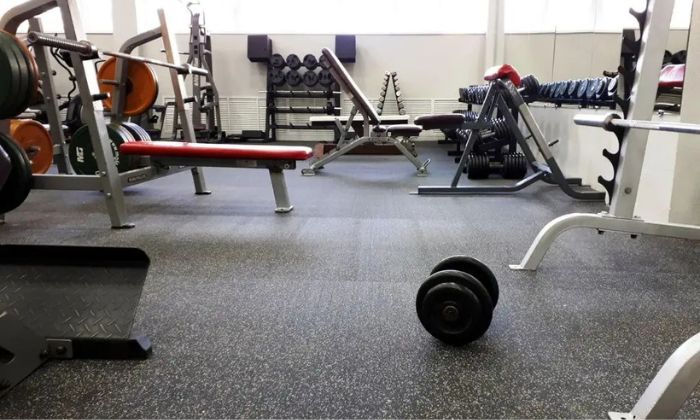
Rubber gym flooring is a high-quality flooring material widely used in professional gyms and increasingly popular in home gym flooring setups. Known for its durability and toughness, rubber has long been considered the gold standard in flooring solutions for intense workouts.
Key Features of Rubber Flooring
Durability and Toughness
Rubber gym flooring is known for its durability and toughness, making it ideal for high-intensity workouts. It withstands dropped weights, heavy machines, and constant foot traffic without damage. This resilience ensures long-lasting performance, protecting both the floor and equipment. Its ability to handle intense impact makes it a reliable choice for home and commercial gyms.
Resistance to Heavy Weights and High Impact
Rubber gym flooring is built to withstand intense workouts, offering resistance to heavy weights and high impact. Whether it’s barbells, dumbbells, or the repeated stress from cardio machines, it won’t crack, dent, or compress. This durability ensures long-lasting performance, protecting both your equipment and subfloor while creating a safer, more resilient workout environment.
Long Lifespan
Rubber gym flooring is built to last, making it a smart long-term investment. With proper care and maintenance, it can withstand heavy workouts, high foot traffic, and constant use without wearing out quickly. Its durability ensures reliable performance for years, protecting both your floor and equipment while maintaining a safe workout environment.
Pros of Rubber Flooring
One of the biggest reasons people choose rubber over other types of flooring is its balance between strength and safety.
Excellent Shock Absorption
Rubber gym flooring provides excellent shock absorption, reducing the impact on your joints during high-intensity workouts and heavy lifts. This not only helps prevent injuries but also ensures long-term comfort and stability while exercising. Additionally, it protects gym equipment and flooring from damage caused by dropped weights, making it a durable and safe choice for any fitness space.
Slip-Resistant and Safe
Slip-resistant flooring ensures safety during workouts by reducing the risk of slips and falls, even in sweaty, high-intensity sessions. Its textured surface provides strong grip and stability, allowing athletes to focus fully on performance without worrying about accidents. This makes it an ideal choice for gyms, fitness studios, and home workout spaces where safety is crucial.
Low Maintenance
Rubber gym flooring is a low-maintenance choice, making it ideal for busy fitness spaces. It’s easy to clean with simple sweeping or mopping, while its durable surface resists stains, scratches, and heavy use. Often eco-friendly, it’s built to withstand daily workouts without losing quality, saving time and effort on upkeep while ensuring long-lasting performance.
Cons of Rubber Flooring
Higher Cost Compared to Foam
Rubber gym flooring usually costs more than foam because of its durability and long-lasting quality. While it offers better protection, shock absorption, and resistance to heavy use, the higher price can be a drawback for budget-conscious buyers. For those seeking affordable options, foam may seem more cost-effective, but rubber delivers better long-term value.
Heavier and Harder to Install
Rubber mats are durable but heavier than foam, making them harder to move and install. Their weight ensures stability once in place, but handling them can be tiring and time-consuming. Installing large or thick rubber mats often requires extra help, planning, and effort compared to lighter flooring options like foam.
Limited Softness for Floor Exercises
Rubber gym flooring offers durability and protection but has limited softness, making it less ideal for yoga, stretching, or bodyweight floor exercises. While it provides excellent grip and shock absorption for heavy workouts, users may find it uncomfortable for prolonged floor contact. Adding a yoga mat or foam surface can enhance comfort during such activities.
What Is Foam Gym Flooring?
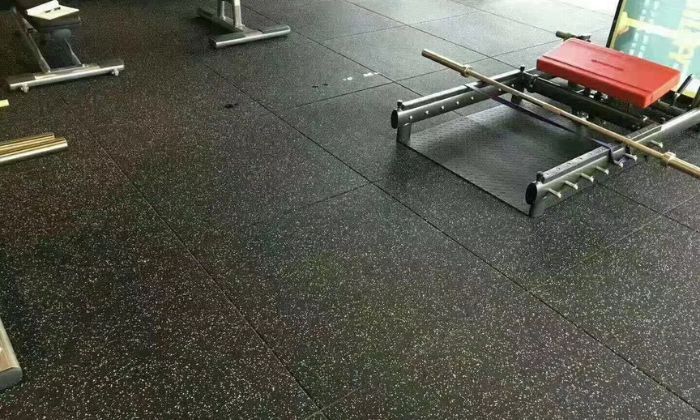
Foam gym flooring, often seen in puzzle-piece floor mats, is a lightweight, affordable option perfect for lighter workouts and casual home gym flooring setups. Foam exercise mats are known for their soft cushioning, making them a great flooring solution for comfort-focused activities.
Key Features of Foam Flooring
Lightweight and Affordable
Lightweight and affordable, this option provides a cost-effective solution without compromising functionality. Perfect for anyone on a budget, it delivers essential quality and practicality at a fraction of the price. Whether for personal or professional use, it ensures value for money, making it an ideal choice for those seeking reliability and savings in one package.
Soft Cushioning and Comfort
Soft cushioning provides maximum comfort, making it perfect for low-impact activities like yoga, Pilates, and stretching. Unlike flooring designed for heavy weights, it prioritizes support and relaxation over durability. The gentle surface reduces strain on joints and muscles, ensuring a more enjoyable and soothing workout experience, especially during exercises focused on flexibility and balance.
Easy to Install and Replace
Foam mats are lightweight, portable, and extremely versatile, making them a practical flooring option. They can be easily laid down without professional help and quickly removed or replaced if worn out or damaged. This convenience ensures hassle-free maintenance, flexibility in rearranging workout spaces, and cost-effectiveness compared to other flooring solutions.
Pros of Foam Flooring
Ideal for Yoga, Stretching, and Light Workouts
Perfect for yoga, stretching, and light workouts, this flooring provides soft cushioning that reduces pressure on joints and enhances comfort. Its supportive surface ensures stability during poses and exercises, making your routine safer and more enjoyable. Lightweight and easy to maintain, it’s an ideal choice for home gyms or any space where gentle, floor-based workouts are performed.
Budget-Friendly
Ideal for those seeking quality without overspending, budget-friendly flooring provides durability and comfort at a lower cost. It’s perfect for home gyms where you want safe, slip-resistant surfaces without the high price tag. Affordable options still protect floors, reduce noise, and support workouts, making them a smart choice for cost-conscious fitness enthusiasts.
Portable and Versatile
These gym mats are lightweight and easy to handle, allowing you to move or rearrange them effortlessly. Whether you’re creating a dedicated workout corner, changing your exercise layout, or traveling with your equipment, their flexibility adapts to any space. Perfect for home gyms, studios, or outdoor workouts, they provide convenience without compromising on safety or support.
Cons of Foam Flooring
Less Durable Under Heavy Weights
Foam gym flooring isn’t as durable under heavy use. It can compress, tear, or wear out when subjected to dropped weights or high-impact exercises. This makes it less suitable for intense workouts or areas with heavy equipment. While comfortable for stretching or light activities, it may not provide the protection and longevity needed in demanding gym environments.
Can Compress and Wear Out Quickly
Foam flooring is soft and comfortable but tends to compress under heavy weight, leading to indentations and uneven surfaces. With frequent use, it can wear out faster than other materials, showing visible damage, reduced cushioning, and a shorter lifespan. Regular heavy use may require replacement sooner to maintain safety and comfort in your workout or activity space.
Lower Shock Resistance
Lower shock resistance means foam gym flooring absorbs less impact compared to rubber. This can lead to louder noise during workouts and less protection for your joints, equipment, and underlying floors. While softer than hard surfaces, it’s not ideal for heavy weights or high-impact exercises, making it better suited for light workouts, stretching, or yoga rather than intense training sessions.
How to Choose the Right Flooring for Your Gym
So, how do you decide which type of flooring is best for your workout space? It comes down to evaluating your needs and priorities.
Consider Your Workout Style
Consider your workout style when choosing flooring. Rubber gym flooring suits heavy lifting, high-intensity cardio, and intense workouts due to its durability and shock absorption. Foam exercise mats are ideal for yoga, Pilates, stretching, or light resistance training, offering comfort and cushioning for low-impact exercises while protecting joints and providing a softer, more flexible surface for gentle workouts.
Space and Budget
Rubber gym flooring is highly durable and long-lasting, making it ideal for permanent setups. However, foam flooring is more budget-friendly and easier to install, perfect for temporary or smaller workout areas. Evaluate your space and long-term plans to choose the flooring that balances cost, comfort, and durability for your home gym needs.
Installation and Maintenance
Installation and Maintenance: Foam flooring is simple to install and replace, making it ideal for flexible or temporary setups. Rubber, though harder to install, provides a more durable and long-lasting surface, resisting wear and tear effectively. Choose rubber for longevity and heavy use, or foam for convenience and adaptability in spaces where quick changes or adjustments are needed.
Conclusion
Choosing between Rubber vs. Foam Gym Flooring is ultimately about aligning your fitness goals with your flooring solutions. Rubber gym flooring is the high quality, eco-friendly choice for heavy lifters, intense workouts, and long-term durability, while foam flooring is the cost effective, comfort-driven option for light exercises, stretching, and portable setups.
Your gym floor plays a bigger role than you think it reduces noise, improves slip resistance, and protects both your body and your investment in equipment. Whether you go with the toughness of rubber or the softness of foam, remember: the right flooring material doesn’t just support your workouts it transforms your entire workout space into a safer, more enjoyable environment.