
An outdoor bench is more than just a place to sit; it’s the centerpiece of your outdoor sanctuary, a resting spot that combines function, beauty, and emotion. Whether you’re enjoying your morning coffee, hosting weekend BBQs, or stargazing at night, the right bench can transform your outdoor space into an inviting haven of relaxation. But how do you choose the perfect one?
This complete guide will walk you through everything you need to know to pick an outdoor bench that matches your style, fits your space, and withstands the elements for years to come. Ready to turn your yard into an outdoor oasis? Let’s dive in.
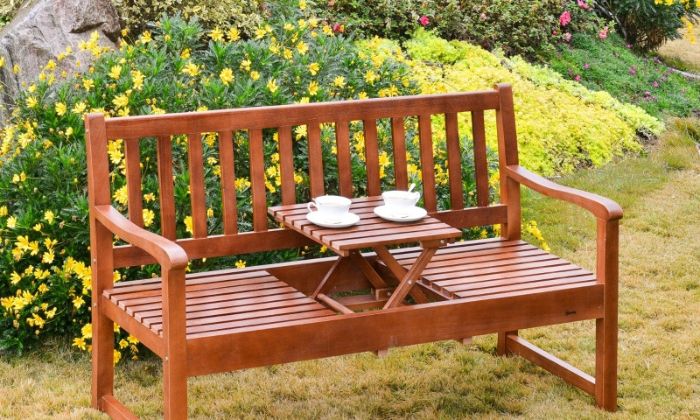
Assess Your Backyard Space
Before choosing an outdoor bench, take time to evaluate your backyard space carefully. Whether you have a spacious garden, a compact patio, or a small balcony, the size and layout of the area will directly influence the type of bench you can comfortably fit. In tight spaces, consider compact or foldable benches, especially those with built-in storage, to avoid overcrowding.
If your yard is larger, you have the freedom to go for a full dining set with a bench or even create multiple seating zones. Always aim to strike a balance between scale and functionality measure the area accurately, ensure there’s room to move around easily, and visualize the bench placement in relation to shade, sun exposure, and sightlines.
Determine the Bench’s Purpose
When choosing an outdoor bench, first determine its primary purpose, as this will influence all other decisions from material and style to size and budget. If you’re aiming for a relaxing spot, a wide wooden bench with cushions, armrests, and a high back offers comfort and support.
For dining setups, a backless bench is ideal since it can slide easily under the table. If you’re looking to enhance your garden’s visual appeal, opt for decorative benches made of wicker or wrought iron with artistic designs. For extra functional seating around a fire pit or along a pathway, consider lightweight, weather-resistant options that are easy to move.
Choose the Right Material
Materials not only affect appearance but also influence comfort, durability, maintenance, and price. Let’s explore the most common garden bench materials and their pros and cons:
Wood
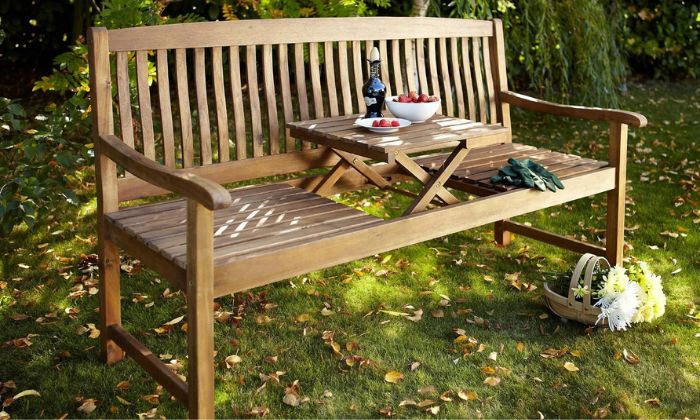
Wooden benches are a timeless choice that add warmth and natural charm to any outdoor living space. They are available in a variety of wood types, each with its own characteristics: teak is highly durable and naturally resistant to rot and insects, cedar is lightweight, aromatic, and moisture-resistant, while eucalyptus is a more affordable option that offers decent durability but requires regular oiling.
While wood benches are appreciated for their sturdy build and organic appeal, they do need consistent maintenance like sealing or oiling to preserve their look and longevity. These benches are perfect for cozy patios, garden nooks, and areas where aesthetics matter.
Metal
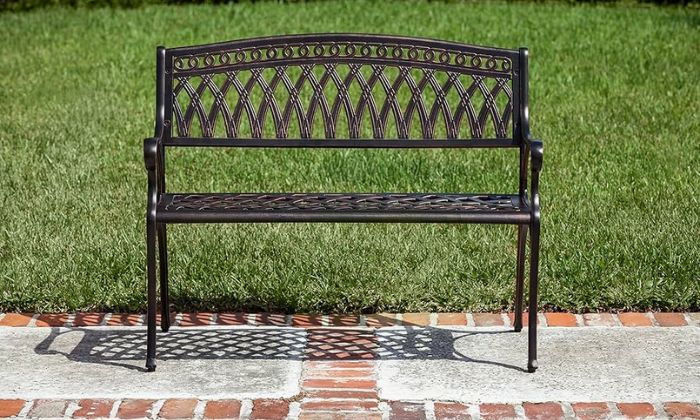
Metal garden benches offer a sleek, modern aesthetic and are known for their strength and durability. Wrought iron provides a timeless, classic look but can be heavy and susceptible to rust if not properly protected. Aluminum benches are lightweight, rustproof, and typically powder-coated for added durability, making them easy to move and maintain.
Steel benches strike a balance with a modern appearance and high durability, though they tend to be heavier. While metal benches are highly weather-resistant when coated, they can become hot under direct sunlight and may require cushions for added comfort. They are ideal for contemporary patios, formal garden spaces, or as elegant seating paired with a side table.
Plastic/Resin
Plastic or resin benches are lightweight, budget-friendly, and require very little maintenance, making them a practical choice for many homeowners. They are designed to mimic the appearance of wood or stone, offering aesthetic appeal without the upkeep. These benches are water-resistant and easy to clean, which adds to their convenience.
However, they tend to be less sturdy than other materials and may fade with prolonged exposure to sunlight. They are ideal for children’s play areas, compact outdoor spaces, or seasonal use where portability and low cost are priorities.
Wicker/Rattan
Wicker or rattan outdoor benches bring a relaxed, coastal charm to any backyard space and are often crafted from synthetic resin to withstand outdoor conditions. They are stylish and comfortable, with UV-resistant options available for better durability.
However, they may deteriorate over time if exposed to extreme sun or heavy rain, making them best suited for covered porches, poolside lounges, or cushioned outdoor seating areas where they receive some protection from the elements.
Evaluate Weather Resistance and Durability
When choosing an outdoor bench, it’s crucial to evaluate its weather resistance and overall durability to ensure it can withstand the elements such as sun, rain, wind, and possibly snow. Materials like teak, aluminum, and powder-coated steel are excellent options for year-round use, offering strong resistance to weather-related wear.
While wood brings natural charm and comfort, metal options offer modern aesthetics and long-lasting strength. Look for features like UV protection, waterproof cushions, and protective finishes that guard against cracking, fading, or warping. In particularly humid, coastal, or rainy environments, prioritize rust-resistant materials like aluminum or synthetic wicker to ensure longevity and low maintenance.
Match the Style with Your Outdoor Décor
When choosing an outdoor bench, it’s important to match its style with your existing décor so it feels like a natural extension of your home rather than an afterthought. For a modern space, go with minimalist metal or angular wooden designs, while a boho chic look is enhanced by wicker or rattan paired with soft throw pillows.
If you prefer classic elegance, ornate wrought iron with floral patterns can bring a timeless charm. Whatever your style, stick to color schemes and finishes that complement your current furniture, plants, and overall aesthetic mixing elements can be fun, but maintaining cohesion ensures a visually pleasing outdoor space.
Consider Comfort and Ergonomics
When choosing an outdoor bench, comfort and ergonomics are just as important as style. A beautiful bench means little if it causes discomfort after just a few minutes. To ensure a pleasant seating experience, opt for designs with curved backrests, wide seats, and smooth edges.
Benches featuring armrests and lumbar support are ideal for longer periods of relaxation, while weatherproof cushions can enhance softness and overall comfort. It’s also essential to consider the leg height of the bench; standard seating height should align well with side tables or outdoor dining areas for practical use and ease of access.
Set a Realistic Budget
When choosing an outdoor bench, it’s important to set a realistic budget that aligns with your needs and preferences. Benches come in a wide range of prices from low-cost plastic options ideal for temporary use to mid-range wooden or metal benches that offer a good balance of comfort and style, and even high-end teak or designer pieces built to last for decades.
Consider not just the initial price but also any additional expenses such as maintenance, cushions, or delivery fees. Prioritizing quality and durability may require a higher upfront investment but will save you more over time by reducing the need for frequent replacements.
Think About Maintenance and Storage
When choosing an outdoor bench, it’s important to consider how much maintenance and storage it will require throughout the year. Even durable materials need care; wood should be oiled or sealed annually to prevent decay, metal may need touch-ups if its coating chips, plastic or resin can be cleaned with a regular hose down, and wicker lasts longer when kept in the shade or covered.
In regions with harsh winters or frequent storms, opt for foldable or stackable benches that are easier to store, and use weather covers or bring them indoors during the off-season to protect them. For those with busy schedules, low-maintenance benches offer a hassle-free way to enjoy a stylish and comfortable outdoor space without the burden of constant upkeep.
Conclusion
An outdoor bench is more than furniture; it’s where memories are made. It welcomes guests, holds warm conversations, and offers peaceful solitude amidst nature. Whether you dream of a rustic wooden bench nestled among blooms or a sleek metal bench beside your grill station, the perfect bench is out there.
Remember to evaluate your backyard seating ideas carefully, choose garden bench materials suited to your climate, and match style with function. Prioritize comfort, weather resistance, and durability, and don’t overlook storage and upkeep.