
When it comes to setting up a home gym or designing a professional fitness space, one decision that’s often underestimated but absolutely vital is Gym Flooring. The right floor doesn’t just enhance aesthetics; it directly impacts safety, performance, durability, and even long-term cost-effectiveness. Yet, countless people make costly gym flooring mistakes that end up affecting their workouts and wallets.
So how can you avoid these traps and make a smart, long-lasting choice? In this guide, we’ll walk you through the most common mistakes to avoid when choosing gym flooring and how to sidestep them with confidence. Whether you’re designing a sleek commercial space or a rugged garage gym, this article will help you make the right call.
Ignoring the Type of Workouts
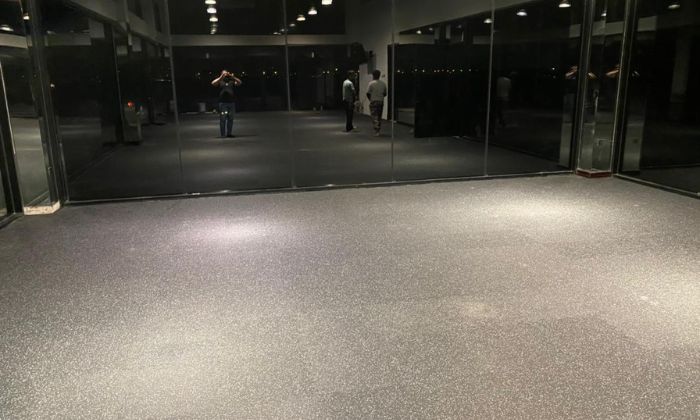
The first and most crucial mistake people make is ignoring the type of workouts they plan to perform. A yoga studio doesn’t need the same flooring as a weightlifting zone. Using soft mats under heavy equipment or installing hard surfaces where high-impact movements are done can lead to injuries, discomfort, and damaged floors.
For high-intensity training, shock absorption flooring is a must. Heavy dumbbells? You’ll need rubber gym flooring installation for both protection and support. Meanwhile, low-impact workouts might only require foam or PVC tiles. Always align your home gym setup with your exercise goals.
Choosing the Wrong Material
Different materials serve different purposes. Choosing a gym floor based purely on how it looks or its price tag can lead to major problems.
- Foam is great for light workouts and bodyweight exercises but lacks durability for weightlifting.
- Vinyl offers sleek looks but may not withstand heavy equipment.
- Rubber flooring remains the gold standard for serious gyms, thanks to its durability, slip resistance, and shock absorption.
Using improper flooring materials can lead to early wear and tear, instability during workouts, and even increase the risk of injury. Choose wisely based on your workout intensity and long-term needs.
Overlooking Shock Absorption
One of the biggest gym floor safety hazards is poor shock absorption. Not all flooring absorbs impact equally. Without sufficient cushioning, joints can take a beating, especially during jumping or lifting.
High-quality shock absorption flooring not only protects your body but also safeguards your equipment and subfloors. When you’re dropping weights or doing high-impact cardio, the right floor can cushion your movement, prevent fatigue, and reduce long-term injuries.
This isn’t a luxury, it’s a necessity. Don’t overlook it.
Not Considering Floor Thickness
When it comes to floor thickness for the gym, one size does not fit all. The thickness you choose should correspond with the type of training you’ll be doing.
- 6mm to 8mm: Light workouts or yoga.
- 10mm to 12mm: Ideal for cardio and functional training.
- 15mm to 20mm and above: Heavy-duty lifting and commercial setups.
Choosing flooring that’s too thin can lead to heavy equipment protection failure damaging both your gear and floor. Meanwhile, overly thick floors may cause instability in movements like squats or lunges.
Make sure you pick the right thickness for performance and safety.
Ignoring Slip Resistance
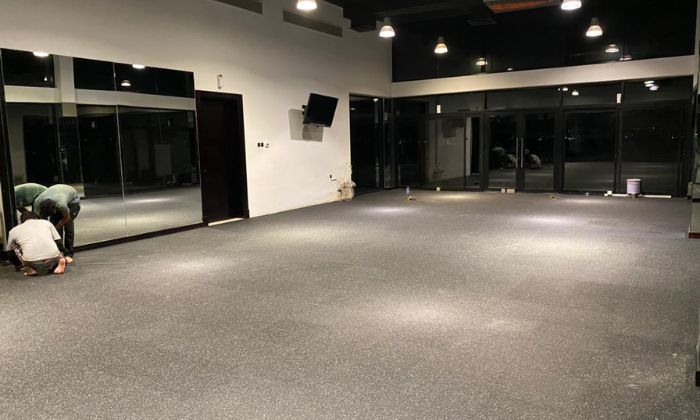
Another critical error? Ignoring how slip-resistant your surface is. When sweat hits the floor, or when you’re wearing smooth-soled shoes, traction matters more than ever.
Non-slip fitness mats provide the grip you need to perform movements like lunges, deadlifts, or push-ups without risking a nasty fall. This is especially crucial in home gyms, where floors might double as living areas or garages with concrete underneath.
For gym floor safety, always choose a slip-resistant surface. It’s not just about performance, it’s about protecting your body from painful injuries.
Skipping Moisture and Mold Resistance
Gyms, especially garage or basement setups are hotspots for moisture. Sweat, humidity, spills… All of these can damage flooring that’s not properly sealed or designed for moisture control.
Failing to choose moisture-resistant flooring can lead to mold, mildew, and foul odors that spread through your entire space. Rubber flooring or vinyl tiles with moisture-sealing technology are your best bet in damp environments.
You don’t want your dream gym turning into a health hazard, do you?
Poor Noise and Vibration Control
Dropped weights, cardio machines, jumping rope gym floors can get loud, especially in apartments or shared living spaces. Failing to consider noise reduction features can lead to complaints from neighbors or family members not to mention a headache for you.
Noise reduction gym tiles are designed to absorb vibrations and sounds, creating a quieter, more peaceful workout environment. This is essential in home gym setups, especially if you’re working out early in the morning or late at night.
Avoid this gym flooring mistake if you want a gym that’s powerful and peaceful.
Neglecting Ease of Maintenance
Let’s face it, gyms get sweaty, dusty, and dirty quickly. If you install flooring that’s hard to clean, you’ll either spend too much time scrubbing or end up with a filthy space.
Look for gym flooring that’s easy to mop, vacuum, or wipe down. Interlocking rubber tiles, for example, are not only durable but also gym floor maintenance friendly.
Don’t forget that poor hygiene can also lead to bacterial growth, bad smells, and skin infections. Clean floors are safe floors.
Overlooking Installation Requirements
Some people rush into buying flooring without considering installation errors. Certain materials require special adhesives, leveling, or even professional help.
Skipping this step can lead to loose tiles, shifting mats, or bubbling surfaces making your gym both annoying and unsafe to use.
Take time to research or hire a pro for rubber gym flooring installation. Make sure your subfloor is clean, level, and moisture-resistant. Doing it right the first time saves time, money, and frustration.
Focusing Only on Price
We get it, everyone loves a good deal. But focusing only on price is one of the most common and damaging gym flooring mistakes.
Cheap flooring might save you today, but cost you tomorrow in repairs, replacements, or injuries. Invest in cost-effective gym flooring, not just cheap flooring. The difference? One is affordable and built to last; the other is a ticking time bomb.
Remember, the durability of gym floors matters more than saving a few bucks upfront. Think long-term.
Not Testing Before Buying
Would you buy a car without test driving it? The same principle applies to gym flooring. Not testing the material can lead to major disappointment once it’s installed.
If possible, order samples of your top choices. Test them with your shoes, weights, and workouts. Feel the texture, check the grip, and try how it absorbs impact.
This small step can help you avoid buying a floor you end up hating.
Conclusion
At the end of the day, your floor is the foundation of every squat, every sprint, every push-up. A poor choice leads to aches, distractions, and frustration. But the right Gym Flooring transforms your space into a powerhouse of energy, comfort, and performance.
Avoiding these gym flooring mistakes means you’ll build a gym that’s safe, durable, slip-resistant, easy to maintain, and a quiet one that works as hard as you do.
Don’t compromise on your goals. Choose a floor that fuels your hustle, protects your body, and lasts for years.