

Installing indoor play equipment can transform any enclosed space into a dynamic and fun-filled indoor recreational zone for children. Whether it’s for a school, mall, daycare, or a commercial indoor play center, a professionally planned and safely executed installation is essential. This comprehensive guide will walk you through how to install indoor play equipment safely and efficiently while complying with industry safety standards.
Planning And Preparation
Site Assessment
Before beginning the installation, conduct a thorough play area risk assessment. Consider the dimensions, layout, accessibility, and proximity to emergency exits. Take note of ceiling height and any structural elements that could interfere with the equipment or restrict movement.
Understand Equipment Requirements
Each play structure comes with unique assembly instructions for play structures. Ensure that you are aware of the required floor space, height clearance, and user age suitability. Compliance with ASTM/EN standards is crucial for ensuring indoor playground safety guidelines.
Tools And Materials Checklist
Here are some tools and hardware you may need:
- Power drill
- Screwdrivers
- Measuring tape
- Safety gloves and glasses
- Anchoring systems
- Shock-absorbing flooring material
- Electrical wiring tools (if interactive components are included)
Choosing The Right Indoor Play Equipment
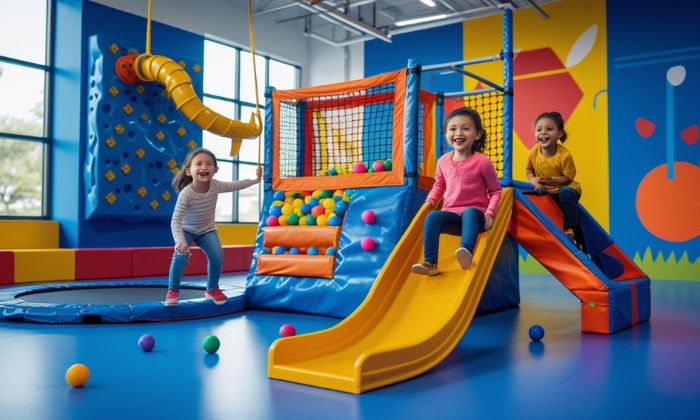
Select age-appropriate equipment that caters to your target users. Consider modular play systems that can be expanded or reconfigured. Ensure the design promotes child safety regulations and includes features like soft surfaces, rounded edges, and no sharp projections.
Choosing child-friendly equipment assembly is essential. Look for play systems that have passed rigorous safety testing and feature fall protection measures.
Preparing The Play Area
Clear The Installation Space
Clear the area by removing all furniture, obstacles, and debris. Make sure the floor is clean, dry, and level to create an ideal surface for installation. This preparation helps ensure a smooth, safe, and efficient flooring process without disruptions or damage to materials or equipment.
Install Proper Flooring
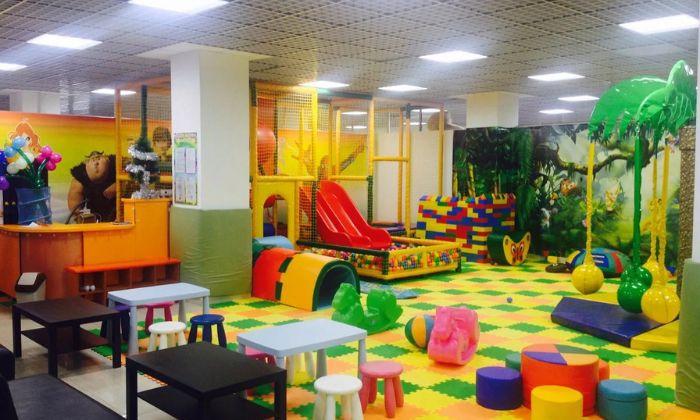
Proper flooring in indoor playgrounds minimizes injury risks. Use shock-absorbing materials like rubber mats, foam tiles, or EPDM rubber flooring. These surfaces provide cushioning during falls, ensuring children’s safety. EPDM is especially popular for its durability and softness, making it ideal for soft play installations in commercial and recreational spaces.
Ensure Adequate Lighting And Ventilation
Ensure play areas have sufficient lighting and ventilation. Good lighting, natural or artificial, enhances visibility and safety for children. Proper ventilation maintains fresh air, reducing the risk of respiratory issues. These elements create a healthier, more comfortable environment where children can play, learn, and explore without hazards or discomfort.
Installation Process
Follow Manufacturer Guidelines
Always follow the manufacturer’s installation guidelines when setting up playground equipment. These instructions are carefully designed to ensure the structure is safe, stable, and durable. Ignoring them can compromise user safety and lead to equipment damage or failure. Manufacturers test their designs to meet safety standards, so proper installation is essential. Adhering to their guidelines also helps maintain warranties and ensures compliance with local safety regulations. In short, following the recommended process protects both users and the integrity of the playground.
Secure Anchoring
Ensure equipment is firmly anchored to the ground or wall using secure anchoring systems. Proper anchoring prevents instability that could cause accidents or injuries. Weak or loose connections increase the risk of tipping or movement during use. All joints and fastening points should be reinforced to maintain structural integrity and safety. Regularly inspect anchor points to ensure they remain tight and effective over time. A well-anchored installation enhances user safety and extends the life of the equipment in any setting.
Electrical And Interactive Components
For play equipment with electronic features, ensure all electrical installations meet safety standards specific to children’s play areas. Wiring must be properly insulated and securely enclosed to prevent access by children. Components should be durable, weather-resistant, and regularly inspected for damage or wear. Use low-voltage systems where possible to minimize risk. Install controls and interactive elements at child-friendly heights, ensuring they’re easy to use and safe. Always follow manufacturer guidelines and local electrical codes for maximum safety.
Final Touches And Clean-Up
Sanitize The Equipment
After installation, thoroughly clean and sanitize all equipment surfaces. This ensures a hygienic environment, preventing the spread of germs and infections. Regular sanitation maintains safety standards and protects users by minimizing contamination risks. Proper cleaning is essential for health and equipment longevity.
Remove Any Debris Or Leftover Materials
Clear away all debris, leftover packaging, screws, and unused materials. Properly dispose of waste to keep the area clean, organized, and safe for everyone. This prevents hazards and ensures a neat workspace after completing a project or installation.
Add Safety Signage And User Guidelines
Post clear safety signs with usage instructions, age limits, and emergency procedures. These signs guide users on proper play area use and help prevent accidents, ensuring everyone’s safety. Proper signage is essential for creating a secure environment and promoting responsible behavior in the play area.
Maintenance Tips For Longevity And Safety
Regular Inspection Schedule
Set a regular inspection schedule using a detailed equipment checklist. During each inspection, check for signs of wear, loose or damaged parts, and any potential hazards to ensure safety and proper functioning. Routine checks help prevent breakdowns and maintain equipment reliability.
Immediate Repair Of Worn Parts
Immediately repair or replace worn or damaged parts to maintain safety and prevent accidents. Prompt action ensures equipment functions properly without interruptions, reducing risks and costly downtime. Prioritizing quick fixes protects users and prolongs the lifespan of machinery or systems.
Cleaning And Sanitizing Routines
Cleaning and sanitizing routines keep spaces hygienic and visually appealing. Regular care prevents dirt buildup, reduces germs, and promotes health. These routines also help spot problems early, allowing quick fixes before they worsen, ensuring a safe and pleasant environment for everyone.
Common Mistakes To Avoid
Ignoring Manufacturer Instructions
Ignoring manufacturer instructions risks faulty installations and safety hazards. Following guidelines ensures proper use, preventing damage, malfunction, and accidents. Disregard can cause product failure, void warranties, and endanger users. Always adhere to instructions for safe, effective, and reliable outcomes.
Improper Anchoring
Improper anchoring means not using strong, secure anchors to hold a structure in place. This can cause the structure to become unstable or collapse, greatly increasing the chance of accidents and injuries. Proper anchoring is essential to ensure safety and maintain the integrity of any construction or equipment.
Overlooking Age-Appropriateness
Always choose equipment suited to the user’s age to prevent misuse and accidents. Age-appropriate gear ensures safety by matching the user’s physical and cognitive abilities, reducing risks, and promoting proper use. Ignoring age guidelines can lead to injury and equipment damage. Safety depends on careful selection.
Skipping Post-Installation Safety Tests
Never skip safety tests after installing play areas. Always perform thorough checks using fall protection equipment and simulate real-world play scenarios to spot hazards. This ensures the area is safe for children, preventing accidents and injuries before opening to the public. Safety first guarantees peace of mind.
Best Indoor Play Equipment Supplier In Dubai
When it comes to sourcing reliable and safe play equipment, look no further than Empire Sarmad, the leading supplier in Dubai. We specialize in indoor play area design and soft play installation. Our modular play systems comply with international safety standards and are tailored to create child-friendly indoor recreational space planning solutions.
Whether you need shock-absorbing flooring or professional play equipment installers, Empire Sarmad provides end-to-end support, from design to installation.
Conclusion
To install indoor play equipment safely and efficiently, meticulous planning, adherence to safety standards, and the right choice of materials and installers are crucial. Follow our outlined steps to ensure your indoor play center setup is not only fun and engaging but also safe and compliant with global child safety regulations.
Choosing a trusted partner like Empire Sarmad in Dubai can make all the difference in achieving a successful installation.
FAQs
How Do You Make Playground Equipment Safe?
By selecting age-appropriate equipment, installing shock-absorbing flooring, following manufacturer assembly instructions, and conducting regular inspections.
How Long Does It Take To Install Playground Equipment?
Depending on complexity and size, it can take from one day to a few weeks. Hiring professional play equipment installers ensures quicker and safer setups.
How Do I Choose Playground Equipment?
Consider age-appropriateness, space availability, compliance with ASTM/EN standards, and equipment features such as modularity and safety certifications.