
Clean Outdoor Playground Flooring isn’t just about appearances it’s about safety, hygiene, and making sure our kids have a secure, fun place to play day after day. A well-maintained play surface doesn’t just reduce injury risks; it speaks volumes about care, responsibility, and love for our children. Parents trust that playgrounds are safe havens so it’s our job to ensure the flooring remains clean, durable, and inviting year-round. Whether you manage a public park, a school yard, or your own backyard play area, this comprehensive guide will help you master playground surface maintenance like a pro.
Understanding Outdoor Playground Flooring Types
Before jumping into maintenance strategies, it’s important to understand what type of outdoor playground flooring you’re working with. Different materials have different needs and knowing this will save you time, money, and frustration.
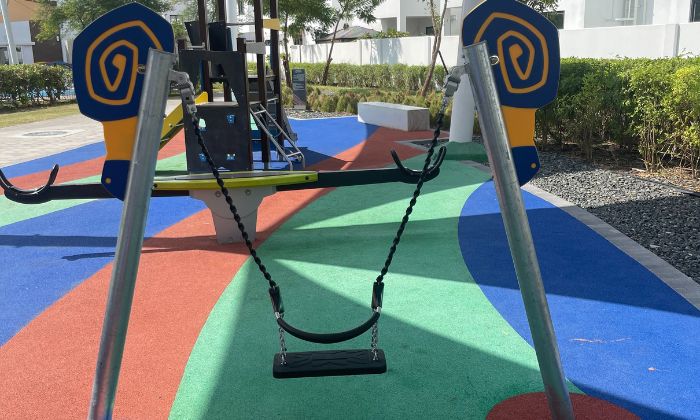
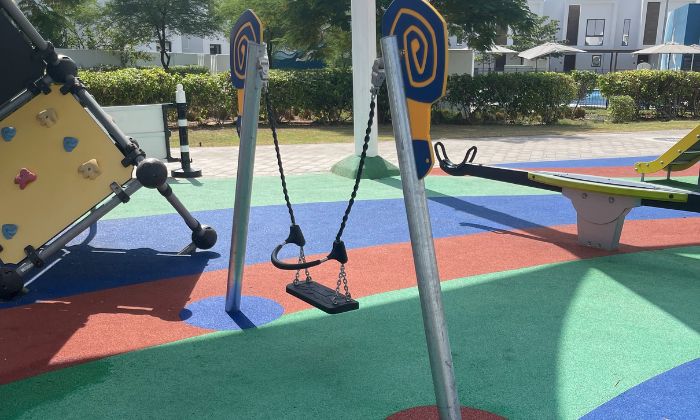
Rubber Tiles and Poured-in-Place Surfaces
Rubber flooring, including interlocking rubber tiles and poured-in-place rubber surfaces, is a popular choice for its shock absorption and minimal upkeep. These materials offer long-term durability and weather resistance, but they still require regular cleaning and inspection to remain effective and visually appealing.
Artificial Turf and Grass Mats
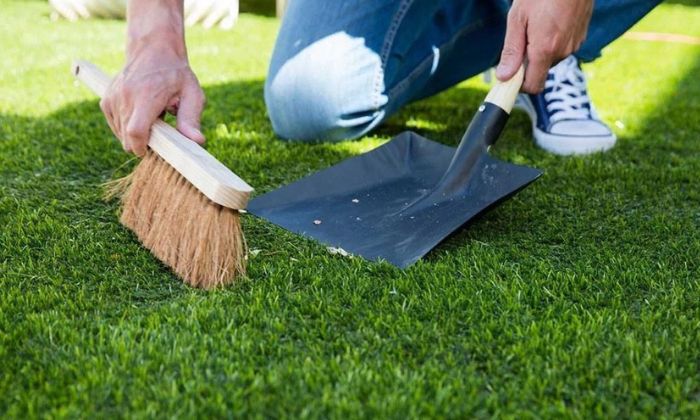
Artificial turf provides a soft, green appearance that mimics real grass without the mess. It’s low maintenance, but debris removal and occasional grooming are essential to keep it clean and safe. Grass mats, often made from rubber or plastic mesh, are excellent for high-traffic zones but can trap dirt, water, and bacteria if not cleaned regularly.
Mulch and Sand-Based Flooring
Loose-fill materials like wood mulch, engineered wood fiber, or sand are inexpensive and provide good fall protection. However, they shift easily, can hide sharp objects, and are prone to mold, mildew, and pest infestations if not monitored closely.
How Maintenance Needs Vary by Material
Each flooring type has its own care schedule. Rubber flooring care, for example, focuses on pressure washing and crack inspection. Mulch needs regular raking and top-offs. Knowing your material means knowing your maintenance priorities from debris removal to mold and mildew prevention.
Why Playground Maintenance Matters
Maintaining outdoor playground flooring isn’t just a checklist item it’s a necessity driven by several critical factors:
Safety
As flooring wears out, its ability to absorb shocks diminishes. Small cracks in rubber surfaces or uneven patches in turf can lead to trips and falls. Adhering to playground safety standards means frequent surface inspections and repairs before accidents happen.
Aesthetics
A clean, vibrant play area attracts families. Dirty or stained flooring sends the wrong message. Regular outdoor play area cleaning tips include sweeping, washing, and disinfecting to keep your playground beautiful and welcoming.
Cost Savings
Routine upkeep can prevent expensive replacements. By investing in minor repairs or seasonal cleaning, you’re adding years to your playground’s life and cutting down long-term costs.
Hygiene
Outdoor environments attract dirt, bird droppings, and moisture breeding grounds for bacteria. Cleaning rubber tiles and other surfaces helps reduce health risks and ensures a hygienic environment for all children.
Daily and Weekly Maintenance Practices
Start with the basics. A regular routine is your first line of defense in keeping your flooring clean and safe.
- Debris Removal: Sweep away leaves, twigs, and trash daily. Use leaf blowers for larger areas.
- Spot Cleaning: Clean up spills, animal droppings, or mud patches immediately using mild, eco-friendly cleaning solutions.
- Raking and Leveling (for loose-fill materials): Rake sand and mulch weekly to ensure even depth and remove hidden hazards.
These tasks not only protect the flooring but help with UV protection for flooring dust and grime can wear down surface coatings that block sun damage.
Deep Cleaning Techniques
At least once a month or seasonally for larger playgrounds your flooring needs a deeper clean.
- Pressure Washing: Great for rubber tiles and turf. It lifts embedded grime and refreshes colors.
- Disinfecting: Use child-safe, biodegradable cleaners to kill bacteria and prevent mold.
- Artificial Turf Grooming: Brush the fibers upright and apply infill if needed. Check for compacted areas.
- Mulch Refresh: Replace decomposed mulch and remove clumps or moldy patches.
This seasonal cleaning not only keeps the space looking its best it resets safety and hygiene standards.
Seasonal Considerations
Every season presents new challenges for outdoor playground flooring:
- Spring: Check for mold growth and water damage after rain. Refresh mulch or turf.
- Summer: UV rays can dry out rubber and bleach turf. Consider reapplying protective coatings.
- Autumn: Leaves can hide debris and encourage mold. Keep the area clear.
- Winter: Snow and ice can crack surfaces. Avoid using harsh salts opt for playground-safe deckers.
Adjust your maintenance strategy each season to ensure weatherproof playground flooring stays resilient year-round.
Repair and Inspection Guidelines
Regular inspections are vital to maintain safe play surfaces. Walk the playground weekly and look out for:
- Cracks in rubber
- Holes in turf or grass mats
- Uneven surfaces or shifts in mulch depth
- Mold patches or slimy residue
- Rusted, broken edges or anchoring issues
When to Repair vs. Replace Flooring
- Repair if the damage is minor, like small cracks or uneven fill.
- Replace when you see widespread cracking, severe warping, or if the flooring no longer meets playground safety standards.
For extensive problems, don’t hesitate to hire professionals. They can ensure flooring is properly leveled, sealed, and compliant with regulations.
Safety Compliance and Regulations
Playground flooring must adhere to local safety codes and standards such as ASTM F1292 (impact attenuation) or EN 1177 in Europe. These guidelines ensure flooring protects against falls from equipment heights. Regular testing, proper documentation, and surface inspections are essential to remain compliant and liability-free.
If you’re unsure whether your flooring meets the mark, a professional playground audit can provide peace of mind and a clear action plan.
Eco-Friendly Cleaning and Maintenance Tips
Maintaining your playground responsibly protects not just kids but the planet too.
- Biodegradable Cleaners: Always choose non-toxic, child-safe solutions.
- Water-Saving Techniques: Use spray misters or broom cleaning over full hose-outs where possible.
- Sustainable Material Choices: When replacing flooring, opt for recycled rubber, sustainably sourced mulch, or eco-friendly turf options.
This sustainable approach adds value to your community space while supporting global environmental goals.
Conclusion
Clean Outdoor Playground Flooring is more than just about cleanliness it’s about showing we care. It’s about creating safe, bright, joyful spaces where laughter echoes and memories are made. From daily debris removal to seasonal deep cleaning and long-term durability strategies, the goal remains the same: protect our children.
By staying on top of repairs, following expert outdoor play area cleaning tips, and using eco-friendly cleaning solutions, we can create playgrounds that last through every season, every storm, and every stomp of tiny feet. Don’t wait until surfaces crack, fade, or become hazardous to clean, inspect, and protect. The kids are counting on us.