
When it comes to keeping your kids entertained and active indoors, indoor play equipment is a fantastic solution. From slides and climbing frames to mini trampolines and playhouses, these setups bring endless fun but also come with responsibilities. As a parent or guardian, your top priority is child safety. The home should be a place where children feel free yet protected. That’s why ensuring a safe play environment is absolutely crucial.
In this guide, we’ll take you through practical and emotional aspects of using indoor play equipment safely at home so your child’s playtime is not only joyful, but also worry-free.
Choosing the Right Equipment
Your child’s safety begins with the right choices. Choosing the best indoor play equipment means knowing your child’s age, interests, and developmental stage. Not every toy is a good fit for every age.
- Age-appropriate toys ensure your child is physically and mentally prepared to engage with the play equipment. Overly advanced equipment can frustrate younger children or even lead to injury.
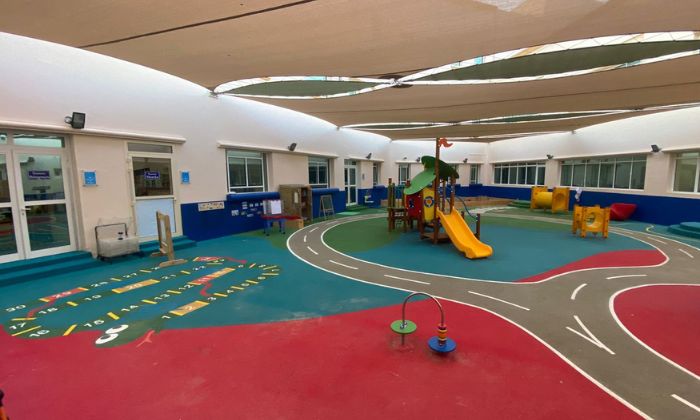
- Look for childproof indoor playground features that include rounded corners, soft textures, and enclosed areas that minimize falls.
- Always opt for non-toxic play materials. Kids tend to chew, lick, or lie on everything. Materials should be BPA-free, lead-free, and made from eco-safe substances.
Emotionally, this is where parents often feel the most pressure trying to give their kids the best without compromising safety. Remember, you’re not just buying equipment; you’re creating a safe space for imagination and growth.
Safe Installation Practices
A secure setup saves lives. Whether you’re assembling a slide or hanging a swing indoors, the stability and secure installation of equipment are non-negotiable.
- Read the manual thoroughly. Don’t rush through this step. Most accidents stem from improper installation.
- Use safe installation for kids playsets techniques bolts over nails, wall anchors, padded screws.
- Ensure the structure is on a flat, non-slip surface. This gives the equipment stability and reduces the chances of it tipping over.
- Hire professionals if needed. It might feel like an extra cost now, but think of it as an investment in peace of mind.
This stage is where parents feel the tension between “I can do this myself” and “Should I call someone?” Don’t let pride get in the way of safety. There’s strength in asking for help.
Supervision and Monitoring
Supervision and monitoring are essential for ensuring the safety of kids using indoor play equipment, no matter how high-quality or perfectly installed it may be. Being actively present, not just physically nearby is crucial to observe how your child interacts with the equipment and to step in if needed. It’s important to minimize distractions such as phones or household chores while your child is playing, as even a moment’s inattention can lead to accidents. If you must multitask, consider using baby monitors or indoor cameras to keep an eye on things. Think of yourself not as hovering, but as a silent guardian of your child’s happiness and safety.
Creating a Safe Play Environment
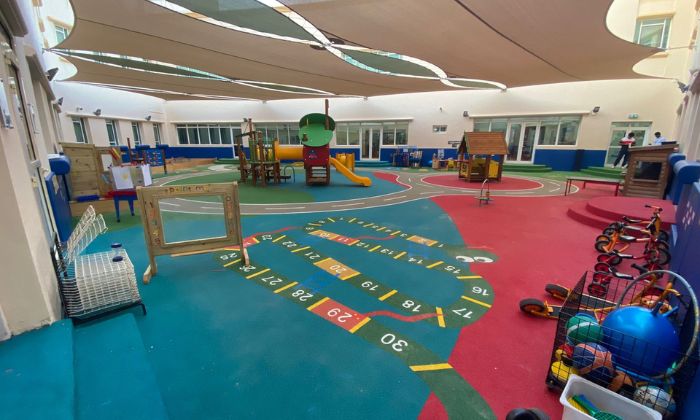
Creating a safe play environment means paying close attention not just to the equipment, but also to the entire room. Soft flooring such as foam mats or rubber tiles should be installed to cushion falls and reduce the risk of injury from trips or stumbles. The play space must be free from sharp furniture edges, glass items, and breakable decor that could pose a danger. Good lighting and proper ventilation are also essential, as dim or stuffy conditions can increase the likelihood of accidents. Ultimately, home play area safety is about striking a balance offering children the freedom to explore within a secure, protective boundary that feels like a safety net, not a cage.
Regular Maintenance and Inspections
Don’t set it and forget it. Over time, screws loosen, materials wear out, and small hazards creep in. Regular inspection ensures the equipment stays safe as it ages.
- Check weekly for any signs of damage splintered wood, rusted metal, or broken plastic.
- Tighten screws and replace worn-out padding or broken pieces promptly.
- Sanitize the equipment often. Germs can be silent hazards, especially in shared playsets.
Routine care can feel like a chore but it’s really a labor of love. Your consistency today prevents injury tomorrow.
Avoiding Common Hazards
Sometimes it’s the little things we overlook that cause the biggest problems.
- Avoid sharp edges or protruding parts. Use padding or covers wherever necessary.
- Remove toys with choking hazards for younger children. Always check labels and follow age guidelines.
- Never let children play with ropes, cords, or items that can wrap around the neck. These are hidden dangers in many indoor settings.
- Ensure the play area is free of slippery surfaces and water spills.
When you see the world through your child’s eyes, every corner becomes a potential thrill or threat. Walk the space yourself crawl, roll, reach. Experience it as your child would.
Educating Children on Safe Play
Educating children on safe play is about empowering them to protect themselves with confidence and independence. Start early by teaching simple rules like no pushing, avoiding unsafe climbing, taking turns, and asking before trying something new. Make the learning process engaging by turning safety lessons into playful games let them take charge as “Safety Captain” for the day. Offer consistent but gentle reminders, reinforcing that guidance isn’t about control but about encouraging healthy habits. When you teach safety, you’re building trust and sending a powerful message: “I believe in you to make smart, safe choices.”
Emergency Preparedness
Even with every safety measure in place, accidents can still happen, which is why emergency preparedness is crucial. Having a well-stocked first aid kit nearby and easily accessible is a must. It’s also important for all caregivers to learn basic child CPR and first aid to respond quickly in case of injury. Emergency contact numbers should be clearly posted in visible spots around the home. Installing soft safety gates can help isolate the play area and provide a controlled exit route during emergencies. While it’s difficult to think about worst-case scenarios, being prepared allows you to act decisively rather than freeze, offering calm and stability when your child needs it most.
Conclusion
Indoor play equipment opens up a world of fun, learning, and creativity for your children but it also demands care, attention, and proactive safety measures. From choosing the right gear to monitoring your child’s playtime, every step you take adds a layer of protection.
Remember, safety isn’t about restrictions, it’s about freedom within safe boundaries. When you create a secure space for your child to explore, you’re not just protecting them from harm, you’re giving them the confidence to dream, climb, and fly.
So go ahead and build that magical indoor play area. Choose quality. Install it right. Watch, guide, and love fiercely. Because nothing matters more than their safety and smile.