
A fence is more than just a boundary; it’s your first line of privacy, a boost to your home’s curb appeal, and a statement of security. Whether it’s a charming wooden fence enclosing your backyard or a sturdy metal one keeping your property safe, maintaining your fence isn’t just a chore it’s protecting your investment. With the right care and attention, your fence can last decades instead of just years. But neglect? That invites rot, rust, wear and tear, and costly replacements.
If you’ve ever watched your beautiful fence slowly fade, sag, or split, you know the frustration. But don’t worry this guide is packed with actionable, emotional, and effective fence maintenance tips that will keep your structure strong, clean, and standing proud.
Let’s walk through how to maintain your fence for longevity, no matter the material, climate, or age.
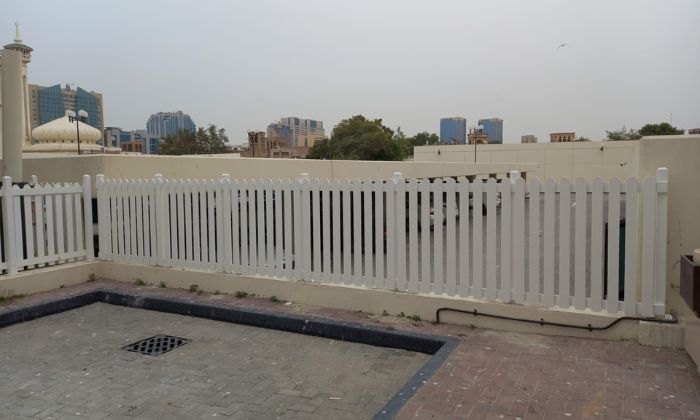
Understand Your Fence Material
Every fence is different and so is its care routine. Wood fences, for instance, are prone to rot, warping, and fading if not treated properly. Metal fences can rust or corrode, especially in areas with high humidity or salt exposure. Vinyl fences resist moisture but can crack under UV rays or heavy impacts.
Knowing what your fence is made of determines how to treat it. Pressure treated wood, for example, offers better resistance to moisture and insects, but still needs sealing. Aluminum fences might not rust, but steel ones can corrode without proper care.
Start here: identify your fence material and understand its weaknesses. That way, every bit of maintenance you do will be smart, targeted, and efficient.
Regular Inspection and Assessment
Neglect sneaks in slowly. What starts as a small crack or wobble can quickly evolve into structural issues. The key to a maintained fence is simple: regular inspections.
Walk your fence line at least once every season. Check for:
- Leaning or unstable fence posts
- Loose or broken fence panels
- Signs of rot or insect damage
- Rust patches on metal
- Cracks or discoloration from UV rays
Don’t just look touched. Wiggle the posts, press against the boards. You’re not being paranoid; you’re being proactive. These seasonal fence inspections prevent minor problems from becoming expensive nightmares.
Cleaning Your Fence Properly
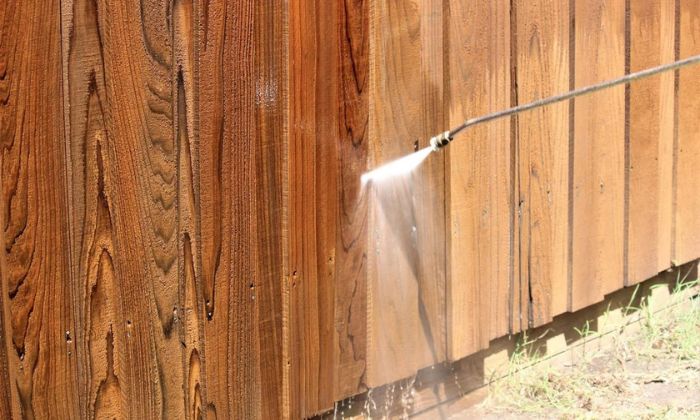
Cleaning your fence properly is essential for its durability and appearance. Over time, fences accumulate dirt, algae, mildew, and pollutants especially in shaded or damp areas trapping moisture that can lead to rot in wood or rust in metal. Use a pressure washer carefully on wood or vinyl, keeping the nozzle at a safe distance to avoid damaging the surface.
Wooden fences benefit from a mild wood-safe cleaner and a scrub brush for tough stains, while metal fences should be scrubbed with a wire brush to remove rust flakes before rinsing. A clean fence not only looks better but also lasts longer, and it provides a properly prepped surface for sealing or painting, which helps protect it even further.
Repairing Minor Damages Promptly
Small issues don’t fix themselves, they grow. One split board turns into a weakened section. One rusty screw leads to a collapsed panel. Prompt repairs are the secret to preserving your fence’s structural integrity.
Here’s what to fix right away:
- Replace cracked or rotten boards
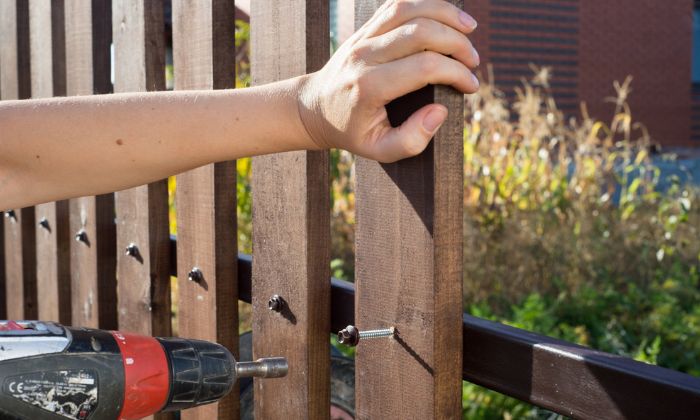
- Tighten or swap out loose nails and screws
- Re-set wobbly fence posts using fresh concrete
- Apply rust treatment to corroded spots on metal
Fixing things early saves money later. It’s not just about looks, it’s about protecting your fence from long-term damage.
Sealing, Staining, or Painting (for Wooden Fences)
Wood looks beautiful but it’s vulnerable. Exposure to rain, sun, and temperature swings can break it down quickly. That’s where sealing, staining, or painting comes in.
- Fence painting and sealing creates a barrier against water and UV rays.
- Wood preserver treatments add resistance to fungus and insects.
- Staining enhances the natural grain while offering protection.
Reapply every 2–3 years depending on your climate and wear. Never skip this step for wood fences; it’s your fence’s best defense.
Rust Prevention and Treatment
Metal fences are durable and stylish, but they require proper care to stay rust-free. Rust can gradually eat away at the metal, weakening its structure and spoiling its appearance. To prevent rust, it’s important to keep the fence dry by avoiding nearby planting or sprinkler spray, and to immediately touch up any scratched or chipped areas with paint.
Applying a rust-inhibiting primer and outdoor-grade metal paint adds an essential protective layer. If rust has already appeared, it’s not the end, just scrub it off with a wire brush, apply a rust converter to neutralize it, and repaint the area. Early treatment keeps your fence looking sharp and structurally sound for years.
Protection from Weather and Environmental Factors
UV rays, wind, rain, snow, humidity all these natural forces are enemies to a long-lasting fence. But there are ways to outsmart Mother Nature.
- Use fence treatment with UV-blocking ingredients.
- Install caps on fence posts to prevent water pooling.
- Direct sprinklers away from wooden or metal fences.
- Trim back trees and shrubs that can drop debris or trap moisture against the fence.
By controlling the environment immediately around your fence, you limit the damage nature can do.
Keeping the Area Around the Fence Clear
Keeping the area around your fence clear is essential for its longevity and health. Overgrown shrubs, vines, tall grass, or even piles of mulch and fallen leaves can trap moisture against the fence, leading to rot in wooden fences or rust in metal ones. It’s important to maintain a small gap between landscaping and the fence to allow airflow and reduce the risk of decay.
Avoid stacking materials like firewood or garden tools against the panels, as this not only blocks ventilation but can also attract pests and mold. While it may seem like a matter of appearance, keeping the space around your fence clean is actually a critical step in protecting its structural integrity and extending its life.
Professional Maintenance vs. DIY
Not everyone has the time, tools, or expertise to properly maintain a fence, especially if it’s large, old, or already showing signs of damage so in such cases, hiring a professional might be the smarter choice. A fencing expert can perform thorough inspections, treat deep rot or rust, re-tension sagging areas, and apply high-quality protective coatings that last longer.
That said, many routine tasks like cleaning, repainting, or tightening loose boards can easily be handled on your own with a little effort and consistency. The key is not to let hesitation delay essential upkeep whether you choose DIY or professional help, regular maintenance is what truly keeps your fence in top shape.
Conclusion
Your fence protects your privacy, your pets, and your peace of mind. But like anything exposed to the elements, it needs love. From wooden fence care to rust-proofing metal, from seasonal fence inspection to fence painting and sealing, you now have the tools to make your fence last and look stunning doing it.
Don’t wait until your fence is leaning, rotting, or rusting. Act now. Make it a weekend ritual. Inspect your fence, clean your fence, treat and protect it. A few hours each season can save you thousands and add years to your fence’s life.