
Zip line adventures are thrilling, fast-paced, and unforgettable. Whether installed in a backyard, an aerial adventure park, or a resort, a zip line offers a unique and high-speed experience that brings out the child in everyone. But behind the screams of excitement and wind-rushed faces is a crucial element that ensures every ride ends safely zip line maintenance.
Without proper care, even the highest quality zip line equipment can become unsafe. Over time, signs of wear appear on cables, trolleys, pulleys, and anchor points, risking injuries or worse. If you want to keep the safety of your zip line at its peak and extend its service life, routine care is not optional, it’s essential.
Here’s your complete guide on how to maintain your zip line for maximum safety and longevity, filled with expert advice, technical insights, and actionable tips.

Conduct Regular Safety Inspections
Routine inspection and maintenance are your first line of defense. A regular inspection schedule helps you catch issues early before they become dangerous or costly.
- Daily Checks: Before each use, especially in backyard zip lines, inspect the trolley, brake system, and visible parts of the cable for damage.
- Weekly Inspections: Check anchor points, hardware fittings, and parts of the zip line for rust, cracks, or loosening.
- Monthly Evaluations: Conduct a deeper inspection that includes checking for cable tensioning, signs of wear, or structural integrity issues.
Safety checks for backyard zip lines are just as important as those in adventure parks. Never assume a system is “too new” to fail.
Check and Maintain the Zip Line Cable
The zip line cable is the heart of the system. If it fails, nothing else matters. That’s why inspecting zip line cables must be done meticulously.
- Look for fraying, kinking, or flattened sections.
- Feel for burrs that could injure zip line riders or damage trolleys.
- Ensure the cable tensioning is optimal, not too loose or too tight.
Cables may appear fine from a distance, but up close, corrosion or broken strands can hide in plain sight. If there are any doubts about the cable’s integrity, replace it immediately with a high quality steel cable designed specifically for zip lining.
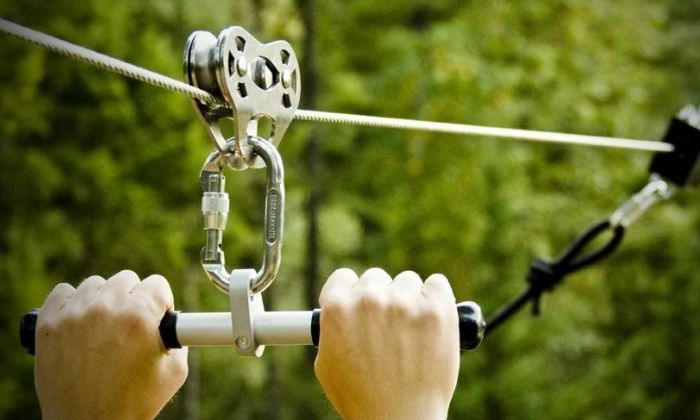
Inspect and Lubricate Moving Parts
Smooth rides depend on well-maintained moving parts. Lubricating pulleys and trolleys not only extends their life but ensures your zip lining experience remains fast, safe, and fun.
- Use a silicone-based lubricant or manufacturer-recommended product.
- Lubricate the trolley wheels and bearings regularly to prevent seizing.
- Inspect for unusual noises or friction, which often signals internal wear.
Neglected trolleys can cause jerky rides, wear down cables faster, and even compromise the zip line brake mechanism.
Examine the Platform and Support Structures
Your anchor points, take-off platforms, and support beams carry the weight of every zip line rider. Don’t let them become a weak link.
- Check for wood rot, insect damage, or rusted bolts.
- Verify that ladders, stairs, and railings are sturdy and free of wobble.
- Inspect the entire frame for sagging or signs of fatigue from environmental stress.
Whether it’s a backyard setup or a commercial aerial adventure course, secure platforms ensure safe launches and landings.
Weatherproof Your Zip Line
Your zip line is exposed to the elements 24/7. Rain, sun, wind, and snow will gradually weaken components unless you take steps to weatherproof zip line components.
- Apply anti-rust spray to metal parts.
- Use UV-resistant coatings or wraps on exposed surfaces.
- Cover or store removable components during off-seasons or heavy weather.
Proper weatherproofing not only boosts safety but enhances the longevity of your investment. Weather damage is sneaky and cumulative. Don’t let it shorten your zip line’s life.
Replace Worn or Damaged Equipment
No matter how thorough your maintenance is, parts wear out. Don’t wait until they fail to replace worn or damaged equipment as soon as you notice issues.
Key components to monitor:
- Zip line brake system: Ensure smooth deceleration. Replace foam, bungees, or springs when compressed or cracked.
- Trolley wheels and pulleys: Replace if you notice deformation or noise during use.
- Harnesses, helmets, and lanyards: If frayed or faded, they’re due for replacement.
The cost of replacement is far lower than the cost of an accident. Never compromise on safety to save money.
Maintain the Landing and Braking Zone
A safe zip lining experience doesn’t end when the rider finishes the ride it ends when they come to a controlled, injury-free stop.
- Clear the landing zone of debris, sharp objects, or loose gravel.
- Check the brake system for smooth operation and alignment.
- Make sure padding, mats, or crash barriers are in good shape.
Many injuries occur during dismount due to poor landing areas. Regularly clean, inspect, and test this zone, especially if the zip line brake relies on a gravity stop or manual assistance.
Record and Track Maintenance Activities
If you’re managing a commercial zip line or even a backyard zip line used by many, keeping a maintenance log is crucial.
- Note the date of each regular inspection and what was checked.
- Record replacements, repairs, or adjustments made.
- Schedule future inspections and flag components nearing end-of-life.
This habit not only improves accountability and consistency but also helps meet safety standards in adventure parks and commercial setups. Plus, in case of any accident, you’ll have documentation to demonstrate your due diligence.
Conclusion
Your zip line brings joy, excitement, and unforgettable memories but only when it’s maintained with care. Ignoring zip line maintenance tips puts everyone at risk and shortens the lifespan of your equipment.
By staying proactive with inspecting zip line cables, lubricating pulleys and trolleys, weatherproofing, and replacing worn parts, you’re not just preserving equipment you’re protecting lives. From anchor points to braking systems, every detail matters when it comes to safety checks for backyard zip lines and large-scale installations alike.
So don’t wait for an accident or a breakdown to take action. Begin your inspection and maintenance routine today. It’s your responsibility and your power to ensure every ride is as thrilling and safe as the first.