
Car Parking Shades aren’t just a luxury, they’re a necessity in regions where UV rays, heat, strong winds, and sudden downpours are a daily reality. They do more than just look good; they protect your vehicle, extend its life, and enhance the overall value of your space.
But here’s the catch: these shade structures won’t protect your vehicle for long unless you protect them first. Just like your car, Car Parking Shades need regular maintenance to remain strong, reliable, and effective against extreme weather conditions. A little care goes a long way in preventing costly replacements and ensuring your parking shade stands tall year after year.
In this guide, we’ll take you through practical, easy-to-follow maintenance tips from cleaning to inspections and weather protection that will help you get the most out of your investment. Let’s dive in.
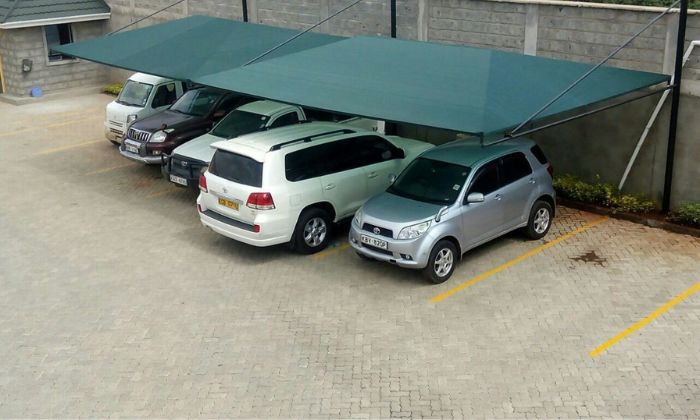
Understanding Your Parking Shade Materials
First things first, know what your Car Parking Shades are made of. Most high-quality parking shade covers are made of UV-resistant fabric, PVC, HDPE, or canvas, supported by metal frames such as steel or aluminum. Each material has its strengths but also its vulnerabilities.
For example, UV-resistant fabrics are designed to block harmful UV radiation, but constant exposure still takes its toll. Steel frames offer durability but require rust prevention care. Knowing the makeup of your shade helps you tailor your maintenance approach.
Pro Tip: Always check your manufacturer’s guidelines. They often include specific care instructions for shade fabric, frames, and fasteners.
Regular Cleaning and Washing
Regular cleaning and washing of your car parking shade is essential to maintain its appearance and durability. Accumulated dust, bird droppings, tree sap, and pollution can not only make the shade look dirty but also deteriorate the material if left unattended. To clean it effectively, use a soft cloth or brush with a mild detergent diluted in lukewarm water, making sure to rinse thoroughly to avoid soap residue.
Harsh methods like high-pressure washers should be avoided as they can damage seams and weaken the fabric. Regular cleaning helps preserve the UV-resistant properties of the shade, prevents mold and mildew buildup, and ensures the structure remains in top condition for a longer time. Ideally, cleaning should be done every 2 to 3 months, though areas with high dust or pollution may require more frequent attention. Incorporating this simple habit will go a long way in extending the lifespan of your parking shade.
Inspecting for Wear and Tear
Inspecting your car parking shades regularly is essential to ensuring their longevity and safety. Small issues like fraying fabric, minor tears, or loose stitching may seem insignificant at first, but they can quickly escalate into costly damage if left unaddressed. Pay close attention to any thinning of the material, discoloration from UV exposure, or sagging that may indicate structural weakness.
Also, check the metal frames for rust or corrosion and ensure that all fasteners are secure and intact. These inspections are especially important after severe weather events, as wind and rain can worsen existing damage. Keeping a simple record of your inspections can help you monitor changes over time and plan timely maintenance or repairs. Early detection of wear and tear can prevent bigger problems and extend the lifespan of your shade structure, saving you money and effort in the long run. Ideally, inspect the shades at the start of every season.
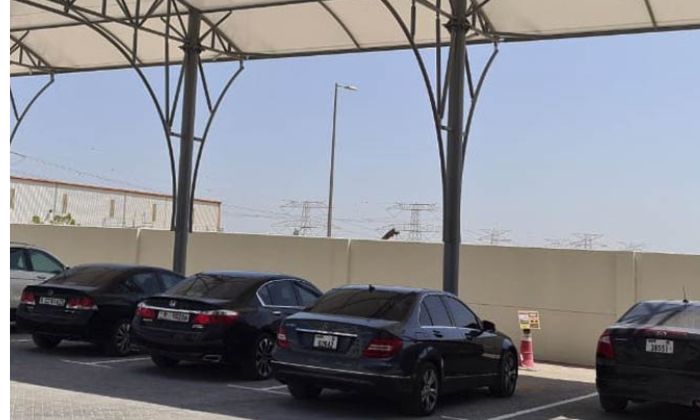
Rust and Corrosion Prevention
Rust and corrosion can significantly shorten the lifespan of metal frames used in car parking shades, especially in humid, coastal, or rainy environments where moisture accelerates deterioration. To prevent rust, it’s essential to regularly clean and thoroughly dry all metal surfaces, particularly after rain or washing, to stop moisture from lingering. Applying a rust-resistant primer or protective paint at least once a year helps create a barrier against the elements.
It’s equally important to avoid water accumulation around the base of the structure, as standing water is a major trigger for corrosion. Regular inspections should be conducted to spot any scratches, chips, or cracks in the protective coating, which must be repaired immediately to prevent exposure. If rust is already visible, quick action is crucial: sand the area, apply a rust converter, and repaint it to halt further damage. Prioritizing rust prevention ensures the long-term durability and safety of your shade structure.
Protection from Harsh Weather
Car parking shades are built to endure outdoor conditions, but harsh weather can still pose a serious threat if proper precautions aren’t taken. Prolonged exposure to UV rays can weaken fabric, while heavy rain may cause waterlogging and structural strain. High winds are particularly dangerous, especially if the shade isn’t firmly secured, potentially turning it into a hazardous projectile. To extend its lifespan and ensure safety, invest in UV-resistant fabrics with high UV blocking capability, typically 90–95%.
Proper water drainage systems should be maintained to avoid water accumulation, which can stretch or damage the material. Strong anchoring bolts and tight fasteners are essential for structural stability, particularly in storm-prone areas. Reinforcing the shade before severe weather seasons and trimming nearby trees to prevent branch damage are proactive steps that help avoid costly repairs. A well-maintained, securely installed shade not only protects your vehicle but also prevents accidents during extreme weather.
Tightening and Replacing Fasteners
Fasteners such as bolts, nuts, and ties are crucial components that hold your car parking shade structure together, and maintaining them in good condition is essential for the overall durability and safety of the installation. It is important to inspect all fasteners every three to six months to ensure they are tight and secure. Any rusted, broken, or missing fasteners should be replaced immediately to avoid structural instability and premature wear. Using anti-seize lubricant on metal fasteners can prevent them from sticking and becoming difficult to remove during future maintenance.
Additionally, worn-out tension cords or tie-down straps must be replaced to preserve the shade’s proper tension and shape. Loose or failing fasteners can lead to sagging fabric, weakened joints, and possible damage during harsh weather. For long-term reliability, consider using stainless steel hardware, which offers superior resistance to rust and corrosion, ensuring your shade structure remains strong and secure over time.
Professional Inspections and Repairs
While regular DIY maintenance keeps car parking shades in good condition, periodic professional inspections are crucial for long-term durability and safety. Skilled technicians have the expertise to conduct thorough evaluations, identifying hidden issues like structural fatigue, tension imbalances, or early signs of damage that might go unnoticed in routine checks. They are equipped to re-tension loose fabric, replace worn components, and handle large-scale repairs that require technical know-how.
This is especially vital for shades installed in commercial areas, where safety standards and regulatory compliance are non-negotiable. Scheduling professional evaluations annually or after major weather events, visible sagging, or sudden rust development can prevent small problems from escalating into costly repairs or failures. Professional attention not only extends the lifespan of the shade but also ensures it continues to provide reliable protection and structural integrity in all seasons. Proactive inspections are an investment in both safety and long-term performance.
Storage and Removal Tips (If Applicable)
Some Car Parking Shades are removable or retractable, especially those used seasonally. If that’s the case, correct storage procedures are just as important as proper usage.
Storage Guidelines
- Clean the fabric thoroughly before storage.
- Allow everything to dry completely to avoid mold growth.
- Roll the fabric (don’t fold) to avoid creases or weak points.
- Store in a dry, cool location away from direct sunlight.
- Lubricate frame joints and moving parts before packing.
Proper storage extends the life of your shade and ensures a trouble-free setup when you’re ready to reinstall.
Tip: Label parts or take photos during disassembly to make reinstallation smoother.
Conclusion
Your Car Parking Shades do a lot more than just look nice. They protect your vehicle, enhance property value, and offer peace of mind in the face of UV radiation, high winds, and weather surprises. But none of that lasts without regular maintenance.
From UV-resistant fabric care to rust prevention for metal frames, and from regular cleaning to shade structure inspection, every small action you take today can save you from expensive repairs tomorrow.
Whether it’s checking bolts, washing with mild detergent, or calling in the pros, these tips are more than just suggestions; they’re your roadmap to durability, reliability, and long-term performance.