
A School Playground Clean isn’t just a nice thing to have, it’s a vital part of a healthy, safe, and inspiring learning environment. Every child deserves a playground where they can run freely, laugh loudly, and play safely without dodging litter or worrying about germs.
Unfortunately, many schools overlook the daily upkeep of playgrounds, unintentionally exposing students to unsanitary conditions, unnecessary wear and tear of equipment, and a negative perception of their environment. Keeping the playground clean is not a one-time effort, it’s a community-driven mission.
In this article, we’ll explore the importance of maintaining a clean school playground, identify common causes of playground litter, and outline practical, emotionally-driven steps to foster a litter-free school environment while inspiring student responsibility for cleanliness.
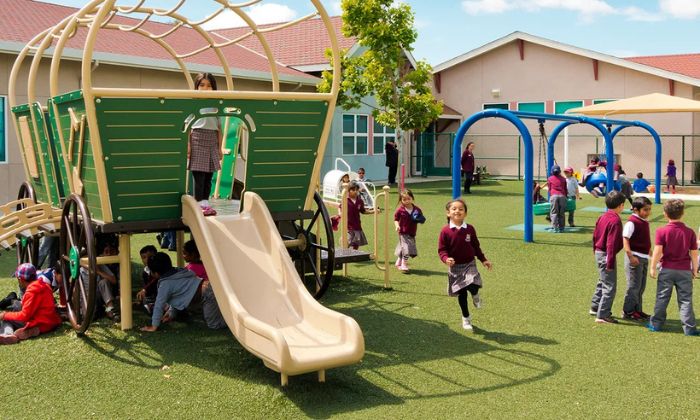
Importance of a Clean School Playground
A clean playground isn’t just visually pleasing; it shapes the well-being, habits, and character of our children. Here’s why maintaining a clean playground is more important than ever:
Ensures Safety
Trash, broken bottles, food wrappers, or even small sharp objects hidden in the grass or under climbing structures can cause injuries or infections. Routine cleaning and regular inspections of play areas help remove hazardous materials and ensure the space is safe.
Beyond visible threats, unclean playgrounds are fertile grounds for bacteria. The spread of germs from shared surfaces like swings, slides, and monkey bars can escalate quickly in schools. Daily cleaning and proper cleaning products reduce the risk of outbreaks and illnesses.
Prevents Spread of Diseases
Playgrounds are often the meeting points for hundreds of students. Without regular maintenance and a solid cleaning schedule, germs spread easily through touchpoints. A clean environment not only keeps students safe but reduces absenteeism and keeps the school functioning smoothly.
Encourages Environmental Awareness
When children see adults caring for their surroundings, they mirror that behavior. Teaching students the importance of waste reduction and proper school waste management builds a generation that respects nature, understands the cost of pollution, and chooses eco-conscious habits.
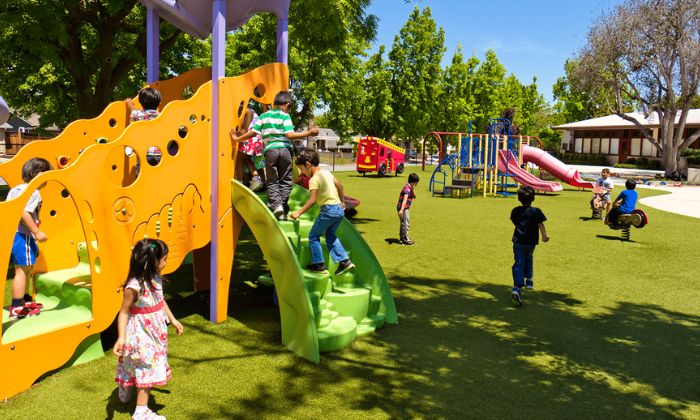
Improves Overall Appearance
First impressions matter. A sparkling-clean playground reflects a school’s commitment to quality education, discipline, and student welfare. A tidy outdoor space draws admiration from parents, teachers, and visitors, enhancing the school’s image in the community.
Common Causes of Playground Litter
Before addressing the problem, we need to understand its roots. Here are the most common contributors to playground mess:
- Lack of trash disposal options (few bins or inconvenient placement)
- Unawareness or carelessness among students
- Improper waste segregation
- Food packaging from snacks and lunches
- Natural debris like leaves or fallen branches (especially if left unaddressed)
Often, the mess isn’t due to malice, it’s due to a lack of structure, awareness, and enforcement of playground cleanliness rules.
Practical Ways to Keep the Playground Clean
Place More Trash Bins
Place colorful, clearly-labeled trash bins near seating areas, food corners, play structures, and exits to encourage proper waste disposal. Use bins with images so even young children understand their purpose. Visibility is key, and regular emptying is essential for cleanliness. Strategic bin placement supports better hygiene and helps maintain a tidy playground environment.
Educate and Encourage Students
Cleaning should empower, not punish. Teach students through fun, age-appropriate lessons, stories, films, and activities about pollution’s impact. Use posters with messages like “Your Trash, Your Responsibility” and hold engaging assemblies promoting cleanliness. When students grasp why littering matters, they’re more motivated to help keep their school environment clean and take responsibility for their actions.
Organize Clean-Up Drives
Organizing clean-up drives offers students hands-on experience that builds discipline, responsibility, and environmental empathy. Monthly clean-up events encourage teamwork and respect for surroundings. Rewarding efforts like collecting the most waste or maintaining the cleanest areas boosts motivation. These activities not only promote cleanliness but also instill lifelong values through practical involvement and a sense of shared responsibility for the environment.
Appoint Cleanliness Monitors
Appoint student cleanliness monitors, rotating weekly or selecting volunteers, and motivate them with badges and small rewards. These monitors remind peers to clean up, report messes or broken bins, and suggest rule improvements. This approach promotes responsibility and encourages leadership by making students active participants in maintaining a clean and respectful school environment.
Set Playground Rules
Playground rules should be clear, simple, and easy to see. Encourage no eating in play areas, always using bins after meals, picking up one piece of litter daily, and telling a teacher if bins are full. Make the rules stand out by using creative displays like murals, painted pathways, or student-made signs to promote cleanliness and safety.
Role of the School Community
A clean school is only possible when the entire community comes together. This includes:
- Teachers, who must model behavior and incorporate cleanliness topics in lessons.
- Parents, who can reinforce these habits at home and support school efforts.
- Support Staff, who ensure regular maintenance and report issues during daily cleaning.
- Administrators, who allocate resources for cleaning products, equipment, and educational campaigns.
Even vendors and visitors should be informed about playground expectations. When everyone feels responsible, maintaining a clean playground becomes second nature.
Benefits of Keeping the Playground Clean
Healthier School Environment
A clean school environment lowers the risk of injuries, infections, and allergies, helping students stay safe and healthy. When play areas are well-maintained and hygienic, children can enjoy activities freely, breathe cleaner air, and feel more comfortable. This promotes better physical well-being, concentration, and overall academic performance, allowing students to thrive in a safer, healthier space.
Safer Play Areas
Regular inspections and debris removal help maintain school play areas, preventing damage from wear and tear. This protects costly playground equipment, extends its lifespan, and ensures a safer environment for children.
Develops Discipline
When students help clean the playground, they learn discipline and responsibility through action. This hands-on experience teaches them self-control, the value of cleanliness, and the importance of working together for a common good. By actively participating, children internalize these life lessons more effectively than through instruction alone, fostering personal growth and a sense of community ownership.
Enhances Respect for Public Spaces
A child who learns to throw trash in a bin today is more likely to respect public spaces in the future. This simple act fosters a sense of civic responsibility and pride in their surroundings. By keeping areas like the school playground clean, children develop habits that contribute to a more respectful and responsible community tomorrow.
Conclusion
A school playground is more than a task, it’s a collective mindset. It reflects how we value our children, their safety, and the kind of world we want them to grow up in.
By educating students, equipping the playground with the right tools, involving the school community, and leading by example, we can prevent the spread of disease, protect our play equipment from wear and tear, and foster a generation that values hygiene, responsibility, and the environment.
Let’s not wait for trash to pile up or illness to spread. Let’s act today. Let’s be the school that sets the standard, not the one that follows it.