
Outdoor playground equipment is more than just a set of swings, slides, and climbing frames; it’s where children laugh, explore, and make lifelong memories. But behind every joyful play session lies a responsibility: to ensure this space remains safe, clean, and durable. Without proper care, even the sturdiest play equipment can become a potential hazard. Fortunately, with the right maintenance strategies, you can significantly extend the life of your playground and keep children safe for years to come.
Here’s your ultimate guide to maintaining your outdoor playground equipment with practical, emotional, and safety-driven tips every facility, school, or community should follow.
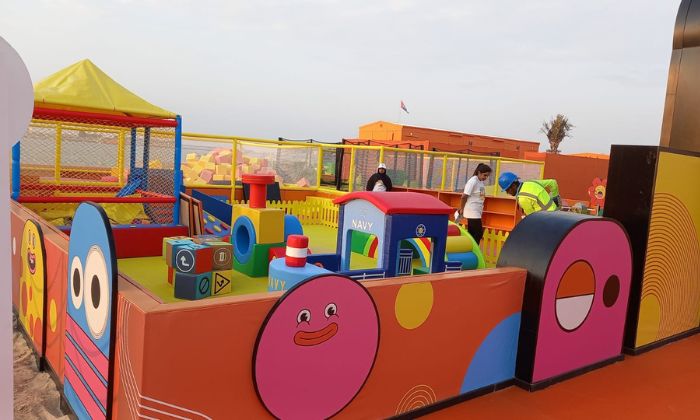
Conduct Regular Inspections
Think of inspections as the heartbeat of playground safety. Routine safety inspections help you spot potential hazards before they become serious risks. Over time, bolts may loosen, surfaces may crack, and parts may wear down. If left unchecked, these issues could lead to injuries or costly replacements.
Create a maintenance checklist that covers every inch of the play area, from high-traffic zones to rarely used corners. An inspection team whether internal staff or third-party professionals should evaluate each component regularly. Pay special attention to loose bolts, unstable structures, and rusted or worn materials.
Regular inspections are not just a recommendation, they’re a necessity. Schedule them weekly or monthly, depending on usage, and always after extreme weather events. These proactive steps will help you detect problems early and ensure children can play freely and safely.
Clean Equipment Properly
Children play with their hands, faces, and sometimes even their mouths. That makes playground equipment care and cleaning more than just a hygiene issue; it’s a health priority.
Use child-safe cleaning products to disinfect high-touch surfaces like handrails, slides, and swings. Remove dirt, bird droppings, and grime to maintain visual appeal and structural integrity. Regularly cleaning your playground also prevents mold, mildew, and corrosion, especially in humid or rainy environments.
Cleaning isn’t just about appearance it contributes directly to the lifespan of your investment. Clean surfaces are less likely to harbor moisture and bacteria, which can accelerate wear and tear or make the equipment slippery and dangerous.
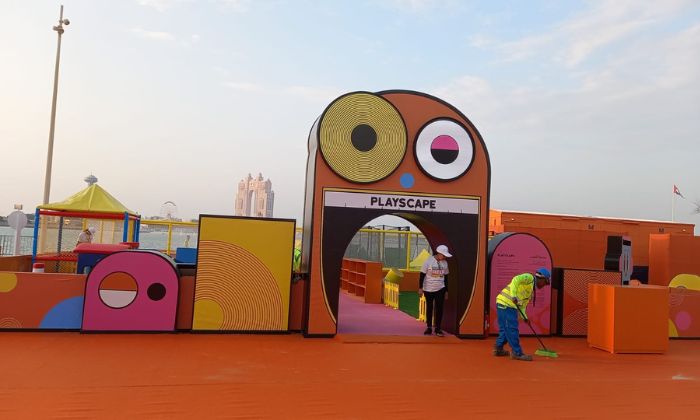
Check for Wear and Tear
All materials degrade over time, especially when exposed to active use and harsh elements. One of the top preventive maintenance for outdoor play areas is identifying wear and tear early on.
Look for cracks in plastic components, splinters in wooden structures, peeling paint, rust spots, or sagging swings. These are signs that the play equipment may need attention, repair, or even replacement.
Ensure that replacement parts are on hand or easy to order. Many manufacturers offer specific components designed to be swapped out quickly. Being prepared means your playground won’t be out of service for long, reducing downtime and potential risk.
Protect Against Weather Damage
Your outdoor playground equipment faces everything from blazing sun to torrential rain. UV rays can fade colors and weaken plastic, while moisture can rust metal or rot wood. Using weather-resistant materials from the start is important, but ongoing care is just as crucial.
Apply protective coatings or sealants where necessary, especially before seasonal changes. Cover certain parts during off-seasons, or install shades to limit sun exposure.
Investing in weather-resistant playground materials not only extends the equipment’s life but also reduces long-term maintenance costs. Ultimately, it’s about preserving safety and playability in every condition.
Lubricate Moving Parts
Squeaky swings or stiff merry-go-rounds are more than just annoying; they’re warning signs. Regular lubrication of moving parts is essential for smooth operation and longevity.
Apply child-safe, non-toxic lubricants to hinges, bearings, and joints. This minimizes friction, reduces noise, and extends the life of the playground equipment.
Skipping this step may lead to breakdowns or snapped components, which can pose significant safety hazards. Simple lubrication goes a long way in preserving motion-based equipment.
Maintain Safe Surfacing
Your play area is only as safe as the surface children land on. Surfacing not only cushions falls but also contributes to visual design and drainage.
Regularly inspect for wear, compacting, or displacement in materials like rubber mulch, sand, or weather-resistant mats. Ensure that impact zones remain soft and level. If needed, top-up or replace materials that have thinned out.
Many overlook surfacing in their playground maintenance routine, yet it’s often where injuries occur. Regular updates to surfacing ensure compliance with safety standards and keep children safe during active play.
Ensure Proper Drainage
Water pooling in or around your outdoor playground equipment is more than an inconvenience; it’s a breeding ground for mold, bacteria, and decay. Improper drainage can also erode foundations or make surfaces slippery.
Make sure the site is graded properly to direct water away from equipment. Clear nearby drains regularly, and avoid placing equipment in low-lying areas.
Ensuring your playground has excellent drainage is vital to maintaining safe, dry, and inviting conditions year-round.
Follow Manufacturer Guidelines
It might be tempting to “wing it” with repairs or installations, but ignoring manufacturer instructions can compromise equipment safety and void warranties.
Use the recommended cleaning products, replacement parts, and techniques suggested in the user manual. Follow timelines for maintenance and repairs, and always rely on trusted professionals when in doubt.
By sticking to guidelines, you’re respecting the engineering behind your play equipment and maximizing its intended lifespan.
Keep Maintenance Records
Documentation may not sound exciting, but it’s one of the smartest steps in effective playground maintenance. Keeping detailed maintenance records allows you to track patterns, schedule future inspections, and show compliance during audits or insurance reviews.
Log every risk assessment, safety inspection, and repair session. Note who performed the task, what was done, and any next steps.
This transparency ensures nothing falls through the cracks and provides peace of mind for parents, staff, and regulatory bodies.
Educate Staff and Supervisors
Even the best-maintained outdoor playground equipment can pose risks if staff aren’t informed. Training your staff on proper inspections and maintenance helps them recognize potential hazards and take immediate action.
Empower them with knowledge about routine safety inspections, signs of wear and tear, and basic maintenance and repairs. Encourage open communication and reward proactive behavior.
Ultimately, your team is your first line of defense. Their awareness and commitment can dramatically improve playground safety and equipment longevity.
Conclusion
Your outdoor playground equipment is more than just metal and plastic; it’s a symbol of joy, growth, and freedom. Protecting it through regular safety inspections, proper cleaning, and proactive maintenance isn’t just responsible, it’s essential.
From ensuring weather-resistant materials stand the test of time, to replacing worn-out parts before they fail, every step you take reinforces a message: that safety, fun, and childhood memories matter.
Let this guide be your go-to manual for playground inspections, preventive maintenance, and long-term care. Whether you manage a public park, a school, or a private play space, these actions will not only extend the life of your outdoor playground equipment but also build a reputation of trust and reliability.