
A zip line can transform any backyard into an adrenaline-filled adventure zone. Whether you’re installing a short ride for your kids or setting up a longer line through trees for teens and adults, the thrill of zipping through the air is hard to beat. But with great excitement comes great responsibility and far too often, DIY enthusiasts make critical errors that turn fun into frustration, or worse, injury. In this guide, we’ll explore the top mistakes to avoid when installing a zip line, helping you create not just a thrilling ride, but a safe and enjoyable experience for everyone.
From choosing the wrong location to neglecting the brake system, each misstep can compromise safety and performance. Let’s uncover these common pitfalls and share essential zip line installation safety tips to ensure you get it right the first time.
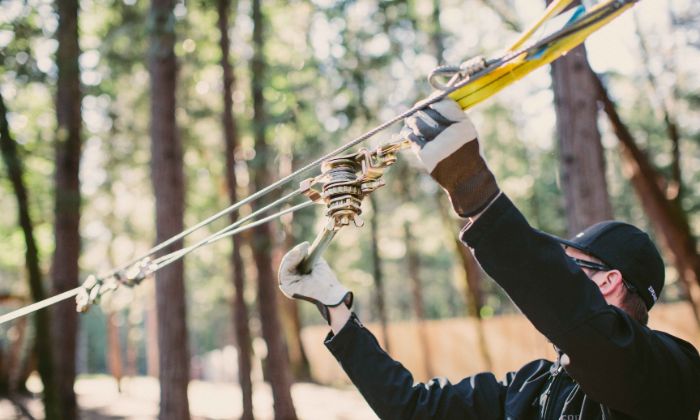
Choosing the Wrong Location
Location isn’t just about where your zip line looks best, it’s about safety, slope, and surroundings. One of the biggest backyard zip line setup errors is choosing a site that doesn’t support a proper run. A zip line needs enough vertical drop for riders to move smoothly, but not so steep that they pick up dangerous speed.
Avoid placing your zip line near sharp objects, fences, pools, roads, or other hazards. Always prioritize safety by picking a clear path that allows for a smooth ride and safe landing. Ideally, there should be plenty of buffer space on both ends of the ride.
Remember: A bad location can’t be fixed with great equipment. Start smart.
Using Inadequate or Unsafe Materials
A zip line is only as strong as its weakest component. Skimping on quality might save a few dollars now, but the risks can be disastrous. Some DIYers use ropes or cheap cables not designed to withstand the tension or weight loads required for zip line operations.
For proper installation:
- Use galvanized aircraft-grade zip line cable.
- Choose commercial-grade cable clamps, pulleys, and trolleys.
- Never use frayed, rusted, or secondhand parts.
Using unsafe materials is one of the most common zip line installation problems that can lead to catastrophic failure. Stick to industry-tested zip line equipment that meets safety standards. Don’t gamble with your life or your child’s for a budget shortcut.
Incorrect Cable Tensioning
Getting the tension right on your zip line is both an art and a science. A cable that’s too tight won’t allow enough sag, making it unsafe and jerky. Too loose, and riders may not reach the end or could scrape the ground mid-ride.
Improper tensioning can strain anchors and increase wear on the brake system, reducing the lifespan of your entire setup.
Here are a few tensioning tips:
- Use a turnbuckle or come-along to fine-tune tension.
- Ensure there is enough sag to absorb rider weight but not so much they touch the ground.
- Avoid tightening without measuring slope and drop ratio.
Poor tension leads to unsafe rides and rapid wear and tear. Always follow zip line construction guidelines for cable sag, slope, and load capacity.
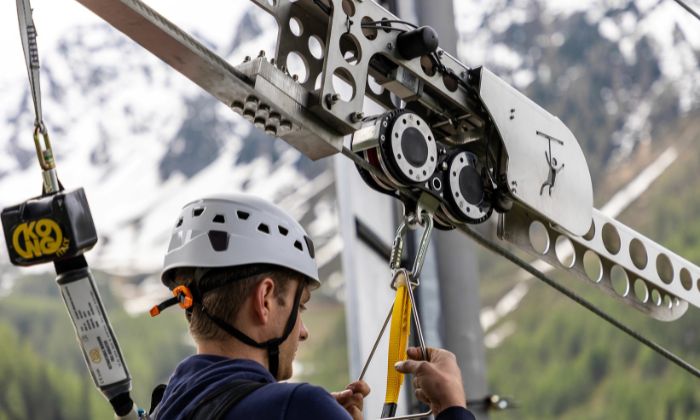
Poor Anchor Installation
The anchoring point is one of the most critical elements in zip line builds. Think of it like the foundation of a house: if it’s unstable, everything else is at risk.
Whether attached to trees, poles, or posts, anchors must be rock-solid and capable of supporting the dynamic load of a moving person. Improper anchoring is not just a DIY zip line mistake, it’s a major danger.
Follow proper zip line anchoring techniques:
- Trees should be healthy, mature, and at least 12 inches in diameter.
- Posts should be cemented deeply into the ground.
- Use tree saver straps or eye bolts designed for zip lines.
Never attach your line to a fence post, shed, or flimsy branch. A poor anchor can snap, shift, or uproot under pressure.
Skipping the Brake or Stopping System
Imagine a rider zipping full-speed… with nothing to slow them down. Scary, right?
A zip line brake system isn’t optional, it’s essential. Whether it’s a bungee brake, spring brake, or gravity stop, a safe ending ensures the rider doesn’t slam into a tree or anchor.
Skipping the brake system is among the most dangerous and sadly frequent zip line installation mistakes. Here’s what you need to consider:
- Bungee brakes offer a gentle stop and are great for longer lines.
- Spring brakes work best on shorter backyard zip lines.
- Use backup stops or secondary safety lines.
Failing to install a reliable brake puts riders at risk and can lead to serious injury. Always ensure a safe and controlled stop.
Ignoring Weight Limits and Safety Guidelines
Every zip line system has a weight capacity, and exceeding it can cause structural failure. Whether you’re building a line for kids or adults, stick to manufacturer guidelines. It’s not just about whether the cable can hold it’s also about how fast someone travels and how much force is applied to the brake.
Common issues:
- Letting multiple people ride at once.
- Allowing adults on lines made for children.
- Ignoring age or weight restrictions.
Zipline safety means respecting safety standards. Post rules near the launch area. If you’re not sure about capacity, consult an engineer or professional installer. Better to be safe than sorry.
Lack of Regular Inspection and Maintenance
Just like any outdoor equipment, a zip line needs love and attention. Rust, wear, loose bolts, or stretched cable can turn a safe setup into a ticking time bomb. One of the most overlooked zip line operations issues is skipping regular checks.
Your maintenance checklist should include:
- Inspecting cable clamps and fasteners.
- Checking for frayed or corroded cable.
- Ensuring pulleys spin smoothly.
- Verifying anchors are stable.
Perform a full inspection monthly and after every storm or high-use period. Small fixes now prevent major disasters later. Keep a maintenance log to track any adjustments or repairs made.
Not Getting Professional Help When Needed
While DIY can be rewarding, some zip line projects go beyond a weekend build. If your setup involves high tension, long distances, or complex terrain, it’s wise to bring in an expert.
Consult an engineer or certified zip line installer if you:
- Are unsure about slope, height, or anchor strength.
- Need to design a system for commercial or public use.
- I want to meet industry compliance and safety codes.
Skipping professional guidance is a classic DIY zip line mistake that can lead to costly redesigns or worse, liability in the case of an accident. Don’t let pride get in the way of safety. Asking for help is not weakness, it’s wisdom.
Conclusion
Installing a zip line can offer endless fun, but only when done correctly. By avoiding these common mistakes, choosing the wrong location, using unsafe materials, improper tensioning, poor anchoring, skipping brakes, ignoring safety limits, neglecting maintenance, and avoiding expert help you’re not just building a ride. You’re building confidence, memories, and trust.
So whether it’s a backyard thrill ride or a larger project, always prioritize safety. Follow the right zip line installation safety tips, use high-quality materials, and inspect regularly to ensure a smooth and enjoyable experience.
A well-built zip line isn’t just an activity, it’s an adventure that brings families, friends, and communities together. Let your installation reflect that spirit safe, thrilling, and unforgettable.