
When it comes to building a safe and exciting play space for your little ones, choosing the right playground equipment for toddlers is more than just picking colorful slides and swings. It’s about nurturing their growth, building their confidence, and creating joyful moments they’ll treasure forever. Whether you’re setting up a backyard, community, school, or indoor playground, your choices can directly impact how a child develops mentally, emotionally, and physically.
So, how do you pick the perfect play equipment that encourages imaginative play, supports fine motor skills, and ensures toddler safety standards? This guide is here to walk you through every essential factor combining expert advice with a sprinkle of heart to help you make the best choice for your precious toddlers.
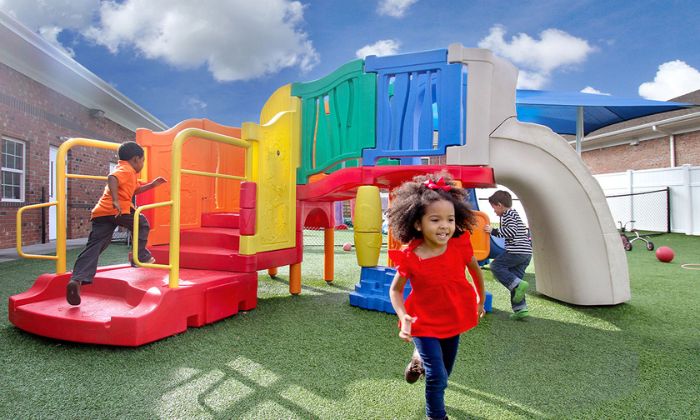
Understand Toddler Developmental Needs
Before diving into styles or colors, start by understanding what toddlers actually need at this crucial stage of growth. Play is how children learn it’s their job, their school, and their joy all rolled into one!
Physical Abilities
Toddlers build key motor skills such as balance, coordination, and grip strength during play. Choose equipment like low climbing steps, crawling tunnels, and mini monkey bars to support safe physical activity. These features promote hand-eye coordination and upper body strength, helping toddlers grow confidently and stay active while exploring their environment.
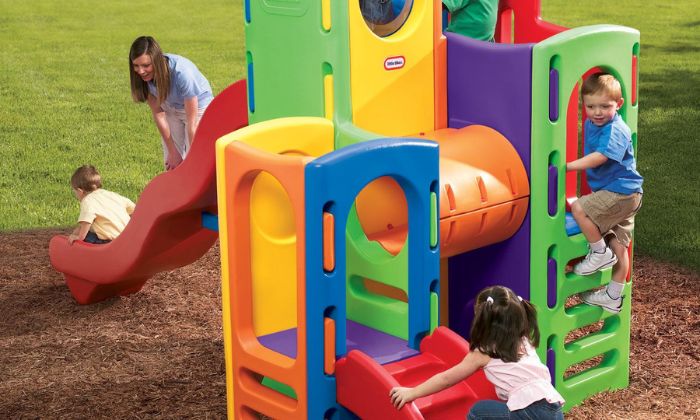
Cognitive and Emotional Development
Play equipment that encourages curiosity and problem-solving boosts toddlers’ cognitive and emotional growth. Activities like sorting, stacking, and role play help develop imagination, critical thinking, and emotional expression. These playful experiences lay the foundation for learning and social skills, making playtime both fun and educational.
Social Interaction Opportunities
Playgrounds offer toddlers valuable chances to develop social skills like sharing, taking turns, and cooperating. Features like sand tables, group games, and double-seated swings encourage interaction, helping young children learn how to communicate and play with others in a natural, engaging environment. These early experiences lay the foundation for healthy social development and friendships.
Prioritize Safety Features
When choosing playground equipment for toddlers, safety should always come first, as young children are still developing balance and coordination and are more prone to falls and injuries. Equipment must meet strict toddler safety standards, incorporating features like rounded edges, non-toxic finishes, and low-height structures to minimize risks. It’s crucial to avoid any designs with gaps that could trap small fingers or heads, and to opt for soft, impact-absorbing surface materials such as rubber mats or padded flooring that cushion falls. Always select equipment that is certified by recognized safety bodies like ASTM, EN, or CPSC. Ultimately, prioritizing safety is not just a guideline, it’s a commitment to protecting children and offering peace of mind to parents.
Choose Age-Appropriate Equipment
When selecting playground equipment for toddlers, it’s essential to choose pieces that match their specific developmental stage, as one-size-fits-all solutions don’t work for young children. Equipment designed for older kids may demand physical or cognitive skills that toddlers haven’t yet developed, increasing the risk of accidents or frustration. To ensure both safety and engagement, opt for play structures labeled for toddlers or the 1–3 age group. Features like swings with harnesses, low slides, sensory panels, and soft climbing elements are ideal, as they support physical growth while keeping playtime fun, age-appropriate, and secure.
Focus on Versatility and Engagement
When choosing playground equipment for toddlers, it’s important to focus on versatility and engagement by selecting pieces that offer multiple ways to play within a single unit. Ideal equipment encourages various types of activities such as climbing, sliding, crawling, swinging, and role-playing, which not only keep toddlers entertained but also support their overall development. Features like interactive panels, steering wheels, and peek-a-boo windows stimulate imagination and extend playtime, helping children stay interested across multiple sessions. Since toddlers thrive on repetition, equipment that remains engaging over time allows them to build physical strength, enhance problem-solving abilities, and develop fine motor skills through consistent use.
Look for Durable and Weather-Resistant Materials
When choosing playground equipment, it’s essential to select materials that are durable and weather-resistant to ensure long-term value, especially for outdoor installations exposed to sun, rain, and fluctuating temperatures. Opting for rust-proof metals, high-quality plastics, or UV-treated wood helps prevent issues like fading, cracking, chipping, or heat damage. Indoor setups also benefit from sturdy materials; surfaces should be easy to clean and soft enough to handle frequent use without wearing down quickly. Investing in long-lasting materials not only preserves safety and appearance but also ensures children can enjoy the equipment for years to come.
Ensure Accessibility and Inclusivity
Ensuring accessibility and inclusivity in playground design means creating spaces where every child, regardless of physical or cognitive ability, can participate in the joy of play. Inclusive playgrounds feature thoughtful elements such as ramps, ground-level activities, and sensory play panels that welcome toddlers with varying needs. Adaptive equipment should be stimulating yet manageable, helping all children feel a sense of belonging and confidence. True inclusivity goes beyond trends; it’s a meaningful expression of compassion, acceptance, and community, beginning with how we design our play spaces.
Consider Available Space and Layout
When choosing playground equipment for toddlers, it’s important to carefully consider the available space and overall layout to ensure a safe and engaging environment. Start by measuring the area accurately and allowing enough clearance around each piece of equipment to prevent overcrowding and minimize the risk of accidents. In smaller or compact spaces, opt for multi-functional units or modular systems that maximize play opportunities without taking up too much room. Keep in mind that indoor and outdoor setups differ significantly in terms of size and layout requirements, so your planning should reflect the specific setting. A well-thought-out layout should also consider the flow of movement, making it easy for children to move freely and safely between equipment. This not only helps avoid collisions and congestion but also enhances the play experience by encouraging active exploration and interaction.
Check Manufacturer Credentials and Reviews
Before purchasing playground equipment, it’s essential to verify the manufacturer’s credentials and reputation. Ensure they follow recognized safety standards and hold relevant certifications for toddler use. Reading customer reviews and testimonials can give insight into the product’s durability, safety, and overall user satisfaction. If you’re buying for a commercial setting, asking for references from previous clients can provide added assurance. Trusted manufacturers typically offer warranties, installation assistance, and access to spare parts, demonstrating a commitment to quality that extends well beyond the initial sale.
Plan for Parental Supervision
Parental supervision remains essential even when the playground equipment is designed with maximum safety in mind, as toddlers are naturally curious and still developing an understanding of boundaries. To support this, it’s important to create comfortable seating areas with a clear view of all play zones, ensuring that parents can monitor their children easily. Providing shaded areas and adequate seating for both adults and children enhances comfort and encourages longer, more enjoyable visits. Clearly posting safety rules and age-appropriate guidelines helps guide both children and caregivers in safe play practices. Ultimately, when parents are actively involved, playtime becomes more than just recreation; it becomes a meaningful opportunity for bonding and creating lasting memories together.
Conclusion
Playground equipment for toddlers isn’t just about play, it’s about building the foundation of a child’s entire development. The right equipment helps young children grow stronger, think sharper, and connect deeper. It nurtures laughter, imagination, courage, and confidence.
By understanding their needs, prioritizing safety, embracing inclusivity, and planning with purpose, you’re doing far more than creating a play area. You’re giving toddlers a joyful, secure space to dream big even if they’re only two feet tall!
So whether you’re designing an indoor or outdoor setup, remember: choose with care, install with love, and watch them flourish. Because every giggle, every step, every tumble followed by a laugh it’s all worth it.