
Outdoor playground equipment has the extraordinary power to shape childhoods, bring communities together, and create unforgettable memories. Whether you’re a school administrator, a city planner, or a parent advocating for safer, smarter play areas, one thing is clear: outdoor playground equipment is more than just swings and slides. It’s about creating safe, inclusive spaces where children of all ages and abilities can thrive physically, emotionally, and socially.
In today’s fast-paced digital world, the value of outdoor play cannot be overstated. It’s a lifeline for child development, helping kids build confidence, develop social skills, and enjoy healthy movement. But not all playgrounds are created equal. To truly make an impact, playground designs must include a diverse range of equipment tailored for children of all abilities. From commercial playground structures to school yard play equipment, here’s a definitive guide to the Top 10 Outdoor Playground Equipment Must-Haves for Schools and Parks.
1. Swings: The Timeless Joyride
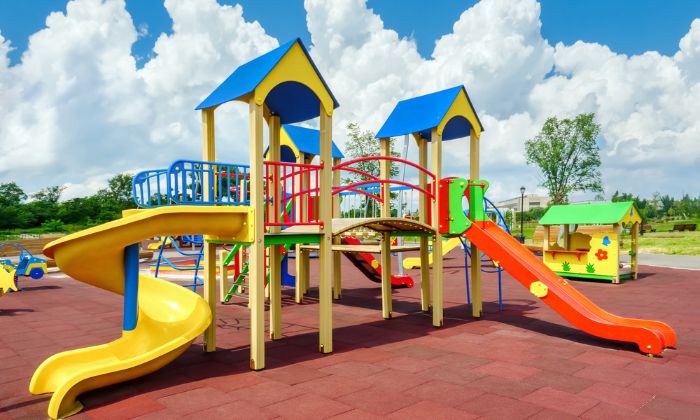
There’s something magical about a swing. That gentle arc through the air isn’t just fun, it’s a key piece of equipment that helps with balance, rhythm, and coordination. Swing sets are essential in every playground, providing joy and relaxation for kids of all ages.
Modern swing sets go beyond traditional belt swings. Inclusive options like bucket swings for toddlers and high-backed swings for children using mobility devices ensure that every child experiences the joy of soaring. When choosing swings, prioritize high quality materials and safety standards to guarantee durability and peace of mind.
Commercial playground equipment manufacturers now design inclusive playground features that make swinging accessible and enjoyable for everyone because no child should be left out of the fun.
2. Slides: Thrills that Teach Confidence
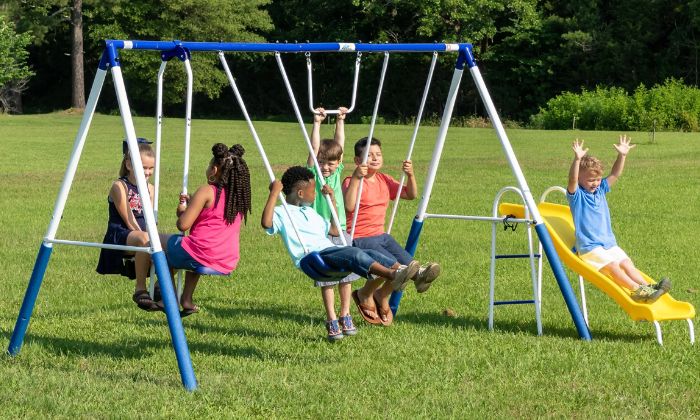
The squeals of delight echoing from the top of a slide? That’s childhood in full swing. Slides are more than just fast descents; they build confidence, teach risk assessment, and develop physical control.
Whether spiral, wave, or straight, slides are essential play structures that encourage kids to face their fears and enjoy victory at the bottom. Look for slides made from UV-resistant, durable materials that can withstand all seasons, a staple for any durable outdoor playsets in parks or schools.
Pairing slides with climbing structures adds challenge and fun, creating dynamic play experiences children will come back to again and again.
3. Climbing Structures: Building Strength and Problem-Solving
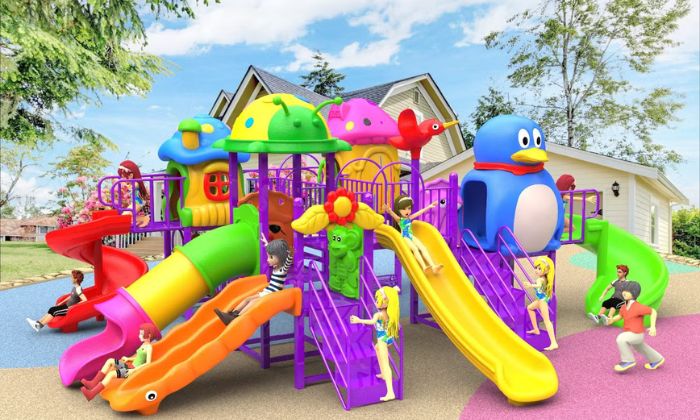
Climbing is instinctive. From the moment toddlers learn to stand, they begin climbing everything in sight. That’s why well-designed climbing structures are a must in any outdoor play space.
These structures develop gross motor skills, problem-solving abilities, and muscle coordination. Net climbers, rock walls, spider webs, and towers challenge kids to reach new heights literally and figuratively.
Good playground designs encourage safe exploration while building strength and resilience. Make sure the climbing structure supports children of all abilities by including ramps, hand grips, and graduated challenges.
4. Monkey Bars and Overhead Ladders: A Playground Classic
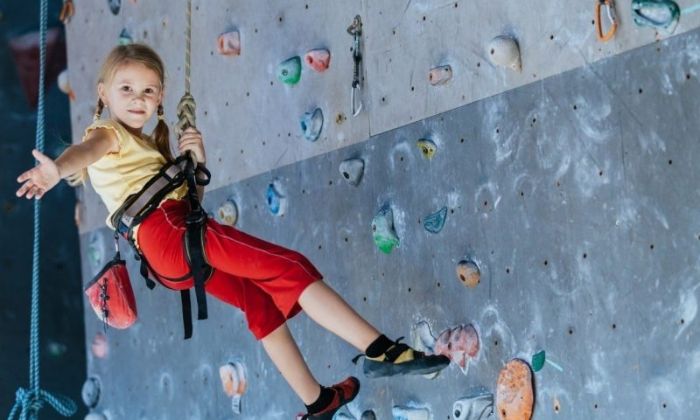
Monkey bars test upper body strength, grip, and endurance. But they also build more than just muscles; they boost determination, perseverance, and self-trust.
Kids love the challenge of reaching from bar to bar, and these play structures offer the perfect opportunity for peer support and social interaction. Encourage design that incorporates both lower and higher bars to cater to a wide range of ages and abilities.
Incorporate inclusive playground design principles by adding nearby platforms or transfer points, ensuring that everyone has a way to engage with the structure.
5. Seesaws and Rocking Equipment: Shared Joy and Teamwork
Few things promote balance, rhythm, and social skills like a seesaw. It takes two to ride, which naturally fosters communication, cooperation, and fun.
Modern seesaws have evolved. Now, they often include springs for smoother motion or allow multiple riders at once. Even rocking equipment like spring riders and animal-shaped rockers add excitement to a playground while being gentle on developing joints.
Ensure these features follow all safety standards and are age-appropriate. And for inclusive playgrounds, look for designs that allow children using mobility devices to participate too.
6. Merry-Go-Rounds or Spinners: Motion That Sparks Laughter
Spinning is one of those exhilarating experiences that light up a child’s face. But it’s also a powerful tool for developing balance and spatial awareness.
Traditional merry-go-rounds have been transformed into safer, more inclusive options. Park and recreation installations now feature low-profile spinners with space for multiple children, including those with mobility limitations.
These encourage cooperative play and build a sense of unity in diverse groups. It’s a must-have for any space that aims to design inclusive playground experiences.
7. Balance Beams and Stepping Stones: Coordination in Every Step
These deceptively simple tools are invaluable for building motor skills and physical confidence. Balance beams and stepping stones challenge children to think ahead, use their core muscles, and practice agility.
They come in many forms: wooden logs, plastic pods, rubber trails and can be incorporated into both quiet zones and active circuits. They fit seamlessly into both schoolyard play equipment and commercial playground structures alike.
Add them alongside other play structures to create interactive paths that tell a story or lead to hidden surprises like tunnels or hideouts.
8. Playhouses and Imaginative Play Zones: Fueling Creativity
Every child needs a space to pretend, imagine, and create stories. Playhouses, castles, storefronts, and role-play stations offer magical escapes where children become superheroes, chefs, explorers, or kings and queens.
These zones nurture social skills, storytelling, and emotional intelligence. They’re also key to supporting neurodivergent children who thrive in low-stimulation, imaginative environments.
Choose elements that are colorful, engaging, and safe. When outdoor playground equipment includes imaginative elements, it becomes a place where kids dream big and believe those dreams are possible.
9. Sensory Play Equipment: Engaging All the Senses
Sensory play is essential for early child development and especially beneficial for children with autism or sensory processing differences. Sensory panels, textured surfaces, musical instruments, and interactive boards stimulate touch, hearing, and visual senses.
Integrating sensory play equipment into your outdoor space isn’t just thoughtful, it’s crucial. It ensures your inclusive playground features cater to a broader range of needs and preferences.
These elements invite calm exploration and offer reprieve for kids who may be overwhelmed by more physically intense play areas.
10. Shaded Areas and Resting Zones: Because Every Hero Needs a Break
Play is thrilling, but rest is necessary. Resting zones, benches, and shaded areas give kids a place to recover, rehydrate, and recharge. This is especially important in warm climates where direct sun can pose risks.
Consider adding canopies, trees, or built-in pergolas to your outdoor playground equipment setup. This not only protects children but also invites caregivers, grandparents, and teachers to sit and engage, turning the playground into a true community space.
Resting areas also support social interaction, reflection, and emotional regulation often overlooked yet vital parts of a successful playground.
Conclusion
Choosing the right outdoor playground equipment isn’t just about ticking boxes. It’s about nurturing the hearts, minds, and bodies of the next generation. When you design with purpose integrating both traditional favorites and innovative, inclusive playground design you create a space where children of all abilities can play, grow, and belong.
From durable outdoor play sets that withstand years of joyful wear, to play experiences that teach empathy, confidence, and cooperation, every piece of equipment matters. Prioritize safety. Demand high quality. And above all, create with love.
Whether you’re planning a new schoolyard, upgrading park and recreation installations, or dreaming of an inclusive playground, let this top 10 list guide you. Because every child deserves the chance to play not just those who can run the fastest or climb the highest, but everyone.