
Outdoor playground equipment isn’t just about swings and slides, it’s about creating magical spaces where children laugh, explore, learn, and grow together. For any community, investing in the right play equipment is more than a design choice; it’s a commitment to childhood development, inclusivity, and the collective well-being of families. Whether you’re revitalizing a neighborhood park or building a new one from scratch, making informed and heartfelt decisions can transform your play area into a vibrant hub of joy and social connection.
In this detailed guide, we’ll explore how to choose the perfect outdoor playground equipment for your community, ensuring it’s safe, fun, inclusive, and built to last.
Assessing Community Needs
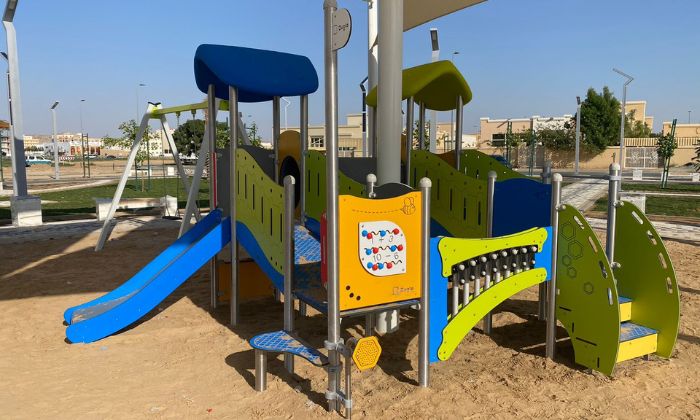
The first and most essential step in choosing outdoor playground equipment is understanding the unique needs of your community. Every community is different; some have more toddlers and young families, others may need accessible options for children of all abilities, and some may prioritize high-energy spaces for older kids and teens.
Conduct surveys, host community meetings, and speak with parents, teachers, and local leaders. Ask questions like:
- What play activities are missing in our area?
- Are there children with physical, sensory, or developmental challenges?
- Is there a demand for quiet, sensory-rich areas?
- Do residents prefer natural themes or more urban playground designs?
Involving the community early builds trust and ensures the play area will reflect their hopes, values, and daily lives.
Prioritizing Safety and Compliance
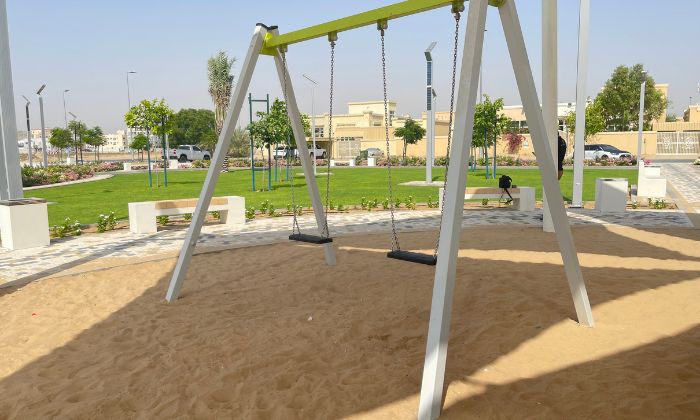
A playground should be a space of adventure, not danger. Adhering to safety standards for playgrounds is non-negotiable. Equipment must meet national and international safety guidelines like ASTM, EN, or CPSC standards. This includes proper safety surfacing, sturdy railings, impact-tested materials, and layouts that minimize entrapment and collision risks.
Don’t forget to:
- Choose the correct surface material like poured-in-place rubber, engineered wood fiber, or rubber tiles.
- Maintain clear zones between play structures to prevent overcrowding.
- Install shade structures to protect kids from harmful UV rays and reduce equipment heat.
A safe playground doesn’t just prevent injuries, it gives parents peace of mind and helps children play with confidence.
Age-Appropriate and Inclusive Design
Children play differently depending on their age group, and a truly great playground recognizes that. Age-appropriate equipment ensures each child can engage in activities that challenge them just enough to encourage growth without frustration or risk.
Separate zones are ideal:
- Toddlers need low platforms, easy climbers, and interactive panels.
- Preschoolers love pretend play, mini slides, and small climbing areas.
- Older kids thrive on challenges like tall towers, zip lines, and obstacle courses.
But the most inspiring playgrounds go beyond age; they embrace inclusive playground design. Every child, regardless of ability, should feel welcome and valued.
Incorporate:
- Ramps and wide platforms for wheelchair users.
- Ground-level play activities for children with mobility limitations.
- Sensory-rich features like musical instruments, textured panels, and quiet zones.
- Visual and tactile cues for children with autism or sensory processing challenges.
Inclusive play structures aren’t just accessible, they’re transformative. They nurture empathy, encourage social interaction, and celebrate diversity.
Space and Site Considerations
Before you dive into colors and features, study your site. The land you build on directly influences your playground designs and layout possibilities.
Consider:
- Size and shape of the area.
- Sun exposure (for placement of shade structures).
- Drainage and soil stability.
- Accessibility from parking lots, paths, or restrooms.
- Visibility for adult supervision.
A well-thought-out layout ensures a seamless flow of play experiences and helps prevent congestion. For tight urban parks, opt for vertical play structures that maximize space without sacrificing fun.
Choosing Durable and Weather-Resistant Materials
Playgrounds live outdoors year-round, enduring rain, sun, snow, and the excited energy of dozens of children. Choosing durable outdoor play materials is key to longevity and safety.
High-quality materials include:
- Galvanized or powder-coated steel for structure frames.
- UV-protected plastics for slides and interactive panels.
- Rot-resistant wood (like cedar or redwood) for natural aesthetics.
- Stainless steel hardware and vandal-resistant fasteners.
Look for vendors who offer warranties and conduct rigorous material testing. Investing in quality materials now saves on costly repairs and replacements later.
Budget Planning and Funding Options
Your dream playground doesn’t have to stay on paper due to budget limitations. With smart planning and creativity, you can stretch your funds without compromising quality or safety.
Start by:
- Determining your total project budget, including equipment, installation, surfacing, landscaping, and ongoing maintenance.
- Prioritizing features based on community park design goals and survey feedback.
- Exploring grants from playground foundations, health organizations, or corporate sponsors.
- Organizing local fundraisers, donation drives, or “buy-a-brick” campaigns.
- Asking vendors about leasing options, phased installations, or budget-friendly kits.
Transparency and resourcefulness can turn your vision into a reality faster than you think.
Customization and Theming
Want to turn your play area into a castle, jungle, pirate ship, or space station? Outdoor playground equipment is more engaging when it tells a story or reflects local culture.
Customized theming can:
- Spark children’s imaginations.
- Encourage role play and creative thinking.
- Reflect regional history, flora, or community landmarks.
- Make your park a destination and photo hotspot.
You can even incorporate cultural motifs or multilingual signage to promote diversity and belonging. Themed inclusive playgrounds can be both beautiful and functional, inspiring joy for years to come.
Vendor Selection and Installation
Choosing the right vendor isn’t just about who offers the lowest quote. You’re looking for a partner who shares your values and will guide you from concept to completion.
Ask potential vendors:
- Do they specialize in inclusive playground design?
- Can they show examples of past projects with similar community goals?
- Do they offer safety certifications and warranties?
- How do they manage timelines and handle on-site obstacles?
Professional installation is just as important as design. Poorly installed play equipment can be hazardous, no matter how well it’s built. Go with experienced contractors who understand local regulations and safety standards.
Community Involvement and Feedback
The most beloved parks are those that feel like they belong to everyone. Engage your community before, during, and after the project. Let families vote on equipment options, paint murals, or name different areas of the playground.
After installation, keep the conversation going:
- Collect feedback through online polls or suggestion boxes.
- Monitor how each age group uses the space.
- Host seasonal events to keep energy and awareness high.
- Conduct regular maintenance inspections and post updates.
When families feel heard and involved, they’re more likely to respect and care for the space long-term.
Conclusion
Choosing the right outdoor playground equipment is an exciting journey that blends imagination, empathy, practicality, and purpose. It’s about more than just slides and swings, it’s about creating a safe, inclusive, and joyful space where children of all backgrounds, ages, and abilities can thrive.
When you assess your community’s unique needs, prioritize safety standards, honor inclusive playground design, and invest in quality play structures, you build something extraordinary, something that echoes with laughter, inspires creativity, and strengthens bonds for generations to come.
Now is your chance to bring your community’s vision to life. Whether you’re a parent, planner, or passionate volunteer, your choices today can craft play areas that invite physical activity, spark adventure, and ensure every child regardless of ability gets the magical play experiences they deserve.