
Installing themed playground equipment is more than just adding colorful play structures to a park or school. It’s about creating magical play spaces that ignite imagination, promote physical activity, and provide a safe, inclusive environment where children of all abilities can laugh, explore, and grow. Themed playgrounds have the power to transport children to castles, pirate ships, jungle adventures, and space stations, turning ordinary play areas into extraordinary worlds. But to create such captivating and functional playgrounds, careful planning and thoughtful design are essential.
Whether you’re a school administrator, city planner, or part of a community group looking to transform a local park, here’s what you must consider to ensure your playground isn’t just exciting but also safe, durable, inclusive, and accessible for all.
Understanding the Purpose and Theme
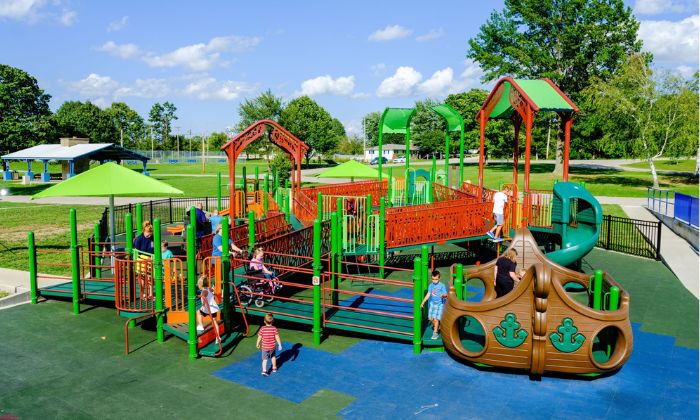
Before diving into the playground equipment catalog, start by asking: What story do you want the playground to tell? Is it a jungle adventure, an underwater world, a pirate ship, or a fairy tale castle? Themed playground equipment should connect with the community’s identity and excite the children who will use it.
A well-chosen theme enhances the play experience, draws families in, and encourages repeat visits. More importantly, understanding the playground’s purpose—whether it’s to promote social play, encourage physical challenges, or simply create a beautiful landmark—will guide every decision that follows. Playground designers can help you tailor the theme to suit your space, budget, and community goals.
Safety Standards and Regulations
Playground safety standards must always come first. Creating a visually stunning play area means nothing if it puts children at risk. Each piece of equipment should comply with the Consumer Product Safety Commission (CPSC) guidelines and local safety regulations. These standards ensure that the play structures reduce the risk of falls, entrapments, and other injuries.
Proper safety surfacing under and around play elements is critical. Materials like engineered wood fiber, rubber tiles, or poured-in-place rubber help absorb impact and cushion falls. Never cut corners on safety surfacing—it’s one of the most effective ways to protect children from harm.
Working with experienced playground designers who understand safety requirements will ensure the entire project meets or exceeds safety standards, giving parents and caregivers peace of mind while their children play freely.
Age-Appropriate Design
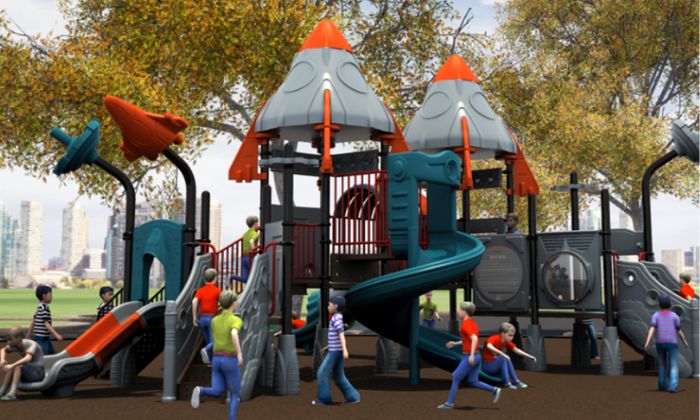
Not all play structures are suitable for all ages. A playground should offer a variety of age-appropriate playground designs that cater to toddlers, preschoolers, and older kids. Each age group has different abilities, interests, and safety needs.
For example:
- Toddlers need low platforms, gentle slides, and sensory-rich activities.
- Preschoolers thrive with moderate climbing challenges, interactive panels, and imaginative spaces.
- Older kids seek thrilling play elements like tall climbing nets, fast slides, and more complex obstacle courses.
Separating areas based on age helps reduce the risk of injuries and ensures children can safely explore equipment that matches their developmental stage. A well-planned play area invites children to build confidence and skills at their own pace.
Durability and Material Selection
Themed playgrounds must stand the test of time. Selecting durable playground materials is essential to withstand the harsh effects of weather, constant use, and enthusiastic play. Metal, high-density polyethylene, treated wood, and UV-resistant plastics are commonly used to create long-lasting, safe equipment.
Outdoor play structures face heat, rain, wind, and heavy foot traffic. Choosing high-quality, weather-resistant materials not only extends the playground’s lifespan but also reduces long-term maintenance costs. Low-quality materials may fade, crack, or become unsafe over time, disrupting the play experience and increasing liability.
Consult with playground designers who can recommend the best materials for your specific climate and community needs.
Inclusivity and Accessibility
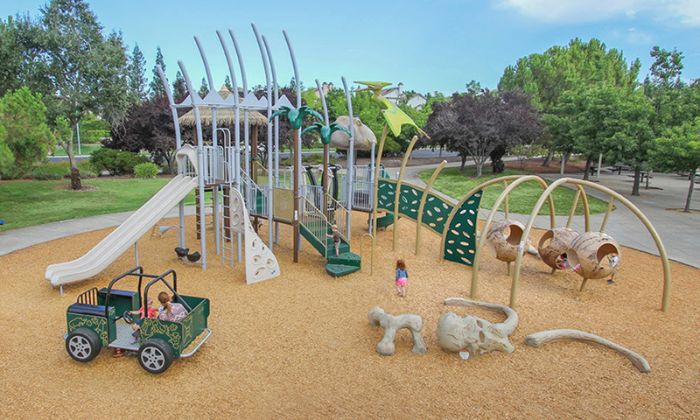
Every child deserves to play. A modern, community-centered playground should incorporate inclusive playground equipment that welcomes children of all abilities, including those using mobility devices.
Inclusive play equipment features ramps, transfer stations, sensory panels, and ground-level play elements that enable children of all abilities to interact, explore, and enjoy the play space together. This not only promotes social inclusion but fosters empathy and understanding from an early age.
Consider adding:
- Smooth pathways for wheelchairs
- Wide transfer platforms
- Multi-sensory experiences for children with visual or auditory impairments
- Quiet zones for children who need a calming retreat
By creating inclusive play opportunities, you ensure that the joy of play is shared by everyone, regardless of physical or cognitive differences.
Space Planning and Layout
An exciting playground is not just about individual pieces of equipment; it’s about how the entire play area comes together. Thoughtful space planning and layout are crucial for creating an engaging, easy-to-navigate environment.
Here’s what to consider:
- Clear sightlines for supervision
- Logical flow between activities
- Adequate spacing to prevent overcrowding
- Accessible paths for mobility devices
- Separation of active and quiet play zones
Incorporate a mix of open areas, climbing structures, and cozy spots to cater to a variety of play styles. An effective layout enhances safety, supports independent exploration, and encourages imaginative play.
Maintenance and Upkeep
Even the most beautifully installed themed playground equipment will quickly lose its charm if it falls into disrepair. Understanding the maintenance requirements for playgrounds is essential for long-term success.
Regular inspections, cleaning, and repairs should be part of your operational plan. Focus on equipment that offers easy access to parts and minimal specialized maintenance. Durable materials help, but all playgrounds need:
- Frequent surface checks
- Timely replacement of worn parts
- Monitoring of safety surfacing for damage
Without proper upkeep, wear and tear can compromise safety and diminish the play experience. A neglected playground can quickly become unsafe and unappealing. Protect your investment by budgeting for ongoing maintenance from the start.
Community Engagement and Feedback
The best playgrounds are built with the community, not just for the community. Engage parents, teachers, and especially children during the planning phase to gather insights and preferences.
Ask questions like:
- What themes excite the children?
- What types of play elements do parents value most?
- Are there existing barriers that limit access to play?
Community feedback ensures that the playground meets local needs and creates a sense of ownership. When families feel they’ve had a voice in the design, they’re more likely to use and take pride in the space.
Consider hosting design workshops, surveys, or open forums to involve stakeholders at every step.
Cost Considerations and Budgeting
Building an extraordinary playground doesn’t come cheap, but smart budgeting makes it achievable. Understand that costs go beyond just themed playground equipment. You’ll need to account for:
- Site preparation
- Safety surfacing
- Installation labor
- Permits and inspections
- Long-term maintenance
Plan for both initial expenses and future upkeep to ensure the playground remains safe and beautiful for years to come.
Balancing your wish list with financial reality is critical. Work with playground designers who can help you prioritize must-have elements and find creative solutions to maximize your budget without compromising on safety or play value.
Grants, fundraising, and community partnerships can also help bridge financial gaps and build community investment in the project.
Conclusion
Installing themed playground equipment is a powerful way to create magical, inclusive, and memorable spaces where children can explore, grow, and simply be themselves. But beyond the visual appeal, it requires careful consideration of playground safety standards, age-appropriate playground design, durable playground materials, inclusive play equipment, and the maintenance requirements for playgrounds.
Every decision—from selecting the right play structures to ensuring accessibility for children using mobility devices—shapes the experience and safety of young explorers. By prioritizing thoughtful planning, community engagement, and long-term care, you can create a play area that not only sparks joy but also stands as a cherished landmark for generations.
Start your journey with intention. Build with purpose. And remember: Installing themed playground equipment isn’t just about putting up swings and slides—it’s about crafting unforgettable stories, fostering connection, and creating a world where every child belongs.