
Playgrounds are an essential part of a school’s learning and development environment. They offer students opportunities to grow physically, socially, and emotionally through structured and unstructured play. From elementary schools to middle schools, the right school playground equipment encourages physical activity, builds teamwork, and nurtures creativity.
In this guide, we’ll explore the different types of school playground equipment, ideas for designing effective playgrounds, and factors schools should consider when selecting equipment especially for outdoor, wooden, and safe-use applications.

What is School Playground Equipment?
School playground equipment refers to the physical structures installed in schoolyards for play and physical activity. These can range from simple climbing frames to more complex play systems involving slides, bridges, tunnels, swings, and interactive panels.
Whether it’s in a small private primary school or a large commercial campus, this equipment supports a child’s development in multiple ways by improving motor skills, encouraging social interaction, and promoting physical fitness.
Types of School Playground Equipment
Wooden Playground Equipment
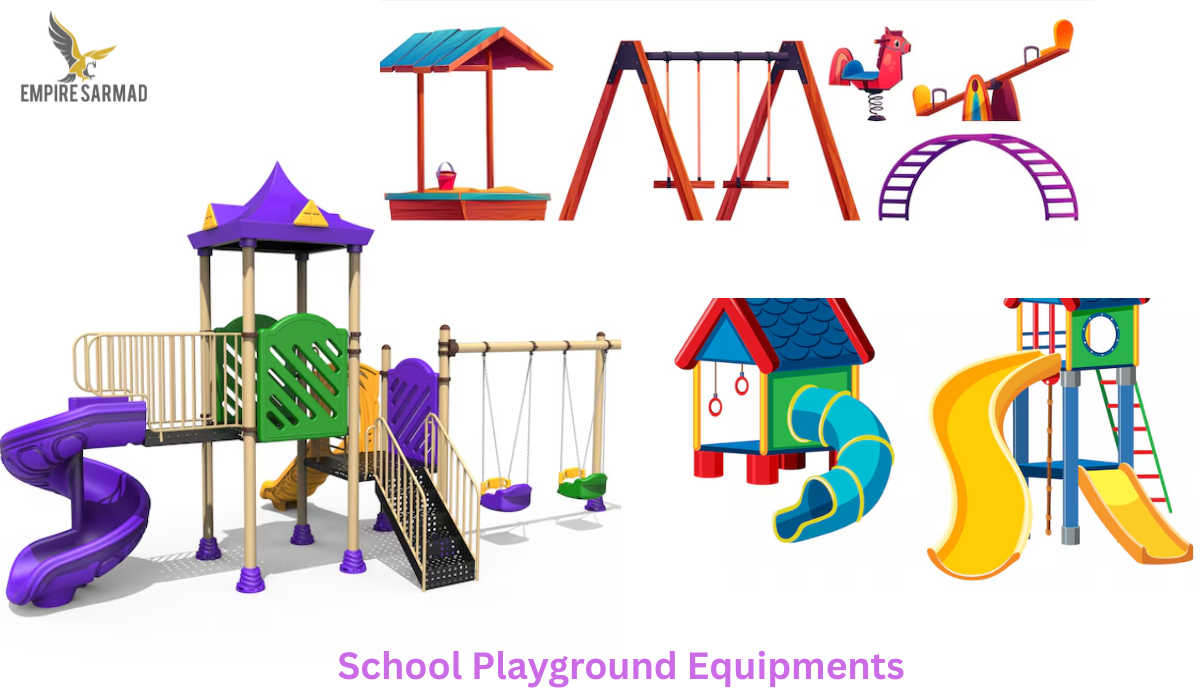
Wooden playground equipment offers a natural, aesthetic appeal while providing durability when treated correctly. Many schools choose wood for its classic look and because it blends easily into green or landscaped environments.
Popular wooden structures include:
- Climbing frames with rope bridges
- Wooden balance beams
- Treehouse-inspired platforms
These installations are commonly seen in schools that emphasize nature-based play or outdoor learning.
Outdoor Playground Equipment
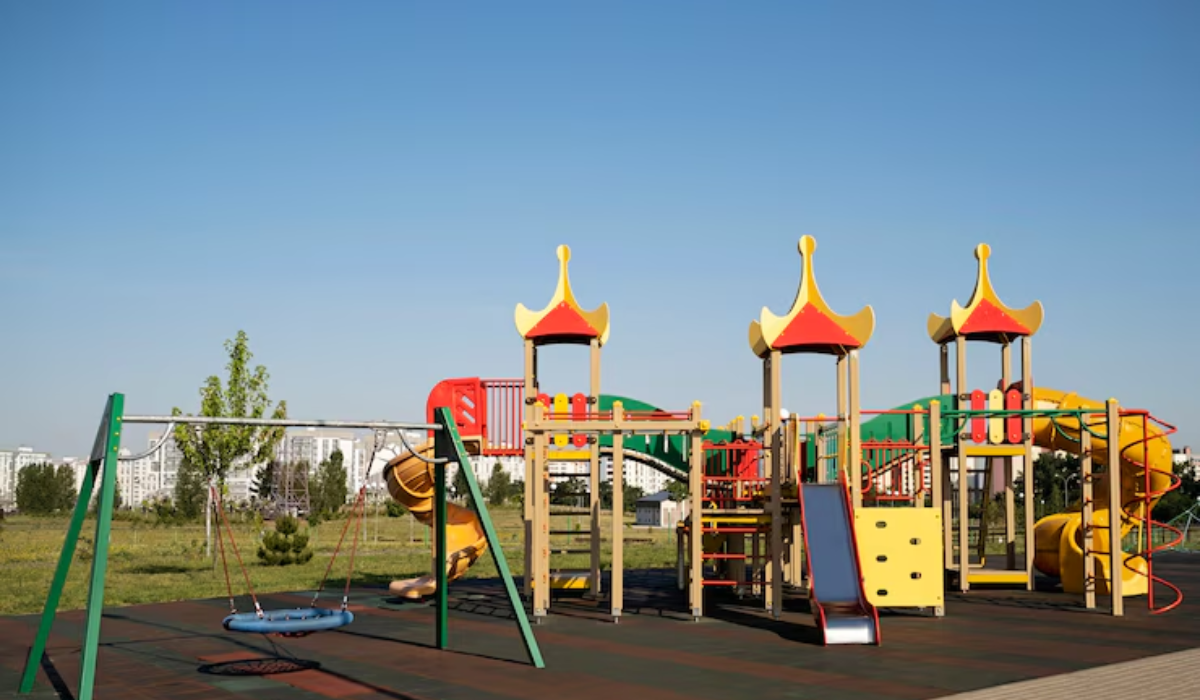
Outdoor playground equipment is specifically designed to withstand weather elements while ensuring the safety and enjoyment of children. Materials like metal, treated wood, and heavy-duty plastic are often used.
Typical features include:
- Modular climbing units
- Slides and swing sets
- Jungle gyms and obstacle courses
Such equipment must comply with safety standards to prevent wear-and-tear-related accidents, especially in climates with intense heat or rain like in many parts of the UAE.
Safe Playground Equipment for Schools
Safety is a core requirement for school playground equipment. Regardless of material or type, all structures must be age-appropriate, have non-toxic surfaces, and include features that reduce injury risks.
Common safety measures include:
- Rounded edges
- Slip-resistant surfaces
- Guardrails for elevated areas
- Soft ground surfaces (rubber mats or turf)
A focus on safety ensures that the playground remains a space for fun and development without added risks.
School Playground Equipment by Grade Level
Primary and Elementary Schools
Younger children require equipment that matches their size and coordination level. Structures for these age groups tend to focus more on imaginative play and basic physical skills.
Examples:
- Low-height slides
- Playhouses
- Interactive panels with numbers, colors, or letters
The aim is to combine physical activity with educational elements in a playful setting.
Middle Schools
Older students need equipment that challenges their strength, balance, and coordination. Schools often install more advanced features to support these developmental stages.
Examples:
- Monkey bars and climbing walls
- Fitness stations
- Running tracks or sports courts
This type of equipment not only supports physical education but also promotes independent activity during breaks.
Cheap and Used School Playground Equipment
Budget-Friendly Options
Schools with tight budgets can still provide quality play experiences. Cheap playground equipment doesn’t mean low quality it often means selecting modular units or fewer elements that can be expanded later.
Cost-saving tips:
- Prioritize core items like swings and slides
- Choose metal over wood for durability in high-heat areas
- Start with a smaller area and add more features over time
Used Playground Equipment
Used school playground equipment can be a cost-effective solution when selected and inspected carefully. These items should undergo rigorous checks to ensure:
- No missing or broken parts
- Compliance with updated safety standards
- Structural stability
When refurbished properly, secondhand items can serve a school for years to come.
Commercial Playground Equipment in Schools
Commercial-grade playground equipment is designed to handle frequent use by many children at once. It is commonly used in schools, parks, and other high-traffic areas.
Key features:
- Reinforced materials and bolts
- Modular structures for expansion
- Designed for both free play and structured activities
Though often more expensive, commercial-grade options offer long-term value through reduced maintenance and increased durability.

Playground Equipment in the UAE
In the UAE, school playgrounds equipments must be built to accommodate high temperatures, direct sunlight, and sand exposure. Therefore, materials and design choices are influenced by the environment.
Popular trends in UAE school playgrounds:
- Shaded play areas
- Heat-resistant plastic and coated metals
- Indoor play zones for extreme weather days
Regions like Dubai have embraced innovative playground layouts, combining traditional play elements with learning tools and soft flooring materials.
Special Needs and Inclusive Equipment
Playgrounds must be inclusive to serve every child. Special school playground equipment helps children with physical, sensory, or cognitive challenges participate fully in play.
Inclusive features may include:
- Wheelchair-accessible ramps
- Sensory panels
- Adaptive swings
- Wide pathways
Designing with inclusion in mind ensures that no student is left out of the benefits of school play.
Creative School Playground Equipment Ideas
Every school can design its playground based on educational values and available space. Creative playground equipment ideas bring a fresh perspective to traditional setups.
Ideas include:
- Themed zones (jungle, castle, space)
- Musical play panels
- Outdoor chalkboards or art stations
- Nature-inspired climbing structures
These additions make playgrounds more than just areas for physical activity they become spaces for learning and imagination.
Suggested School Playground Equipment List
A well-rounded playground should include equipment that addresses different types of play: physical, social, imaginative, and cognitive.
Here is a basic equipment list for school playgrounds:
| Equipment Type | Example Features |
| Climbing Structures | Rock walls, ladders, rope nets |
| Movement Equipment | Slides, swings, tunnels |
| Balance & Coordination | Stepping stones, balance beams, seesaws |
| Imaginative Play | Playhouses, themed panels, role-play areas |
| Sensory Features | Sand tables, musical walls, interactive panels |
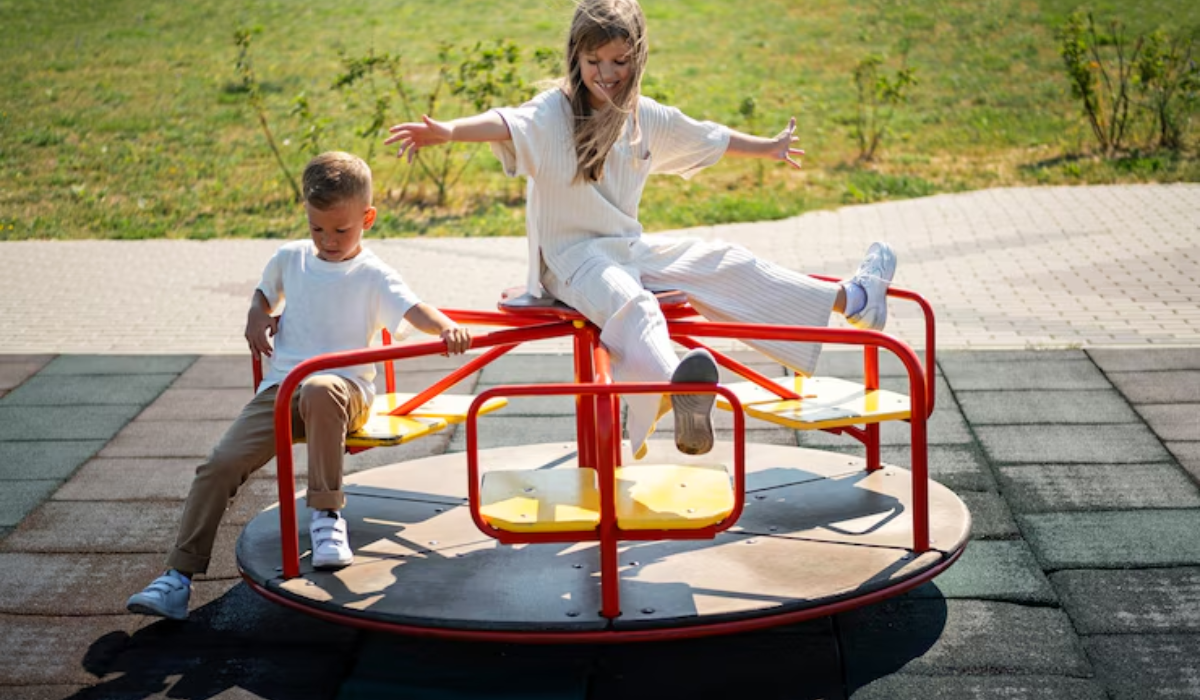
| Group Activities | Roundabouts, group swings, large nets |
Schools can customize based on the age group, available area, and educational objectives.
Planning and Funding Considerations
Planning a school playground involves more than selecting equipment. Schools must also consider:
- Space availability
- Age range of users
- Budget constraints
- Safety regulations
Funding for school playgrounds may come from:
- Internal school budgets
- Parent-teacher associations
- Local fundraising events
- Education grants or playground funds
Some schools begin with basic setups and add features gradually as funds become available.
Conclusion
Choosing the right playground equipments for a school involves balancing safety, age-appropriateness, material quality, and cost. Whether you opt for wooden structures, commercial-grade units, or low-budget equipment, the goal remains the same: to create a space that helps children grow physically, socially, and emotionally.
From fun ideas to inclusive features, schools have many options for developing playgrounds that reflect their community and learning values.