
Play is a vital part of childhood development, and the right play equipment can make a huge difference in how children grow, learn, and stay active. While both indoor and outdoor play equipment aim to engage children in physical and mental activities, they differ significantly in design, purpose, and use. Understanding the differences between the two can help parents, educators, and planners make better decisions.
Understanding Indoor Play Equipment
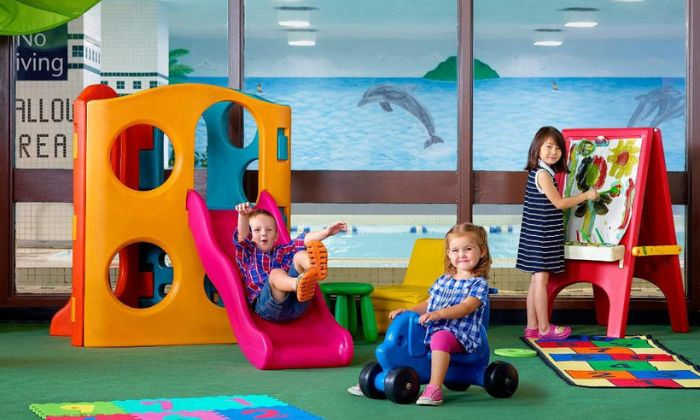
Indoor play equipment is specifically designed for enclosed environments such as homes, childcare centers, preschools, and indoor play gyms. It typically features soft, padded materials and rounded edges to minimize injury risks, making it ideal for younger children. This equipment is often compact in size to accommodate limited indoor spaces and may include items like foam climbers, ball pits, mini slides, tunnels, and interactive panels. Many indoor sets are modular and lightweight, allowing easy reconfiguration and storage. Additionally, they focus on stimulating fine motor skills, imaginative play, and social interaction in a controlled, weather-independent setting.
Key Features of Indoor Equipment
- Compact Design: Indoor play equipment is typically smaller and modular, making it ideal for limited spaces.
- Soft Materials: Equipment like indoor soft play equipment and indoor play gym equipment often uses foam, plastic, and rubber to ensure safety.
- Age-Specific Options: You’ll find specialized types like toddler indoor play equipment and preschool indoor play equipment to match different developmental stages.
- Multi-Functional Use: Many setups combine slides, ball pits, and climbing structures in a single unit, suitable for children’s play areas at home or in centers.
Indoor playgrounds also offer benefits like climate control, year-round use, and easy supervision. They are particularly popular in urban environments where outdoor space is limited.
Exploring Outdoor Play Equipment
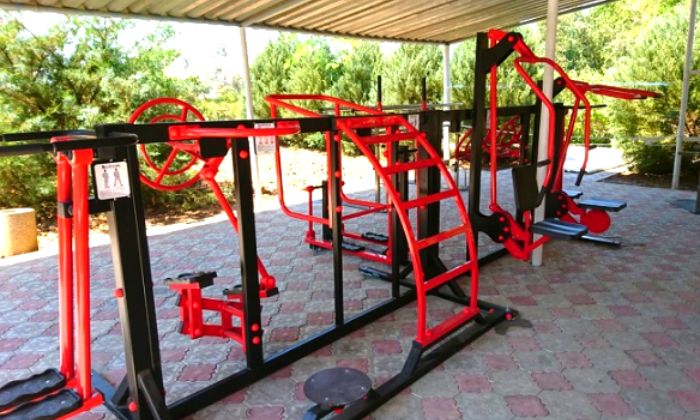
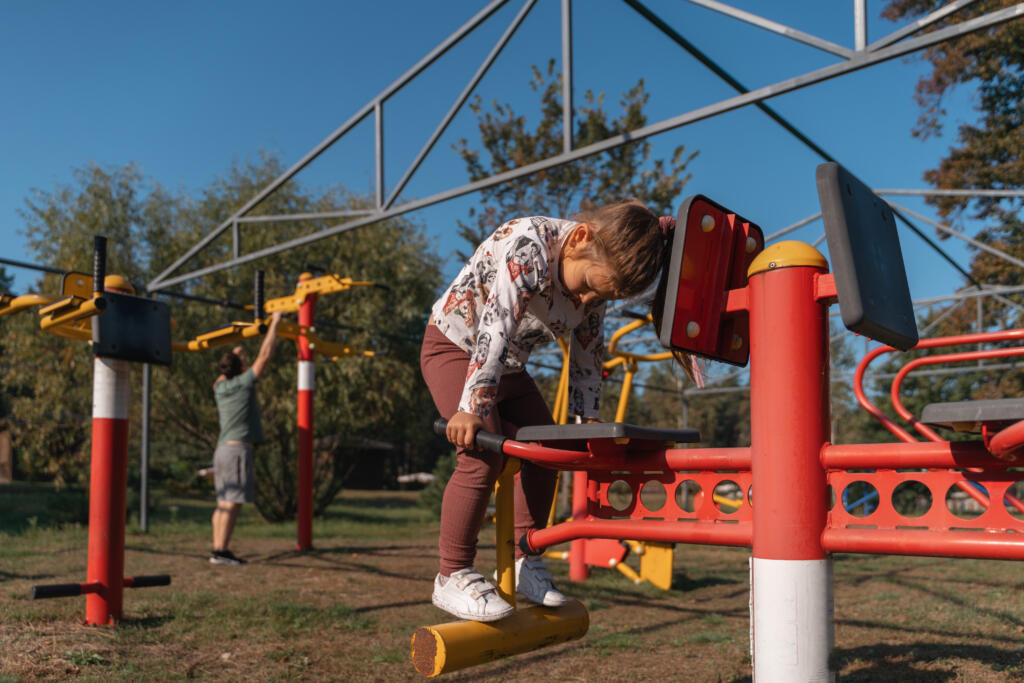
Outdoor play equipment is designed for open-air environments such as parks, gardens, schoolyards, and playgrounds. These setups are typically larger in scale and constructed from durable materials like treated wood, galvanized steel, or weather-resistant plastic to endure sun, rain, and heavy use. Common features include swings, slides, climbing frames, monkey bars, balance beams, and fitness stations, all aimed at encouraging physical activity, gross motor development, and teamwork. Outdoor equipment also supports adventurous and energetic play, helping children build strength, coordination, and confidence while interacting with natural elements and open spaces.
Key Features of Outdoor Equipment
- Durable Materials: Outdoor play equipment uses metal, treated wood, and UV-resistant plastic for longevity.
- Larger Scale Structures: From swings and climbing walls to outdoor play structures, this equipment caters to group play and high activity levels.
- Natural Integration: Many systems are designed to complement natural surroundings, such as natural outdoor play equipment or wooden outdoor play equipment.
- Creative Play Opportunities: Outdoor setups often include sensory-rich elements like sandboxes and musical instruments for outdoor musical play.
Outdoor equipment also encourages physical exertion, social interaction, and appreciation for nature, which are all essential for balanced development. Explain indoor and outdoor play equipment.
Indoor vs Outdoor Play Equipment: A Comparison
| Feature | Indoor Play Equipment | Outdoor Play Equipment |
| Location | Enclosed spaces (homes, childcare centers) | Open-air spaces (parks, schools, backyards) |
| Material | Soft foam, plastic, padded | Wood, metal, UV-resistant plastic |
| Design | Compact, modular | Large-scale, weather-resistant |
| Safety | Cushioned, low-height elements | Requires supervision, sometimes elevated |
| Customization | Easily adjustable or portable | Fixed, requires installation |
| Usage Time | Usable year-round, regardless of weather | Depends on weather conditions |
| Target Age | Toddlers to early childhood | All ages, especially older children |
Benefits of Indoor Play
Indoor environments provide a safe and controlled atmosphere, especially for younger children or toddlers. Kids can enjoy activities without exposure to harsh sunlight or unpredictable weather. Indoor play equipment for child care centers often supports cognitive and sensory development through structured setups.
Some of the most popular features include:
- Indoor play area equipment with foam pits or obstacle courses.
- Children’s indoor play equipment tailored for imaginative play.
- Multi-use indoor play gym equipment that promotes physical activity indoors.
Advantages of Outdoor Play
Outdoor play brings a different dimension to child development. It enhances physical strength, coordination, and social skills. Outdoor play equipment for schools often encourages teamwork and exploration.
Notable advantages include:
- Exposure to fresh air and sunlight.
- Opportunities for group play and physical challenges.
- Use of natural elements like grass, wood, or sand for sensory development.
Outdoor sensory play equipment and adventurous setups like climbing towers or rope bridges stimulate creativity and risk-taking in a natural environment.

Choosing the Right Equipment
When choosing between indoor and outdoor playground equipment, consider these factors:
- Available Space: Indoor setups are better for compact spaces, while outdoor equipment requires large open areas.
- Weather Conditions: Indoor equipment is ideal for places with extreme weather; outdoor equipment is better for moderate climates.
- Age of Children: Toddlers benefit more from cushioned, low-height indoor equipment, while older kids thrive with challenging outdoor play options.
- Maintenance Needs: Outdoor playground maintenance is generally more intensive due to exposure to elements.

Conclusion
Both indoor and outdoor play equipment have unique benefits, and often, the best approach is to incorporate a balance of both. Indoor play areas offer safety and convenience, while outdoor environments foster physical growth and exploration.
Understanding the difference between indoor and outdoor play equipment helps in creating better play spaces that support a child’s holistic development—physically, mentally, and socially.