
In today’s fast-paced world, where children are glued to screens and outdoor space is becoming scarce, Indoor Play Equipment has emerged as a lifesaver for parents who want their kids to stay active, creative, and engaged. But what if you live in a small apartment or don’t have a dedicated playroom? You don’t need a sprawling space to build a fun, safe, and imaginative play area. With smart planning and a sprinkle of creativity, you can design an indoor wonderland even in the tiniest of rooms.
Whether you’re a parent wanting to keep your toddlers busy or a caregiver looking to boost children’s motor skills and problem-solving skills, this guide will walk you through brilliant space-saving play solutions that turn your limited floor plan into a thriving hub of active play and imagination.
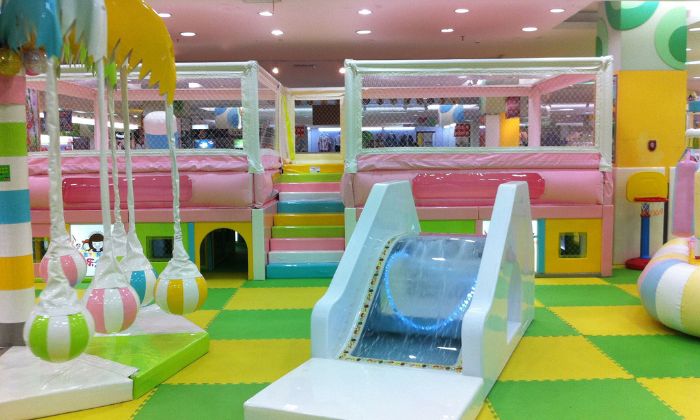
Key Considerations Before Building
Before you start drilling into walls or browsing through plywood options, it’s essential to consider a few things to ensure that your DIY indoor play project is safe, durable, and actually useful.
Age and Safety Requirements
Every child plays differently depending on their age. Toddlers need cushioned flooring, rounded edges, and soft play equipment that promotes crawling, grabbing, and gentle climbing. Older kids crave challenges, think obstacle courses, rope climbing, or mini climbing walls. Always plan your DIY setup around the specific age group to reduce risks and enhance the play experience.
Material Choices and Durability
Not all materials are created equal. Choose high-quality woods like birch or pine for structures and non-toxic, kid-safe paint or finishes. Avoid low-grade plastics or flimsy joints that can become safety hazards. For foldable play equipment or temporary setups, ensure that hinges and joints are secure and can withstand repeated use.
Maximizing Vertical and Multifunctional Space
If you’re short on floor space, think upward. Wall-mounted activity panels, vertical climbers, and stackable or modular play zones are fantastic options to save space. Consider designing furniture that doubles as play structures: a bench with a hidden ball pit underneath or a bookshelf that transforms into a mini climbing wall.
Budget and Available Tools
DIY doesn’t mean zero budget but it does mean flexibility. Take stock of what tools you already have. Can you borrow a jigsaw or sander? Would repurposed furniture work? Choose plans that suit your budget and skill level. Remember, creativity often thrives under constraints.
DIY Indoor Play Equipment Ideas
Let’s explore practical and imaginative compact indoor playground ideas that bring joy, fun, and function to even the smallest play spaces.
Climbing and Movement
Climbing and movement are vital for a child’s growth, enhancing balance, coordination, and confidence. Even in small spaces, creative indoor climbing setups can provide thrilling physical activity. These structures transform everyday routines into playful adventures, encouraging active play and supporting essential motor skill development in a fun and engaging way.
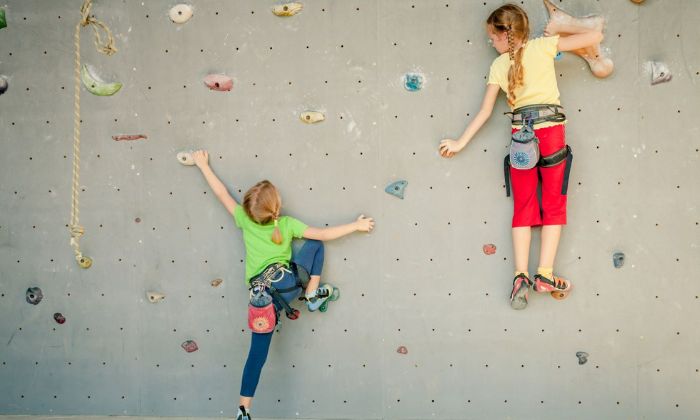
Rope Ladders and Monkey Bars
Suspend a rope ladder from the ceiling or anchor it securely to a wall stud. Monkey bars can be installed over a doorway or in a hallway with enough clearance. These structures enhance physical activity and motor skills, encouraging kids to swing, grip, and climb. Use soft mats below for added safety.
Pro Tip: Use removable wall brackets for monkey bars so they can be folded away when not in use perfect for shared living spaces!
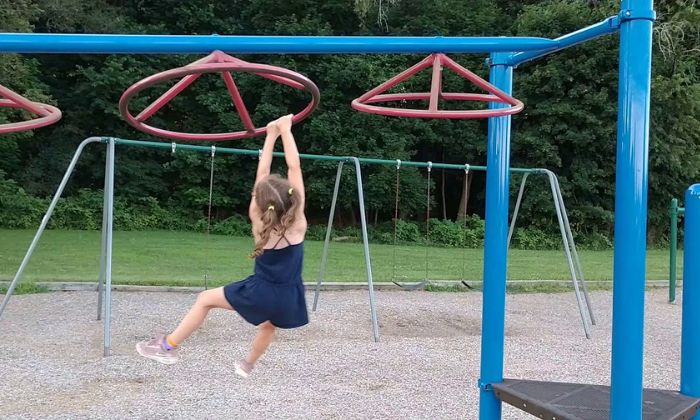
Imaginative Play
Imaginative play lets children explore their creativity while having fun. Set up a DIY toddler activity center using a small cube shelf and add sensory features like mirrors, textured fabrics, and lights. Incorporate gears, shape sorters, or magnetic boards to encourage storytelling, problem-solving, and hands-on learning all in a compact, engaging setup that inspires hours of pretend play.
Sensory and Creative Stations
Create a dynamic sensory and creative station in one compact corner using bins or drawers filled with sand, kinetic dough, or water beads. Incorporate interchangeable panels for painting, magnet play, or light-up boards. This setup keeps children engaged for hours while supporting fine motor development, creativity, and problem-solving all within a small, easily manageable space.
Modular or Stackable Play Zones
Living in a tight apartment? You can still build a compact indoor playground by using modular ideas.
Think of stackable foam blocks that double as a seating area, climbing ramp, and fort. Or a play cube that’s a tunnel, ball pit, and reading nook all in one. The goal is multifunctional, movable pieces that you can reconfigure throughout the week.
Even better, go vertical. A mini bunk-bed-style play zone with a climbing wall on one side, a slide on the other, and a reading nook underneath turns a boring corner into a kid’s paradise without eating up all your floor space.
Storage and Organization Tips
One of the biggest challenges of having an indoor play area in small spaces is clutter. But with smart storage, you can keep the chaos in check.
- Under-bed storage bins for balls, blocks, and costumes.
- Pegboards for hanging toys, helmets, and art supplies.
- Fold-away mats and indoor playground equipment that can be tucked into a closet.
- Wall-mounted storage shelves and baskets to use vertical surfaces efficiently.
Teach your kids to be part of the process. When they help organize their toys and play zones, they learn responsibility and you gain a tidier home.
Safety Tips and Parental Supervision
Fun should never come at the cost of safety. Here are essential safety tips to keep your DIY indoor play equipment secure and worry-free:
- Anchor everything: Whether it’s a bookshelf or a climbing net, anchor it securely to walls or ceilings using heavy-duty brackets.
- Use padding: Install padded floor mats or interlocking foam tiles to cushion falls.
- Inspect regularly: Check for loose screws, chipped paint, and unstable joints.
- Age-appropriate zones: Clearly mark areas for toddlers vs. older kids to avoid mix-ups.
- Active supervision: No matter how safe the setup, children should always be monitored, especially during active play or when using climbing gear.
By staying alert and proactive, you can ensure that every giggle and tumble is a safe one.
Conclusion
In the end, creating a DIY Indoor Play Equipment setup isn’t just about building a structure, it’s about building moments. It’s about turning limited play space into unlimited fun, imagination, and learning. You don’t need a sprawling home or a designer budget. You just need heart, creativity, and a desire to give your kids a world of play within reach.
With the right mix of space-saving, foldable designs and high-quality materials, you can craft a play area where your children feel safe, inspired, and free to be themselves. Whether it’s climbing to victory on a wall-mounted jungle ladder or diving into a soft ball pit after an epic game of pretend, the magic you build today will shape the memories of tomorrow.
So roll up your sleeves, sketch out your dream play zone, and let’s bring joy into your home one swing, slide, or sparkle at a time.