
When it comes to choosing the perfect flooring for your gym, play area, sports facility, or even a residential or commercial space, the debate often boils down to one burning question: EPDM Flooring vs. Traditional Rubber Flooring: Which One is Better? Both options come with their strengths, and making the right decision can dramatically impact the comfort, safety, durability, and appearance of your space. In this comprehensive guide, we’ll dive deep into what sets these two types of flooring apart and help you confidently decide which one suits your needs best.
What is EPDM Flooring?
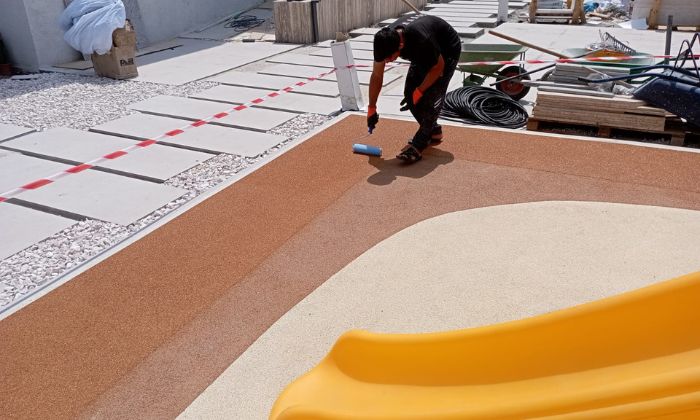
EPDM flooring is a type of synthetic rubber made from Ethylene Propylene Diene Monomer. It’s widely recognized for its high elasticity, excellent weather resistance, and vibrant color options. Often found in playgrounds, gyms, outdoor tracks, and sports facilities, EPDM rubber flooring is known for its shock absorption, resilience under heavy foot traffic, and adaptability to harsh environments.
One of the most remarkable EPDM rubber flooring benefits is its ability to resist UV rays, ozone, and extreme temperatures, making it a preferred option for outdoor flooring. It’s also incredibly customizable, both in color and design, allowing architects and designers to get creative with space.
What is Traditional Rubber Flooring?
Traditional rubber flooring is typically made from natural rubber or recycled rubber materials, like old tires. It’s commonly used in indoor flooring for commercial spaces, schools, offices, gyms, and even some homes. Traditional rubber mats come in tiles or rolls and are generally black or dark in color, though some dyed options exist.
This flooring type is widely appreciated for its durability, slip resistance, and sound-absorbing qualities. It’s also considered eco-friendly due to its recycled content, making it a sustainable option for those who care about the environment.
Head-to-Head Comparison
To make a clear rubber flooring comparison, let’s break it down by the factors that matter most.
Durability
When investing in flooring, durability is key. Traditional rubber flooring offers a tough, long-lasting solution. However, EPDM flooring takes the edge here. Thanks to its synthetic composition, EPDM is more resistant to cracking, fading, and weather-related damage. It retains its elasticity and structure for years, even under heavy use.
Whether you’re looking at commercial gym flooring or an outdoor sports facility, EPDM stands up better to intense activity, making it a long-lasting material ideal for high-impact areas.
Safety and Comfort
Safety should never be compromised especially in environments like gyms and playgrounds. Both EPDM and traditional rubber flooring offer excellent slip resistance, but EPDM excels with its superior shock absorption capabilities. This makes it a safer choice in areas prone to falls or intense activity.
Plus, EPDM is more comfortable underfoot, reducing fatigue and injuries, making it suitable for areas where people are on their feet for extended periods.
Aesthetic Appeal
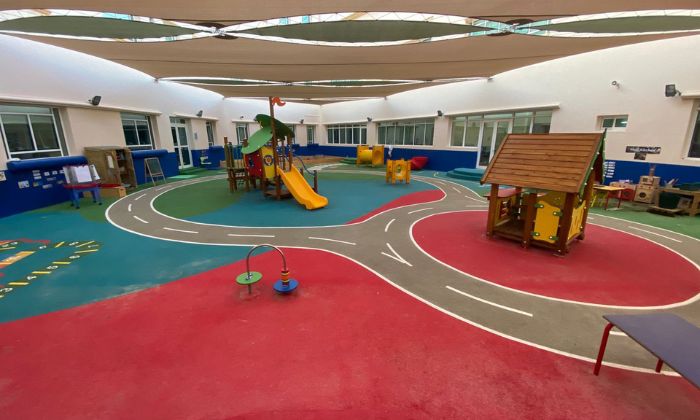
Here’s where EPDM shines. Traditional rubber flooring usually comes in dark, muted tones and lacks variety. In contrast, EPDM flooring is available in a wide spectrum of colors and patterns. You can even customize designs and logos, making it a popular choice for schools, play zones, and modern fitness studios.
If aesthetics matter to you and they should, EPDM is your go-to option for adding style and personality to your space.
Installation and Maintenance
Both types of flooring have a fairly straightforward installation process, but there are some differences to note. Traditional rubber flooring comes in interlocking tiles or rolls, which can be easily installed with or without adhesive. EPDM flooring, especially in poured-in-place form, may require professional installation due to its multiple layers and curing time.
When it comes to maintenance requirements, both are easy to clean and maintain. However, EPDM is less likely to retain moisture and odors, giving it an edge in hygiene-sensitive areas like gyms and daycares.
Environmental Impact
Both options have their merits in terms of sustainability. Traditional rubber flooring often uses recycled materials, making it an eco-friendly flooring choice. However, EPDM is also environmentally sound, especially when produced from recyclable synthetic rubber that doesn’t release harmful chemicals over time.
Because of its longevity and resistance to degradation, EPDM requires fewer replacements over time, minimizing waste.
Cost and Value for Money
Upfront, EPDM flooring may seem pricier than traditional rubber, but consider the cost-effectiveness in the long term. EPDM’s resistance to fading, cracking, and weather conditions means fewer repairs and replacements.
Traditional rubber flooring offers budget-friendly options, especially for indoor use, but it might require more upkeep and have a shorter lifespan depending on the conditions.
If you want value that lasts, EPDM is the smarter investment.
Use-Case Scenarios
Let’s explore the practical side. Which flooring suits what kind of space?
Best Choice for Gyms and Fitness Centers
For commercial gym flooring, EPDM is the superior choice. Its durability, shock absorption, and slip-resistant flooring options provide a safer and more comfortable experience for gym-goers. Plus, its vibrant aesthetics add to the energetic ambiance of fitness studios.
Traditional rubber flooring can still work in low-impact areas or home gyms, but for heavy-duty use, EPDM wins hands down.
Ideal Flooring for Outdoor vs. Indoor Areas
Outdoor flooring demands resistance to sun, rain, and temperature changes, traits EPDM handles effortlessly. It doesn’t fade under UV rays or crack in winter, making it ideal for playgrounds, tracks, and terraces.
On the flip side, indoor flooring applications like offices, schools, or residential gyms can comfortably use either option. Traditional rubber offers good insulation and soundproofing, making it a decent choice indoors.
Suitability for Residential vs. Commercial Use
For residential use, both types work well, depending on the room. EPDM might be overkill (and costlier) for some home uses but is perfect for playrooms or garden flooring. For commercial settings where foot traffic is high and safety is non-negotiable, EPDM is the clear leader.
Pros and Cons
EPDM Flooring:
Pros
- Superior durability
- Excellent weather resistance
- High aesthetic versatility
- Better shock and slip resistance
- Hygienic and low-maintenance
Cons
- Higher initial cost
- More complex installation
Traditional Rubber Flooring
Pros
- Lower upfront cost
- Easy to install
- Eco-friendly (often recycled)
- Great for indoor use
Cons
- Limited color and design options
- Less suitable for extreme weather
- Might wear faster in high-impact areas
Conclusion
So, EPDM Flooring vs. Traditional Rubber Flooring What’s the final verdict?
If you’re looking for a flooring solution that offers unmatched durability, vibrant aesthetics, weather resistance, and slip resistance especially for outdoor and high-impact environments EPDM flooring is the clear winner. Its long lifespan and low maintenance needs make it a wise investment for commercial and performance-driven spaces.
However, if budget is a major constraint and your needs are primarily indoor and moderate in nature, traditional rubber flooring still holds solid ground. It’s reliable, cost-effective, and environmentally conscious.
Ultimately, the choice comes down to your specific needs, performance, location, budget, and design preferences.