
Outdoor Playground Equipment is much more than colorful slides, swings, and seesaws. For children, it is a magical space where imagination blends with real-life lessons, friendships blossom, and crucial life skills take root. Every laugh, every game, and every turn on the equipment is a small step toward building stronger social connections. Parents often see the joy in their children’s eyes, but what truly unfolds on the playground goes deeper—it’s the foundation of lifelong social interaction in children.
Why Social Skills Are Important for Children
Social skills are the invisible threads that weave children into the fabric of society. They enable kids to communicate clearly, share, empathize, resolve conflicts, and work together toward common goals. Without strong social skills, even the most academically gifted child may struggle in teamwork, relationships, or leadership later in life.
When children engage in cooperative play activities, they’re not just having fun; they are learning patience, negotiation, respect, and empathy. Imagine a group of kids figuring out how to take turns on a swing, or two children deciding who plays “doctor” in a role-playing game—these small moments prepare them for bigger challenges in life.
The Role of Outdoor Playgrounds in Social Development
Playgrounds are natural laboratories for social growth. Unlike structured classrooms, they provide an open, free-flowing environment where children can practice teamwork and cooperation in play. Outdoor playground equipment encourages kids to interact beyond their comfort zones. They learn to approach others, make friends, and collaborate in group activities.
This unstructured environment fosters peer bonding in playground settings, helping shy children open up while allowing natural leaders to emerge. The playground becomes a stage where kids experience trial and error in friendships, developing their communication skills in playground environments.
Types of Playground Equipment and Their Social Benefits
Different types of playground equipment serve unique roles in social development. Let’s explore how each piece helps children grow socially.
Swings and Seesaws
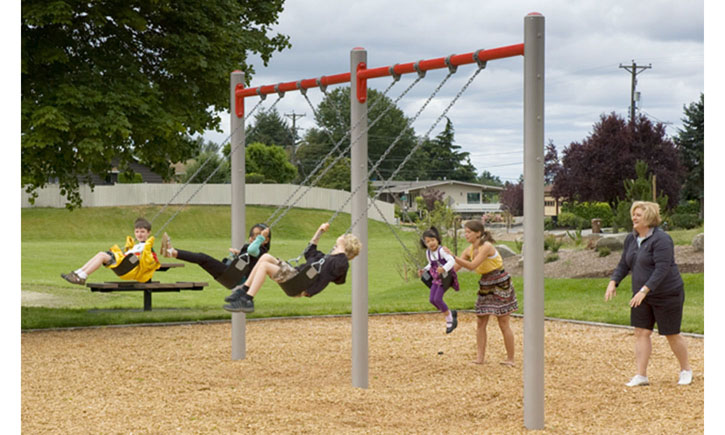
Swings teach patience and turn-taking, while seesaws demand cooperation. A seesaw won’t move without two children working together, which teaches balance in both movement and relationships. This simple activity strengthens teamwork and collaboration, building trust and an understanding of shared responsibility.
Slides and Climbers
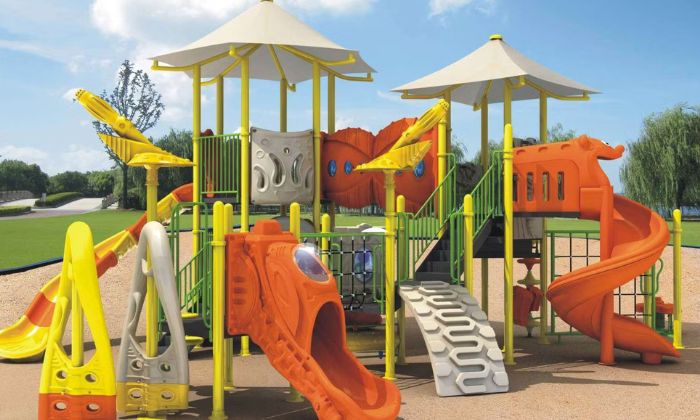
Slides and climbing structures naturally attract groups of kids. While waiting for a turn, children practice self-control and patience. At the same time, climbers encourage problem-solving and mutual encouragement. If one child hesitates, others often cheer them on, strengthening bonds through outdoor play for social growth.
Playhouses and Role-Play Structures
Playhouses are where imagination sparks social lessons. Kids take on roles like “teacher,” “parent,” or “shopkeeper,” and in doing so, they learn role-playing on playgrounds. This develops creativity, but more importantly, it fosters empathy and perspective-taking. When a child plays “parent,” they practice nurturing and understanding others’ feelings. These role-playing and group play benefits lay the groundwork for emotional intelligence.
Group Equipment
Large equipment designed for group use—such as merry-go-rounds, rope bridges, or cooperative climbing nets—teaches collaboration. Children must work together to balance, spin, or keep the game moving. This enhances child interaction on playgrounds, allowing kids to discover the joy of working toward a common goal.
Key Social Skills Developed Through Playground Interaction
Communication and Language Skills
From negotiating turns to sharing stories during play, children strengthen their communication development on the playground. This isn’t forced learning; it’s natural and joyful. A child explaining the “rules” of a make-believe game is unknowingly sharpening their ability to express ideas clearly.
Cooperation and Teamwork
Playground games often require cooperative play activities. Whether building a sandcastle or organizing a tag game, kids learn the value of teamwork and cooperation in play. These experiences lay the foundation for working effectively in groups later in school and adulthood.
Conflict Resolution and Negotiation
Arguments about “who goes first” or “who gets the red ball” are common on playgrounds. But these moments are golden opportunities. Kids practice conflict resolution skills and learn to compromise. Over time, they understand that resolving disagreements peacefully strengthens friendships.
Empathy and Emotional Understanding
Through social interaction in children, playgrounds become fertile ground for empathy. Comforting a friend who fell or encouraging a nervous climber teaches compassion. These experiences nurture the ability to understand and respond to emotions in others.
Leadership and Responsibility
On playgrounds, leaders naturally emerge. A child might organize a group game, set fair rules, or ensure everyone gets a turn. This builds responsibility while teaching the balance between leading and listening.
Benefits Beyond Social Skills
While the focus is on social growth, outdoor play delivers much more.
Boosts Confidence and Independence
Every successful climb or bold slide down boosts a child’s confidence. The independence gained on playgrounds empowers children to face challenges with courage, both socially and physically.
Improves Emotional Regulation
Play is filled with highs and lows—winning, losing, waiting, and sharing. These experiences teach kids to manage emotions like frustration, excitement, or disappointment. They practice emotional balance in a safe, playful setting.
Combines Physical Development
Playgrounds are unique in blending body and mind growth. While children develop motor skills through running, climbing, and sliding, they simultaneously strengthen building friendships through play. This dual development makes playgrounds essential for well-rounded growth.
Conclusion
Playgrounds are far more than recreational spaces; they are vibrant arenas where children learn to connect, communicate, and grow together. Each piece of Outdoor Playground Equipment acts as a silent teacher helping children practice teamwork, build empathy, resolve conflicts, and develop confidence. The friendships made, the roles played, and the lessons learned in these playful moments echo throughout a child’s life.
So next time you watch children laughing on a swing or negotiating roles in a playhouse, remember: they are not just playing; they are learning to be compassionate leaders, empathetic friends, and strong communicators. That is the true power of Outdoor Playground Equipment.