
An outdoor bench is more than just a piece of furniture; it’s a silent companion to your quiet mornings, weekend barbecues, and memorable gatherings in the garden. The material you choose determines whether your bench will be a lifelong treasure or a short-lived purchase. Among the most popular outdoor seating materials, two stand out wood and metal. But when it comes to the ultimate decision, which material truly fits your lifestyle, climate, and aesthetic goals?
Let’s dive deep into the world of wooden vs. metal patio furniture and uncover which option deserves a spot in your yard, patio, or park.
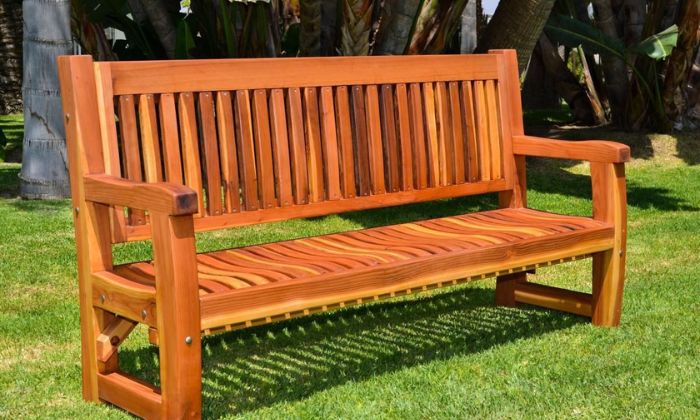
Factors to Consider When Choosing Outdoor Bench Material
Before we break down the pros and cons of wood and metal, it’s crucial to understand the factors that make or break an outdoor seating choice.
Durability and Lifespan
Your bench needs to withstand the elements from scorching sun to pouring rain. A long-term investment requires durability and weather resistance, and the right choice will depend on how often you expect people to use the bench and how harsh your local climate is.
Maintenance Requirements
Some outdoor furniture materials demand constant care, while others simply need an occasional wipe. If you’re the type who prefers low-maintenance living, this factor is non-negotiable.
Weather Resistance
From rust-resistant finishes to naturally resistant wood types, weather plays a huge role in how long your bench lasts. In coastal areas, humidity and salt can quickly damage unprotected materials.
Aesthetics and Design
An outdoor bench should not only be functional but also add aesthetic appeal. The choice of material influences whether your space looks rustic, modern, or timeless.
Comfort Level
At the end of the day, comfort is everything. You want an outdoor seating experience that feels welcoming. Some materials heat up, others stay cool, while wood naturally adjusts to your body temperature.
Cost and Budget
Budget plays a huge role. While a durable garden bench option might cost more upfront, it could save you from costly replacements in the long run.
Eco-Friendliness
If sustainability matters to you, consider materials including recycled plastic, FSC-certified wood, or metals that can be reused.
Wooden Outdoor Benches
There’s something special about sitting on a wooden bench in a garden. Natural wood feels warm, inviting, and blends seamlessly with outdoor settings. But does beauty equal practicality?
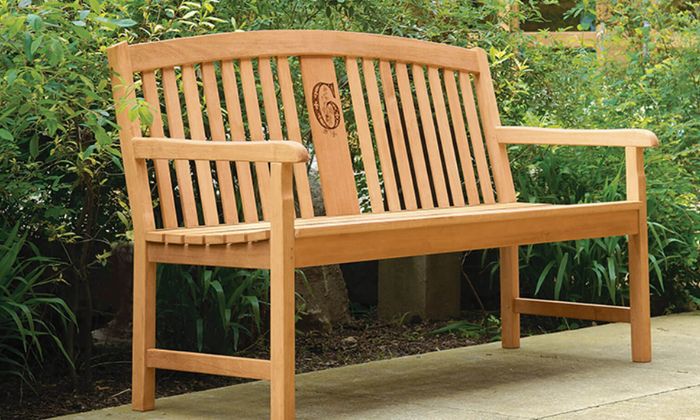
Advantages of Wooden Outdoor Benches
Aesthetic Appeal: Wood offers unmatched beauty with its grains, tones, and timeless charm. A wooden bench instantly enhances the look of any patio or garden.
- Comfortable Seating: Wood doesn’t absorb or release heat quickly, making it comfortable in both summer and winter.
- Variety of Options: Depending on the type of wood teak, cedar, oak, or pine you can choose a balance between cost, appearance, and long-term performance.
- Naturally Resistant: Certain woods like teak and cedar have natural oils that protect them against pests and decay, making them excellent weather-resistant outdoor benches.
Disadvantages of Wooden Outdoor Benches
Maintenance Requirements: Without regular sealing or staining, wood can crack, fade, or warp over time.
Cost Factor: Premium hardwoods such as teak are expensive, though they last decades if cared for.
Weight & Mobility: Wooden benches are not as easy to move as lighter alternatives like recycled plastic.
Metal Outdoor Benches
If you want a highly durable seating solution, metal may be the answer. Found everywhere from city parks to modern patios, metal benches are built to endure.
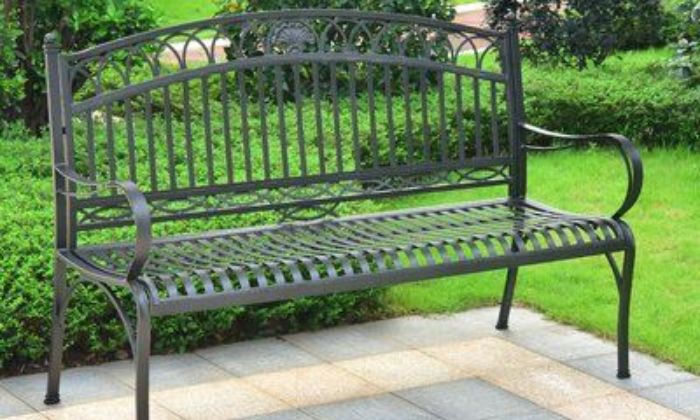
Advantages of Metal Outdoor Benches
Durability and Strength: Steel, wrought iron, and stainless steel options are highly durable and can last decades with proper treatment.
Weather Resistance: Powder-coated finishes and rust-resistant treatments protect against rain and snow.
Modern Aesthetic Appeal: Metal offers sleek, contemporary designs, making it a favorite for modern outdoor settings.
Low Maintenance: Aside from occasional cleaning, most metal benches don’t require heavy upkeep.
Disadvantages of Metal Outdoor Benches
Heat & Cold Retention: Metal absorbs temperature quickly. In summer, it can become uncomfortably hot, and in winter, freezing cold.
Weight Issues: Wrought iron benches are extremely heavy, which makes them stable but less mobile.
Potential for Rust: While stainless steel resists corrosion, cheaper metals can rust if not treated properly.
Cost Comparison: Wood vs. Metal
When choosing the right material, cost plays a big role:
- Wood: Softwoods are budget-friendly but may only last a few years outdoors. Hardwoods like teak or oak are pricier but can endure for decades.
- Metal: Simple aluminum benches are affordable, while custom wrought iron or stainless steel benches can be costly but offer exceptional long-term durability.
Overall, wood has a wide price range, while metal tends to be more consistent but often higher in the long-term bracket.
Weather and Climate Considerations
- Humid or Coastal Areas: Metal (especially aluminum or stainless steel) performs better because it’s rust resistant when coated properly.
- Dry or Mild Climates: Wood thrives in less extreme conditions, especially when maintained properly.
- Cold Climates: Wood stays more comfortable in freezing weather compared to metal.
Your environment will heavily influence whether wood or metal is the best material for park benches in your region.
Eco-Friendliness & Sustainability
If you’re concerned about your environmental footprint, consider the following:
- Wood: Opt for FSC-certified natural wood to ensure responsible sourcing. Wooden benches can be biodegradable, but cutting down trees is a concern unless done sustainably.
- Metal: Metal is infinitely recyclable, making it an eco-friendly choice if sourced from recycled materials.
- Recycled Plastic: While not part of our main comparison, many benches offered today use recycled plastic, which is both sustainable and weather-resistant.
Final Verdict: Which Material Should You Choose?
So, should you go for a wooden bench or a metal outdoor bench?
- Choose wood if you value warmth, tradition, and natural beauty. It’s perfect for gardens and those who enjoy the charm of natural wood in their outdoor seating.
- Choose metal if you want a highly durable, low-maintenance option with a sleek design. It’s ideal for urban parks, modern patios, or high-traffic outdoor settings.
The ultimate decision lies in balancing maintenance requirements, aesthetic appeal, long-term costs, and how well the bench can withstand the elements in your climate.
Conclusion
An outdoor bench is not just a seat it’s a space for conversations, memories, and quiet reflections. Choosing between wood and metal means weighing beauty against strength, tradition against modernity, and immediate cost against long-term investment. Whether you prefer the natural wood charm of a garden bench or the stainless steel durability of a city bench, the key is choosing the right material for your lifestyle and environment.
No matter which option you choose, one thing is certain: your outdoor bench will be there for every story, every sunset, and every moment shared under the open sky.