
When it comes to achieving your fitness dreams, gym equipment plays a pivotal role in shaping your journey. Whether you’re aiming to lose weight, build lean muscle, improve endurance, or simply stay active, the right equipment can make or break your experience. But with so many options out there from flashy cardio machines to intimidating strength training setups, how do you know what truly works for your body, your goals, and your lifestyle?
The decision is overwhelming for many, but it doesn’t have to be. This guide will walk you through everything you need to know about choosing the best gym equipment tailored specifically for your fitness goals, with practical advice, emotional motivation, and actionable insights to empower your choices.
Identify Your Fitness Goals
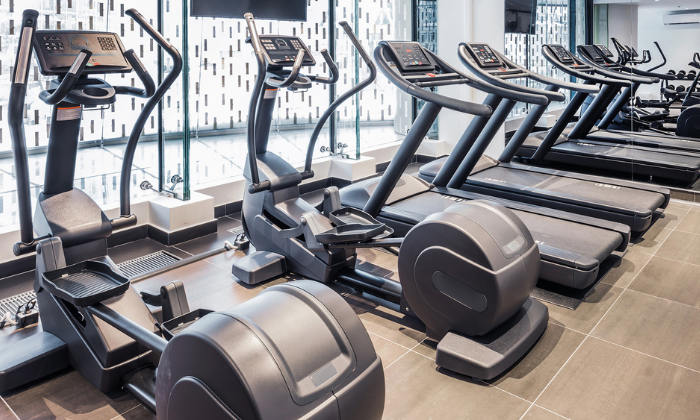
The first and most essential step in your fitness journey is to clearly define your personal goals. Are you working toward weight loss, building strength, boosting cardiovascular health, or enhancing your overall wellness? Each goal aligns with a specific type of exercise and equipment. For instance, if shedding pounds is your primary focus, investing in exercise gear for weight loss such as cardio fitness equipment like treadmills, stationary bikes, or row machines would be a great start.
On the other hand, if you’re eager to sculpt your muscles and improve endurance, strength training machines, adjustable dumbbells, and free weights are your go-to tools for building strength and targeting various muscle groups. Your goal is your compass. It directs your every purchase, every workout, and ultimately, your success.
Understand the Types of Gym Equipment
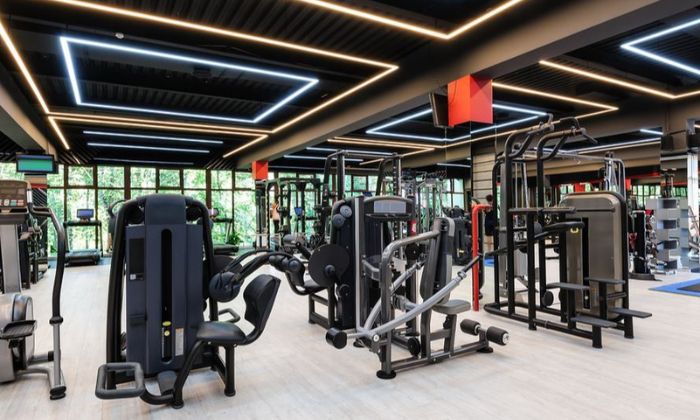
There’s a dazzling variety of gym machines available, each designed for specific purposes. Cardio machines are fantastic for heart health and endurance. Think treadmills, ellipticals, row machines, exercise bikes, and stationary bikes. These help in burning calories, improving stamina, and elevating your mood. For those diving into strength training, you’ll find a wealth of equipment like free weights, cable machines, leg presses, and Smith machines each targeting different muscle groups for a full body workout.
Don’t overlook functional fitness tools such as kettlebells, resistance bands, or balance balls that allow for dynamic type of exercises and improved core strength. Understanding these categories helps demystify the equipment jungle and makes it easier to decide what suits your needs best.
Match Equipment to Your Goals
Now that you understand the different types, it’s time to match the right equipment with your specific fitness objectives. If you’re new and starting from scratch, workout equipment for beginners such as resistance bands, stability balls, and light free weights are non-intimidating and highly effective. For someone focusing on strength training, investing in high quality strength training machines or a bench press set is ideal for progressive overload.
Cardio lovers may prioritize a cardio machine like an exercise bike or a row machine, both known for their intense calorie-burning effects and cardiovascular benefits. If your goal is versatility and you enjoy mixing things up, a home gym equipment setup that includes adjustable dumbbells, resistance bands, and a compact bench gives you endless variety in one spot.
Consider Your Space and Budget
It’s tempting to dream about owning every shiny piece of equipment you see at a commercial gym, but the reality often boils down to available space and money. If you’re building a home gym, make sure you take accurate measurements of your space before buying anything. Compact solutions like foldable stationary bikes or multi-functional machines save space and deliver multiple workout benefits in one unit.
Budget also matters while some high quality machines are costly, they’re often more durable and provide better safety features. On the flip side, you can build an effective home gym on a tight budget using essentials like free weights, resistance bands, and even a row machine. The key is to invest wisely, don’t just chase trends; buy the piece of equipment that genuinely supports your goals.
Assess Your Experience Level
Your fitness level plays a critical role in deciding what gym equipment you should start with. Beginners often benefit from guided, low-risk tools like resistance machines that have fixed paths of movement, reducing the chance of injury. A workout equipment for beginners setup usually includes lighter weights, stability tools, and simple cardio fitness equipment to build a baseline of strength and stamina.
Intermediate to advanced users, however, might be ready for complex tools like squat racks, Olympic barbells, and plyometric boxes. Be honest with yourself. Trying to master advanced equipment too soon can lead to injuries and frustration. Let your current abilities guide your choices, and remember, everyone starts somewhere there’s no shame in easing into it.
Safety and Comfort Factors
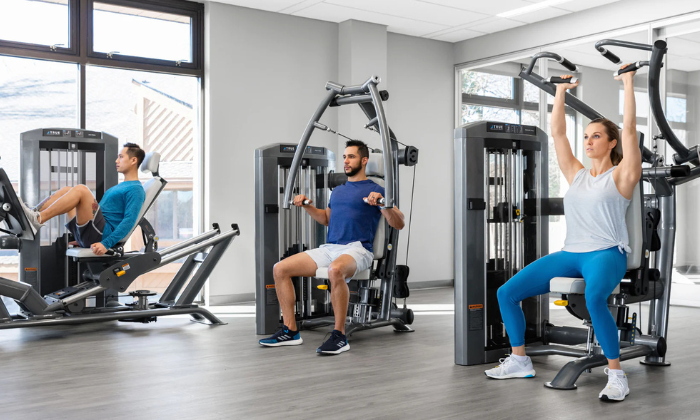
When choosing gym equipment, safety is non-negotiable. Always look for machines that offer proper back support, cushioned grips, and secure locking mechanisms. Pay attention to resistance levels and how easily they can be adjusted. If you’re using strength training machines, they should support your posture and guide your form to prevent joint strain.
For cardio machines, especially exercise bikes and treadmills, look for shock absorption features and ergonomic designs. Your comfort during a workout directly affects your consistency if something hurts (and not in a good way), you’ll avoid it. Quality equipment with customizable features will help you exercise longer, safer, and more effectively.
Try Before You Buy (If Possible)
If you’re shopping in a physical store or have access to a commercial gym, take advantage of the chance to test the equipment. There’s no better way to gauge the comfort, noise level, ease of use, and quality than by trying it firsthand. Hop on that cardio machine, lift those adjustable dumbbells, and get a feel for how your body responds.
Trying before buying also helps prevent the common regret of investing in a piece of equipment that ends up gathering dust because it didn’t “feel right.” Additionally, some retailers offer trial periods or return policies, so don’t hesitate to ask if it could save you hundreds.
Maintenance and Durability
The best gym equipment is not only effective but also built to last. Look for products that are made with high quality materials and come with solid warranties. Steel frames, commercial-grade padding, and rust-resistant coatings are indicators of long-term durability. Check user reviews for insights on maintenance requirements. Can you easily clean it?
Does it need regular oiling or part replacements? A home gym setup tips checklist should always include regular upkeep. Consistent maintenance ensures that your gear stays in top shape, keeps you safe, and saves you money in the long run. Cheap equipment may seem appealing at first but often leads to more expenses later through repairs or replacements.
Conclusion
Choosing the right gym equipment isn’t just a shopping decision, it’s a commitment to your health, your happiness, and your future self. It’s about aligning your inner drive with the external tools that can help you unlock your potential. From defining your fitness goals and understanding equipment types to considering space, safety, and durability, every step you take in this process matters.
Don’t be swayed by fads or flashy ads. Instead, listen to your body, respect your journey, and choose with intention. Remember, every drop of sweat, every repetition, and every beat of your heart during a cardio workout brings you closer to your goals. With the right gear be it home gym equipment, a reliable cardio machine, or versatile free weights you’re not just exercising; you’re transforming. So take that first step confidently, and let the perfect gym equipment become the foundation of your unstoppable fitness journey.