
Indoor Play Areas are magical spaces where children can explore, learn, and most importantly, have fun in a safe environment. As parents, caregivers, and play space designers, our ultimate goal is to create a safe, exciting, and developmentally appropriate playground where children can thrive. However, despite good intentions, many people make critical mistakes when setting up these playing areas that can lead to safety risks, poor engagement, and even long-term harm.
When setting up Indoor Play Areas, it’s not just about placing a few pieces of equipment and hoping for the best. It requires thoughtful planning, strict adherence to indoor playground safety guidelines, and deep consideration of the age group using the space. Neglecting these crucial steps can not only diminish the joy of the play environment but can also increase the risk of injuries.
Let’s explore the most common mistakes you should avoid to create a safe play area design that will bring smiles and safety to every child.
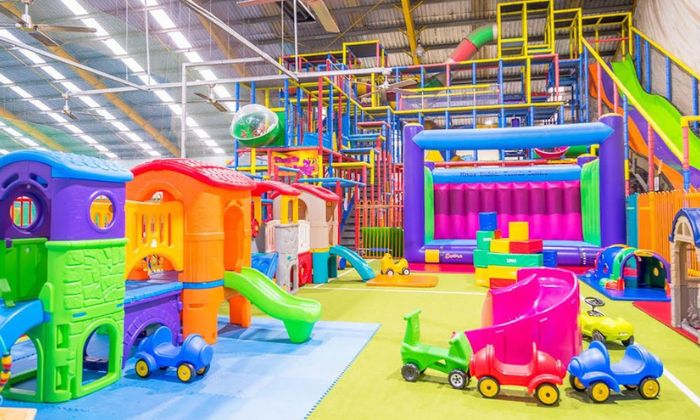
Ignoring Safety Standards and Regulations
The foundation of a safe play environment starts with following proper playground safety standards and safety rules. One of the most dangerous mistakes when setting up Indoor Play Areas is ignoring safety standards and regulations. Every region has specific indoor playground safety guidelines designed to reduce the risk of accidents and injuries. Overlooking these rules can turn a fun play space into a hazardous zone.
When designing a play space, you must ensure that all structures comply with local regulations regarding height restrictions, barrier requirements, and safety surfacing specifications. Failure to meet these standards not only endangers children but can also lead to legal consequences for the facility.
To truly create a safe environment for children to play, it is essential to regularly consult updated playground safety standards and ensure that the equipment you install is certified for safety.
Choosing Inappropriate or Unsafe Flooring
Another common but severe mistake is selecting the wrong type of flooring. The play environment must have appropriate shock-absorbing surfaces to reduce the risk of falls and injuries. Installing hard surfaces like concrete or tiles can dramatically increase the risk of injuries when children trip or fall.
The safest option is to choose soft flooring for play areas such as rubber mats, foam tiles, or other safety surfacing materials that cushion impacts. Soft, shock-absorbing surfaces significantly decrease the likelihood of serious harm, providing children with the freedom to explore without constant fear.
When choosing flooring, always consider the age range of children using the Indoor Play Areas. Younger children are more prone to falls, so their areas need thicker, more cushioned surfaces. Investing in high-quality flooring from the beginning can reduce wear and tear over time and keep the area safe for years to come.
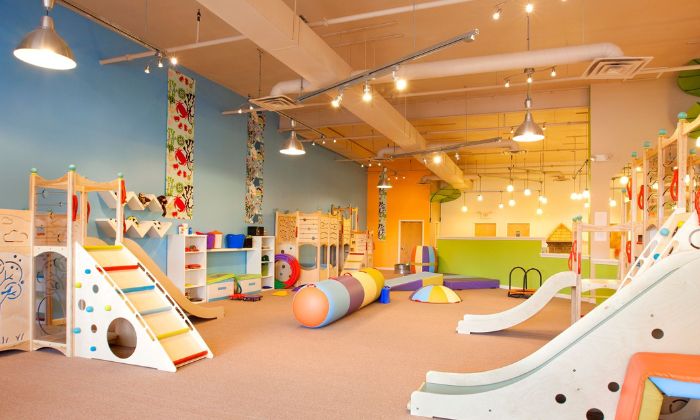
Installing Age-Inappropriate Equipment
One of the fastest ways to compromise safety in Indoor Play Areas is by installing equipment that is not suitable for the targeted age group. Playgrounds should offer age-appropriate play equipment that matches the physical abilities, motor skills, and attention spans of the children using them.
For example, climbing structures designed for older children can be extremely dangerous for younger children. Similarly, equipment for toddlers won’t challenge or engage older children, leaving them bored and more likely to misuse the equipment.
Every piece of equipment should be labeled for the correct age range and inspected to ensure children can use it safely. Mixing equipment meant for drastically different age groups within the same play area can create collisions and other preventable accidents. Dividing the play space into zones for different age groups is a smart and practical solution.
Poor Space Planning and Layout
Designing a play space without proper flow and layout can create chaos. Indoor Play Areas must be thoughtfully planned to allow smooth movement, prevent overcrowding, and separate active zones from quieter spaces.
Poor space planning often leads to bottlenecks where children collide, increasing the risk of injuries. A well-designed playground layout ensures there is enough space between pieces of equipment to allow safe navigation, supervision, and emergency access if needed.
When setting up the playground design, keep visibility in mind. Avoid blind spots and structures that block the view of supervising adults. Remember, a beautiful play area is useless if it creates dangerous traffic patterns or encourages rough play due to a cramped layout.
Insufficient Supervision and Visibility
No matter how well you design an indoor playground, proper supervision in play zones is critical to child safety. One of the gravest mistakes is creating a space that hinders supervision.
Play spaces should be designed with open sightlines so adults can easily monitor all activities. Avoid high walls, enclosed tunnels, or tall equipment that obstructs views. The presence of vigilant supervisors ensures children follow safety rules, play respectfully, and that immediate assistance is available in case of accidents.
Additionally, supervision isn’t just the responsibility of parents. Indoor Play Areas should employ trained staff who understand the dynamics of child play and can reduce the risk of injury by intervening when necessary. In poorly supervised environments, even age-appropriate play equipment can become unsafe.
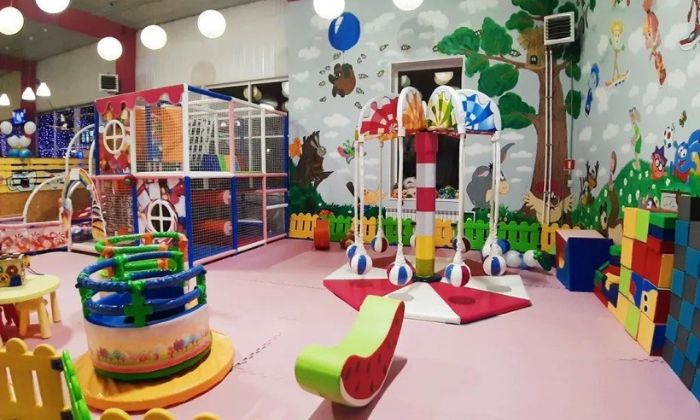
Neglecting Regular Maintenance and Inspections
Even the best-designed Indoor Play Areas can become dangerous over time if they are not properly maintained. Wear and tear are inevitable in high-use play spaces, making regular maintenance and inspections non-negotiable.
Loose bolts, worn ropes, damaged flooring, and chipped paint can quickly turn into safety hazards. Regular inspections should focus on all pieces of equipment, flooring, and overall cleanliness to reduce the risk of accidents.
Ignoring maintenance not only compromises safety but can also tarnish the reputation of your play space. Parents want assurance that the area where their children play is safe, clean, and properly cared for.
Overlooking Hygiene and Cleanliness
Another often overlooked but vital aspect of Indoor Play Areas is hygiene. Play spaces are shared environments where germs can spread rapidly, especially among younger children who are more likely to put objects in their mouths.
Overlooking hygiene can lead to the spread of illnesses and cause parents to avoid your facility. Regular cleaning schedules must be established to sanitize pieces of equipment, flooring, and shared surfaces. Soft play items like foam blocks or balls should be washable or replaced frequently to maintain cleanliness.
Teaching children about personal hygiene, providing easy access to hand sanitizing stations, and maintaining a visibly clean play space builds trust with parents and ensures a healthier environment.
Ignoring Accessibility and Inclusivity
A significant mistake in setting up Indoor Play Areas is failing to consider children with disabilities or differing physical abilities. Every child deserves the chance to enjoy the fun, exploration, and development opportunities that playgrounds provide.
Ignoring accessibility and inclusivity not only limits participation but also excludes families who may have children with special needs. Incorporating ramps, sensory-friendly play items, and accessible pathways ensures the play space is welcoming to all.
Creating inclusive play areas also involves selecting age-appropriate play equipment that supports diverse needs, such as balance aids, tactile panels, or multi-sensory experiences. An inclusive playground design doesn’t just meet legal requirements—it shows that the space was built with empathy and care.
Conclusion
Designing Indoor Play Areas is a joyful yet deeply responsible task. These spaces are more than just places for children to play—they are essential environments that support growth, learning, and socialization in a safe and loving setting. But failing to follow indoor playground safety guidelines, selecting inappropriate flooring, installing equipment not suited for the right age group, and neglecting proper supervision can turn these happy places into dangerous ones.
To create a safe and enjoyable play environment, always invest in soft flooring for play areas, carefully plan the playground layout, and choose age-appropriate play equipment that aligns with the children’s age range. Ensure that regular inspections and cleaning routines are in place to keep the area well-maintained and hygienic. Prioritize proper supervision in play zones and design with inclusivity in mind, making the play space accessible to all children.