
Your fence is more than just a boundary; it’s a protector of privacy, a guardian of pets, and a proud frame for your home. But over time, even the sturdiest fences start showing wear and tear. From leaning fence posts and sagging gates to cracked boards and rusty chain links, these common fence issues can quickly go from minor annoyances to major headaches.
The good news? With the right tools, a little know-how, and some weekend effort, you can take back control and restore your fence to good condition without breaking the bank.
Let’s walk you through the tools you need, how to spot problems early, step-by-step repair strategies, and smart maintenance habits that can prevent future damage. Whether you’re dealing with a leaning fence post, broken fence panels, or a misaligned gate, this guide has you covered.

Tools and Materials Needed for Fence Repair
Before diving into repairs, gather your essential tools and materials. Having the right gear makes a world of difference and keeps you from making repeated trips to the hardware store.
Basic Tools:
- Hammer or mallet
- Screwdriver or drill
- Level
- Shovel or post hole digger
- Wrenches (for chain-link adjustments)
- Saw (for replacing wood sections)
- Wire cutters (for chain-link fences)
Materials:
- Replacement fence panels or boards
- Nails, screws, or bolts
- Concrete footing mix (for posts)
- Wood preservative or sealant
- Hinges, latches, or gate hardware
- Braces or brackets
- Paint or stain
Having these tools ready will streamline your step-by-step guide to fence repair and help you address all the common fence issues effectively.
Identifying Common Fence Problems
Regularly inspecting your fence at least twice a year can help you catch problems before they escalate. Walk along the entire fence line and look for:
- Leaning fence posts
- Cracked or rotting wood boards
- Rusty or sagging chain link fences
- Misaligned or dragging gates
- Damage from strong winds or storms
- Pest activity or signs of rot at ground level
- Corrosion on metal fence parts or hardware
Spotting these early lets you take quick action and often saves you time and money on bigger repairs down the line.
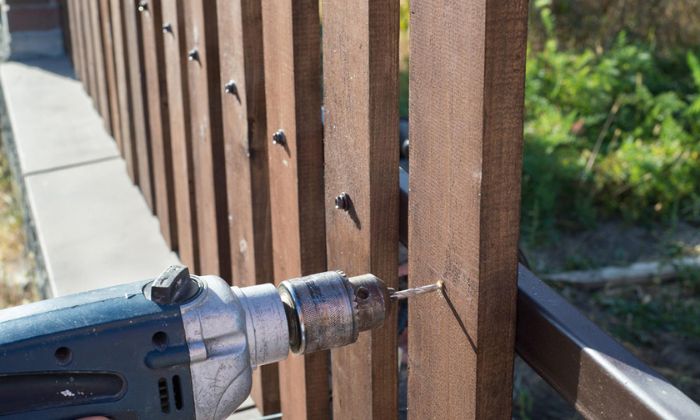
Step-by-Step Fixes for Each Fence Issue
Now that you’ve identified the issues, let’s break down exactly how to fix each one.
Repairing Leaning Fence Posts
A leaning fence post is one of the most urgent and visible issues. If not addressed, it can pull down an entire section of your fence.
Fixing leaning fences starts with removing the panel attached to the post. Dig around the post base and check the integrity. If it’s a rotting post, it’s best to do a fence post replacement.
Step-by-step guide:
- Remove the damaged post and clean the hole.
- Insert a new pressure-treated post and ensure it’s level.
- Brace the post with temporary boards.
- Pour in new concrete footing and let it cure for 24–48 hours.
- Reattach the fence panels and inspect alignment.
If the lean was due to erosion or impact, adding gravel at the base before concrete can help stabilize the area.
Fixing Broken or Cracked Boards
Cracked or broken boards in a wood fence not only look bad they compromise security and privacy.
How to fix:
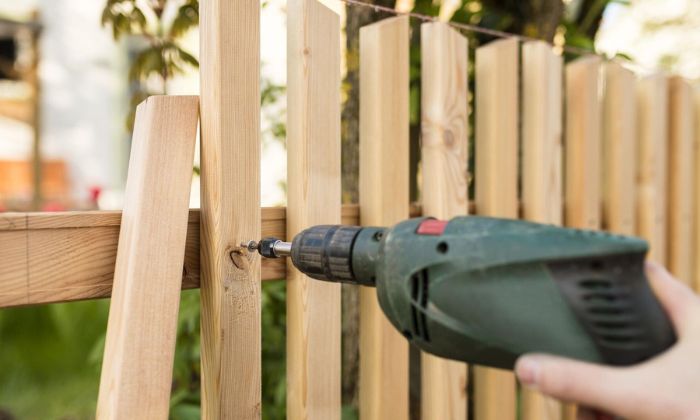
- Remove damaged boards with a claw hammer or drill.
- Cut a new board to size and match the style (picket, slat, etc.).
- Secure with galvanized nails or screws to prevent rust.
- Apply wood preservative or stain to protect against rot.
For warped boards that aren’t cracked, you can sometimes reinforce them with a back brace instead of replacing them entirely.
Repairing Chain-Link Fences
Chain link fences are durable, but they can sag, rust, or become detached from posts over time.
Repairs:
- Use wire cutters to remove damaged links.
- Replace the section with new mesh and reattach using tension bars and wire ties.
- Tighten loose rails using brackets and bolts.
To prevent future issues, clean and check the tension regularly.
Adjusting and Fixing Fence Gates
Sagging or stuck gates are more than an inconvenience; they can be a major security risk.
Fence gate alignment issues often come from loose hinges, warped wood, or shifting posts.
Fixes:
- Tighten all screws on hinges and latch.
- Use a level to check gate alignment.
- Add shims or adjust hinge height if needed.
- Replace damaged hardware or brace the frame if it’s warped.
Lubricating moving parts regularly is a simple trick to extend gate life.
Treating Rot and Pest Damage
Rot is the slow killer of wood fences, often creeping in unseen from the base at ground level. Termites and other pests also love untreated wood.
Treatment:
- Remove and replace affected boards or posts.
- Apply a borate-based wood preservative.
- Use treated wood and seal all cut ends.
- Keep vegetation trimmed and away from the fence base to reduce moisture and pests.
Spotting these issues early through regular inspections can prevent structural failure.
Preventative Maintenance Tips
Keeping your fence in good condition doesn’t stop at repairs. Long-term durability depends on consistent regular maintenance.
Regular Inspections
Inspect your fence every season by walking along its length. Check for signs of damage such as rotting posts, cracked boards, loose nails or screws, rust on metal parts, and soil movement. Early detection helps prevent costly repairs and extends the life of your fence through timely maintenance.
Cleaning and Staining
Annually power wash wood fences to eliminate dirt and mold. Apply a quality stain or sealant to shield against sun and rain damage. Regular cleaning and sealing maintain the fence’s appearance, prevent decay, and extend its lifespan, keeping it strong, attractive, and protected from harsh weather elements.
Lubricating Hinges and Fasteners
Apply a few drops of lubricant to gate hinges and latches to keep them moving smoothly. This simple step prevents squeaking, stiffness, and potential hardware failure, ensuring long-lasting performance and ease of use. Regular lubrication is a quick and effective maintenance tip for any type of fence gate.
Trimming Vegetation Near the Fence
Trim vegetation near fences to prevent damage. Overgrown plants trap moisture, causing wood rot and attracting pests. Keep bushes and vines at least a few inches away from wooden or vinyl fences. Regular trimming ensures airflow, reduces decay risk, and helps maintain the fence’s strength, appearance, and longevity.
When to Call a Professional
Some jobs are just too big or too dangerous for DIY.
Call in an expert if:
- The fence is severely leaning or collapsed.
- You need to install multiple concrete footings.
- You don’t have the tools for a safe fence post replacement.
- Pest damage is extensive.
- The metal fence is corroded and needs welding.
A professional will ensure your fence is not only secure but also aligned with property boundaries and local regulations.
Conclusion
Common fence issues may seem overwhelming, but they don’t have to be. With a little sweat, the right tools, and this step-by-step guide, you can tackle everything from repairing a leaning fence to replacing broken fence panels and aligning that stubborn gate.
Don’t let small problems grow into expensive replacements. Take pride in maintaining your property’s boundaries, brace the fence, protect your privacy, and enjoy the satisfaction of a job well done.
And remember, regular maintenance isn’t just about saving money, it’s about preserving the safety, beauty, and value of your home.