
Parents, educators, and indoor play center owners all face the same exciting question: Soft Play vs. Climbing Structures: Which one truly wins when it comes to indoor fun and development? As indoor playgrounds continue to evolve, providing safe, engaging, and growth-focused environments for children becomes more than a trend; it’s a necessity. But with so many options in indoor playground equipment, choosing the right setup can feel overwhelming.
Whether you’re setting up a small corner in your daycare or designing a full-scale indoor playground, this guide will break down both Soft Play and Climbing Structures, highlight their benefits, and help you decide which suits your needs best. Let’s dive into the world where giggles echo, imagination thrives, and children playing turns into meaningful cognitive development.
What is Soft Play?
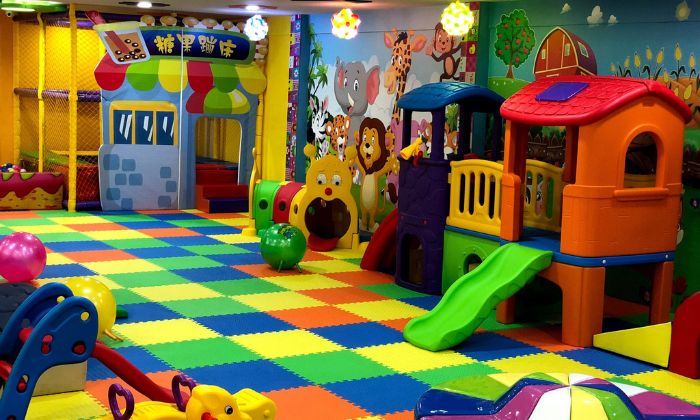
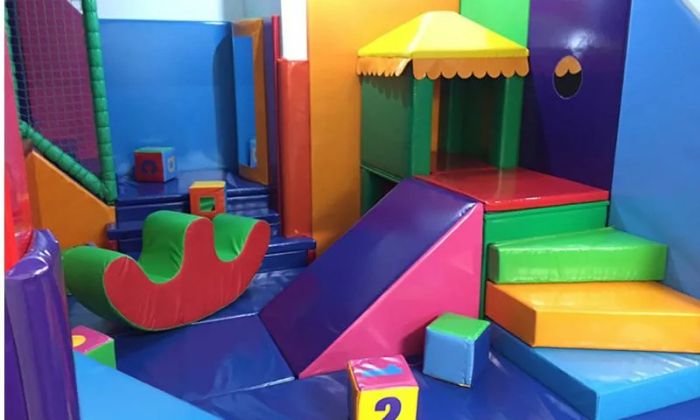
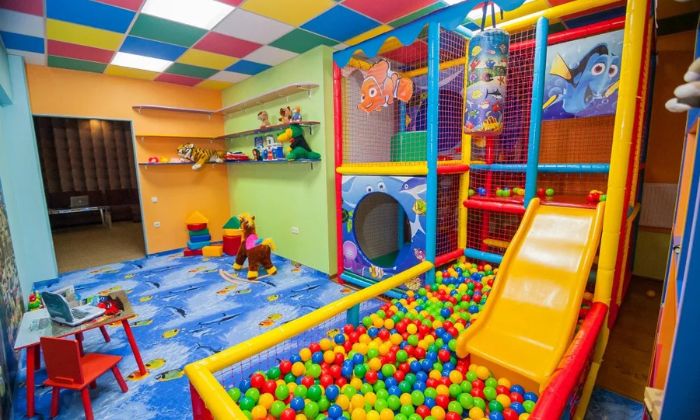
Soft Play refers to a specific type of play equipment made from foam, padded vinyl, and other soft materials. These areas are carefully crafted to provide safe environments where children can explore and play without the risk of hard impacts or injuries. From padded blocks and tunnels to slides and ball pits, Soft Play areas are designed to support physical activity for young ones while being easy to clean and maintain.
Ideal for indoor activities, Soft Play is particularly popular in preschools, malls, and daycare centers. It encourages activities for toddlers that nurture fine motor skills, curiosity, and movement in a risk-minimized environment.
What are Climbing Structures?
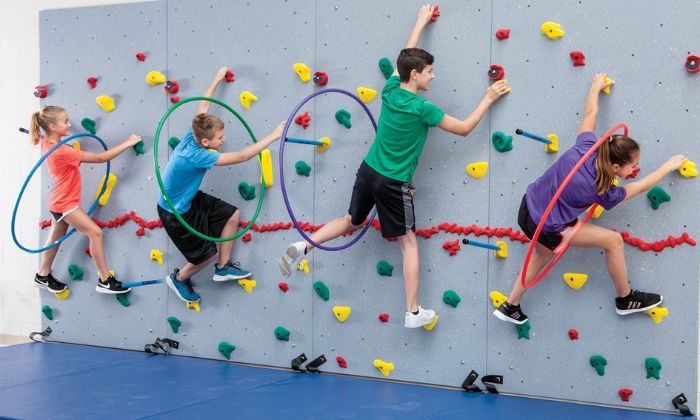
Climbing Structures are more rigid play installations that typically involve ladders, ropes, monkey bars, indoor climbing walls, and more intricate obstacle course setups. While they can be constructed with safety in mind, they are more physically demanding and geared toward older children.
Unlike Soft Play, climbing equipment aims to boost gross motor skills, problem solving skills, agility, and confidence. These play environments mimic elements of outdoor play but are adapted for indoor use, offering kids the thrill of a challenge rain or shine.
Benefits of Soft Play for Indoor Use
Promotes Safe Exploration
In a Soft Play area, children feel encouraged to move freely, touch different textures, and engage in imaginative games like hide and seek. The sensory-rich environment stimulates their cognitive development while offering a soft landing for every tumble.
Children naturally gravitate toward safe spaces where they can explore limits. Here, they can crawl, slide, roll, and climb without fear promoting both confidence and learning.
Ideal for Younger Children and Toddlers
Toddlers are in a critical stage of child’s development, and they need activities for toddlers that are low-impact yet stimulating. Soft Play caters perfectly to this age group. Its colors, shapes, and layouts are specifically designed for early learners.
Whether it’s a ball pit or a tunnel maze, the environment encourages active play for toddlers while keeping them protected.
Low Risk of Injury
When it comes to child safety in play areas, Soft Play is unbeatable. The padded surfaces drastically reduce the chance of cuts, bruises, or other injuries. Parents and caregivers can relax knowing their children are in a safe environment even when the energy levels go through the roof!
Easy to Clean and Maintain
Let’s face it, children playing can get messy. Luckily, Soft Play equipment is designed for quick sanitation. The vinyl surfaces can be wiped down easily, making it ideal for shared spaces like indoor playgrounds, daycares, and shopping centers.
Flexible Design for Various Spaces
One of Soft Play’s best features is its adaptability. Whether you’re working with a tight indoor corner or a spacious recreational room, Soft Play can be customized to fit. From modular mats to themed zones, it offers creative freedom in your playground equipment layout.
Benefits of Climbing Structures for Indoor Use
Enhances Strength
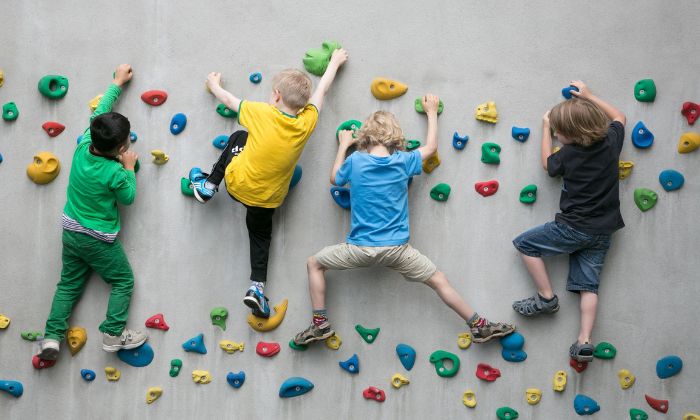
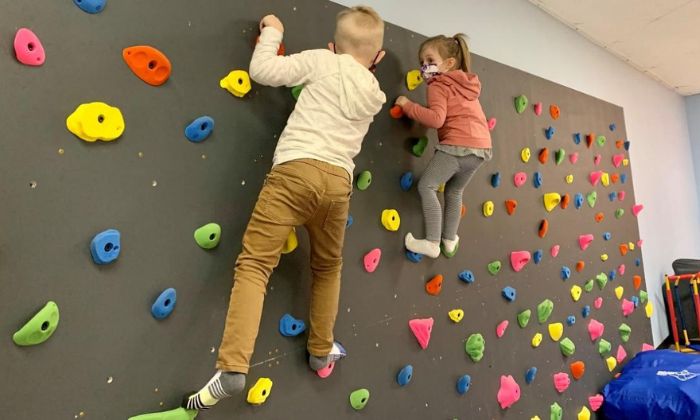
Climbing is a full-body workout for kids. It strengthens arms, legs, and core muscles while refining balance and gross motor skills. Children learn how to pull themselves up, calculate their next step, and build confidence as they reach the top.
This type of physical activity contributes greatly to a child’s overall growth and physical resilience.
Suitable for Older Kids
Climbing Structures are perfect for energetic kids aged 5 and up. These children need more advanced challenges to stay engaged. Indoor climbing walls and rope bridges can provide hours of mentally and physically stimulating fun, turning screen time into action time.
Encourages Problem-Solving
Unlike repetitive digital games, climbing activities engage problem solving skills in a real-world setting. Kids must figure out how to reach platforms, scale walls, and overcome obstacles. Each climb is a mini-adventure and a lesson in persistence and strategy.
Durable and Engaging for Long-Term Use
These play equipment options are often built from sturdy materials like steel frames and reinforced plastics, making them long-lasting and reliable. They’re less prone to wear and tear, making them a smart investment for indoor play centers that expect high foot traffic.
Key Considerations When Choosing Between Them
Age Range of Users
Consider the age of your users when designing play areas. Soft Play suits infants and preschoolers with its safety and sensory focus, while Climbing Structures are ideal for kids aged 5 and up. Tailoring equipment to the appropriate age range ensures a fun, safe, and developmentally appropriate play experience for all children.
Space Availability
Soft Play systems are modular and adaptable, making them perfect for compact spaces. Climbing structures, however, typically require more room and vertical clearance. For areas with space constraints, Soft Play offers a more efficient and versatile solution, fitting easily into smaller footprints without compromising on fun or functionality.
Budget and Maintenance Needs
While Soft Play requires regular cleaning, its maintenance costs are typically lower due to its soft materials. Climbing Structures, though durable, might involve higher upfront costs and more complex installations.
Also consider that indoor playground equipment is a long-term investment—choose wisely to ensure it aligns with your maintenance capacity and financial plan.
Safety and Supervision Requirements
Climbing structures require constant adult supervision due to their height and complexity, ensuring children’s safety during play. In contrast, Soft Play areas offer a safer, cushioned environment that reduces injury risk, allowing caregivers to relax more while still staying attentive. Both setups need oversight, but Soft Play provides greater peace of mind through its low-risk design.
Intended Developmental Goals
Clarifying your developmental goals whether fine motor skills, sensory play, or gross motor activities guides your choice of equipment. Focused goals ensure you select the most suitable play structures, or combine soft play and climbing elements to create a balanced, engaging environment that supports both physical growth and safe, meaningful interaction.
Which is Better? A Comparative Analysis
Choosing between soft play and climbing structures depends on the age group, space, safety needs, and the developmental goals of your indoor play area. Soft play is best suited for toddlers and preschoolers, offering a safe and flexible environment that fosters sensory development, fine motor skills, and imaginative play.
It’s easy to maintain and adaptable to various spaces, making it ideal for early childhood centers or areas with limited room. In contrast, climbing structures are better for children aged five and up. These setups promote physical strength, coordination, and problem-solving skills.
While they demand more space and require adult supervision for safety, they offer high-energy, adventurous engagement for older kids. That said, the choice isn’t always either-or. The most effective indoor play environments often blend both providing calm, creative zones for young children alongside active, challenging features for older ones. This balanced approach ensures inclusive, enriching experiences for a wider age range, making your facility more dynamic and appealing to families.
Conclusion
So, Soft Play vs. Climbing Structures which are better for indoor use? The answer lies in your goals, your audience, and your available space.
Both have incredible benefits. Soft Play delivers safety, imagination, and sensory growth for the little ones, while Climbing Structures challenge, inspire, and strengthen older kids. Whether you’re building an indoor center, enhancing a classroom, or designing a playroom, balance is key.
Choose based on age groups, safety needs, maintenance, and the kind of energy you want to cultivate. Better yet, combine both and watch your space transform into a magical land where kids of all ages can explore and play, learn, and grow.