
When it comes to Outdoor Playground Flooring, one wrong decision can put children’s safety at risk, drive up maintenance costs, or even make the playground unusable in harsh weather. It’s not just about finding something that looks good, it’s about creating a safe, durable, and welcoming space where children can laugh, run, climb, and play freely.
Parents, schools, parks, and property developers often focus on flashy playground equipment but overlook the one element that literally supports every single step: the flooring.
In this article, we’ll explore the most common mistakes to avoid when selecting outdoor playground flooring, and show you how to make choices that will keep children safe, reduce the risk of injury, and ensure your play area remains beautiful and functional for years to come.
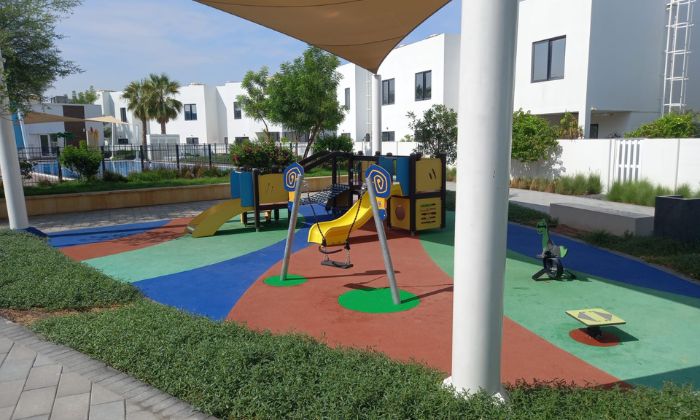
Ignoring Safety Standards
Safety should never be optional when designing a playground designed for children. Yet many decision-makers overlook basic playground surface safety standards, risking not only accidents but also legal liability. Organizations like ASTM International and the Consumer Product Safety Commission (CPSC) have set clear safety guidelines regarding impact absorption, fall heights, and surface materials.
For example, if a child falls from a swing or a climbing structure, the flooring must offer adequate fall height protection flooring to cushion the impact and prevent injury. Using hard surfaces like concrete or asphalt is a glaring mistake that still happens in some areas. These materials may be cheap, but they pose a serious danger.
Instead, opt for certified safety surfacing solutions like rubber mulch, poured-in-place rubber, or engineered wood fiber. These surfaces are slip resistant, soft underfoot, and rigorously tested for impact attenuation. They’re not just compliant, they’re life-saving.
Choosing Inappropriate Materials for Weather Conditions
What works in sunny Dubai may not hold up in rainy London. Climate is a major factor in selecting suitable flooring, and ignoring it can lead to rapid wear and unsafe surfaces. In areas with high rainfall or snow, weatherproof playground materials are a must.
Loose fill materials like pea gravel or sand can wash away or freeze, making them slippery and hazardous. Conversely, in sunny, hot climates, dark rubber surfaces can become uncomfortably hot to touch, deterring kids from playing.
Look for UV-resistant, weather-resistant outdoor flooring that can handle extreme temperatures, heavy rainfall, or prolonged sunlight exposure. Artificial turf and artificial grass with built-in drainage systems can be great options for varied climates, offering consistent softness and visual appeal throughout the year.
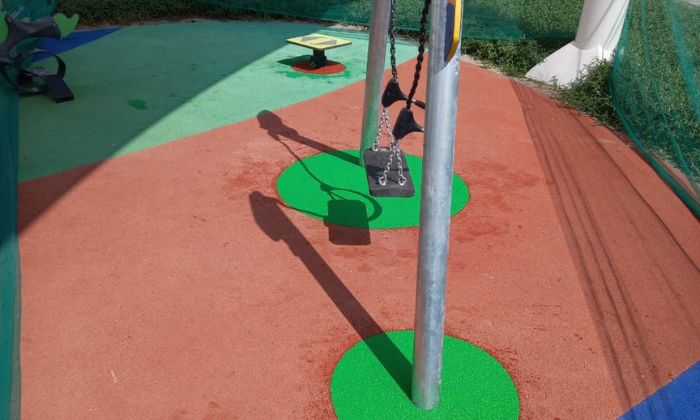
Overlooking Long-Term Maintenance Needs
Playgrounds see high traffic areas, especially in schools and public parks. Choosing flooring that requires constant maintenance can turn into a logistical and financial nightmare.
Surfaces like loose fill material (wood chips, gravel) may seem cost-effective initially, but they require frequent top-ups and leveling. Over time, these hidden costs add up. A safer bet? Low-maintenance play area surfaces like rubber flooring or synthetic turf.
These materials resist wear and tear, are easy to clean, and don’t require frequent replacement. And let’s not forget about hygiene. Kids are known for bringing in mud, food, and sometimes, nature’s little surprises. Flooring that traps dirt or absorbs liquids can become a breeding ground for bacteria. Choose materials that are easy to sanitize and don’t harbor germs because a safe playground is also a clean one.
Neglecting Accessibility and Inclusivity
An inclusive playground isn’t a luxury, it’s a necessity. Flooring plays a massive role in making play spaces accessible to children of all abilities. Choosing uneven surfaces like gravel or deep sand makes it difficult, if not impossible, for children in wheelchairs or with mobility aids to access play areas.
ADA-compliant surfaces like poured-in-place rubber or artificial turf offer smooth, stable ground that ensures everyone can join in the fun. These surfaces allow parents with strollers, kids with walkers, and even elderly grandparents to navigate the area comfortably. Accessibility is not just about ticking a box it’s about creating a safe, welcoming space for everyone.
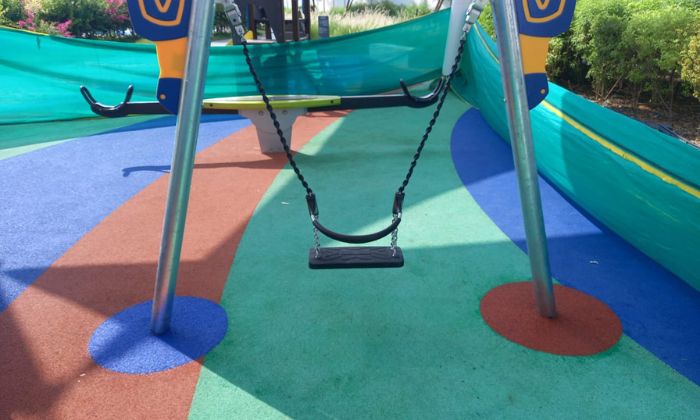
Prioritizing Cost Over Quality
It’s tempting to go for the cheapest surfacing option when budgeting for a new playground. But that short-term saving often comes at the expense of long-term safety and satisfaction.
Cheap flooring materials tend to degrade quickly, becoming unsafe and unsightly. They might not offer sufficient impact absorption, might be hard to maintain, or might not handle diverse weather conditions well. And when repairs or replacements are needed sooner than expected, the initial savings disappear.
Instead of going for the lowest bidder, look at the total cost of ownership. High-quality safety surfacing materials might cost more upfront, but they last longer, perform better, and require less maintenance making them more cost effective in the long run.
Not Considering Installation Requirements
You’ve chosen your flooring great! But have you thought about how it will be installed?
Some materials, like poured rubber or interlocking tiles, require professional installation with specialized tools and surfaces. Others, like rubber mulch or loose fill material, can be installed DIY but need regular upkeep to stay level and safe. Overlooking these details can lead to delays, unexpected expenses, and safety issues.
Before you choose a surfacing option, make sure you understand the sub-base requirements, drainage needs, and installation timeline. Poor installation can cause uneven surfaces, water pooling, or early deterioration especially in high traffic areas.
A well-installed surface will not only enhance safety but also extend the life of your investment.
Aesthetic Over Functionality
Of course, we all want playgrounds that look inviting vibrant colors, creative shapes, and themed play areas. But when design is prioritized over practicality, it can lead to major issues.
For instance, brightly colored flooring that fades quickly under sunlight might soon look dull and dirty. Or materials chosen for their texture or color might be too hard, too slippery, or simply unsafe. Slip-resistant outdoor flooring is a must, no matter how visually appealing another option might seem.
It’s possible to have both beauty and function. Many rubber flooring options come in fun colors and patterns, and artificial grass or turf can provide a lush, natural look without sacrificing safety.
The key is balance. Choose flooring that fits your design vision while still reducing the risk of injury, supporting play equipment, and accommodating weatherproof playground materials.
Conclusion
Choosing the right Outdoor Playground Flooring is about much more than just picking something soft or colorful. It’s about ensuring every child can run, jump, and play freely without fear. It’s about meeting safety regulations, managing long-term costs, and choosing a solution that works with your environment and your vision.
By avoiding the common mistakes we’ve discussed ignoring safety standards, underestimating the climate, overlooking maintenance, or chasing short-term savings you’re not just installing a floor. You’re building a future where laughter echoes, confidence grows, and childhood memories are made.
Don’t settle for “good enough.” Aim for a safe playground that’s inclusive, durable, easy to maintain, and as joyful as the kids who’ll play on it.