
Water play for toddlers is more than just splashing around on a sunny day; it’s an incredibly powerful tool for early childhood development. Imagine the joy in a toddler’s face as they swirl their hands through a basin of warm water, giggling as bubbles rise, or intently pouring water from one cup to another. These seemingly simple moments are packed with rich, layered learning opportunities that fuel growth in ways parents and early childhood educators often underestimate. From sensory development and fine motor skill enhancement to sparking creativity and nurturing social bonds, water play offers toddlers an exciting world of discovery and growth all while having fun.
In this article, we’ll explore what water play really is, unpack its unexpected developmental benefits, and provide you with practical tips for engaging your toddler in safe, age-appropriate water activities at home. Whether you’re new to the concept or looking for fresh ideas, this guide will open your eyes to why water play is one of the best learning experiences for young children.
What is Water Play?
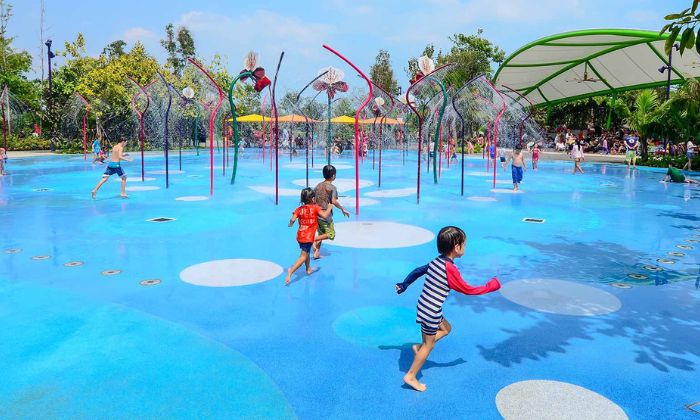
Water play is any activity that involves playing with water whether it’s a splash in the backyard, experimenting with a water table, or pouring water into containers during bath time. It can be structured or unstructured and includes everything from scooping, squeezing, and stirring, to floating objects or exploring colored water. It may sound simple, but these actions allow toddlers to combine movement with thought, and sensation with curiosity all essential elements of a rich sensory experience.
This type of play supports sensory processing by exposing toddlers to different temperatures, textures, and movements. With water play, children learn to coordinate their hands and eyes, develop fine motor skills, and experiment with cause and effect. It’s also a great form of physical activity, getting toddlers moving, stretching, and engaging their bodies in a fun and refreshing way.
Benefits of Water Play for Toddlers
Sensory Development
One of the most powerful benefits of water play for toddlers is how it fuels sensory development. As toddlers splash, pour, and explore water, they’re receiving constant sensory input. The sensation of cold or warm water, the pressure from pouring, the resistance of floating toys all contribute to how toddlers process sensory information.
This type of sensory play is essential for helping young children understand their environment. Through sensory development in toddlers, they learn to differentiate between textures, temperatures, and sensations, laying the groundwork for sensory processing skills they’ll use for life.
Motor Skill Enhancement
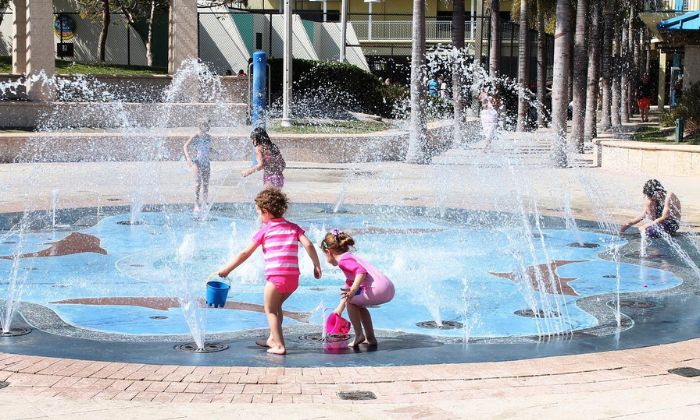
Ever watched a toddler fill a small cup with water, balance it, and walk it over to another container? That’s motor skill improvement through play in action. Water play strengthens both gross motor skills like standing, reaching, and balancing and fine motor skill development such as grasping, pinching, and squeezing.
By encouraging children to squeeze sponges, twist lids, or guide water through small tubes, water play becomes a fun-filled gym for their hands. These are the building blocks for later activities like writing, dressing, and using utensils.
Cognitive Growth and Learning
Water play offers endless opportunities for problem solving skills, logical thinking, and experimentation. How many cups of water does it take to fill a bucket? What floats and what sinks? What happens when you add food coloring?
This form of learning through water exploration engages a toddler’s natural curiosity. It turns everyday play into scientific inquiry. They’re learning about volume, gravity, motion, and cause-and-effect relationships in ways that are memorable and developmentally appropriate. It’s one of the most impactful learning experiences for toddlers because they’re having fun while absorbing key cognitive concepts.
Language and Communication Skills
When toddlers engage in water play with caregivers, siblings, or peers, it naturally leads to conversation. They learn new words like “pour,” “full,” “drip,” or “overflow.” Asking questions and describing actions strengthens their vocabulary and comprehension.
Early childhood educators often use water tables to spark communication in group settings, helping toddlers learn to express themselves and take turns. Whether you’re encouraging children at home or in a classroom, water play builds a solid foundation for language development.

Emotional and Social Development
Water play is incredibly soothing and emotionally grounding. For toddlers, it can help regulate emotions and reduce anxiety. The repetitive motions pouring, scooping, swirling have a calming effect and can help toddlers express themselves non-verbally when they’re feeling overwhelmed.
Playing alongside others also fosters social skills. Toddlers learn to share tools, take turns, and cooperate during joint water activities. These small interactions lay the groundwork for empathy, patience, and group play, making water play a vital part of emotional and social development.
Creativity and Imagination
Water is a blank canvas for the imagination. Add some toy animals, a few containers, and a touch of food coloring, and suddenly your toddler is exploring an underwater world, cooking soup, or conducting science experiments.
This type of open-ended play fuels creativity. Toddlers make up stories, explore roles, and invent new uses for familiar items. It’s a powerful way to foster imaginative thinking, especially in environments that encourage freedom and expression.
Encouraging a Love for Nature and Exploration
Many water play activities take place outdoors, where toddlers are exposed to sunshine, fresh air, and natural elements. Think outdoor play benefits kids; it promotes not just health, but a deep connection with the natural world.
Add some leaves, rocks, flowers, or even safe mud to your water play, and suddenly toddlers are engaging with nature in a hands-on, meaningful way. This builds early appreciation for the environment and nurtures their inner explorer. It encourages young children to become curious, confident learners, traits that last well beyond toddlerhood.
Tips for Safe and Engaging Water Play
Supervision and Safety Guidelines
Water, while wonderful, also requires caution. Supervision is key, never leave toddlers alone with even small amounts of water. Make sure the water temperature is comfortable and that the play area is non-slip and hazard-free. Buckets and basins should be shallow, and all tools and toys should be age-appropriate.
Use positive guidance, not fear, to teach children how to interact safely. Remind them gently not to run on wet surfaces or splash in others’ faces.
Age-Appropriate Water Play Ideas
Not all water activities are created equal. For younger toddlers, try simple activities like splashing in a small basin, squeezing soft sponges, or watching objects float and sink. As they grow, you can introduce more complex tasks like pouring through funnels, using small cups for measurement, or guiding water through simple obstacle courses.
Mix things up with ice cubes, colored water, bubbles, or even small waterproof lights for night-time fun. Activities should grow with your child always balancing fun with new skills to practice.
Simple Materials for Effective Home-Based Water Play
You don’t need expensive equipment to create a fun and educational water play session. A basic water table, plastic containers, measuring cups, sponges, colanders, and even kitchen utensils can create hours of play. Add items like bath toys, toy boats, or waterproof dolls to inspire themed play.
Use food coloring to mix primary colors and teach about blending. Fill spray bottles and squirt toys for muscle strength development. With a bit of creativity, the simplest tools can offer the richest play experiences.
Conclusion
Water play for toddlers is far more than a summer pastime or a mess to clean up. It’s a gateway to developmental milestones, joyful discovery, and meaningful bonding. From motor skill improvement through play to language development, sensory processing, and the confidence that comes from problem-solving, water play is a holistic, powerful tool that supports your child’s growth.
By providing safe, engaging, and thoughtful water activities, you’re not just entertaining your toddler, you’re laying the groundwork for a lifetime of learning, creativity, and emotional strength. Whether at home or in a preschool setting, the benefits ripple far beyond the splash.
So next time your toddler asks for some splash time, say yes and know that with every drop of water, they’re building skills, memories, and the joy of exploration. Water play for toddlers isn’t just playtime it’s a gift for their body, mind, and heart.