
When summer heat sets in, parents often look for fun, refreshing ways for their children to enjoy water safely. Two popular options stand out: water splash parks vs. traditional pools. Both offer exciting play opportunities, but when toddlers are involved, safety becomes the most pressing concern. For parents of young children, the choice between a splash pad and a swimming pool isn’t just about fun, it’s about creating memories without risking accidents.
In this guide, we’ll explore both options in depth, uncover their advantages, potential risks, and share expert advice to help parents make the right choice.
What Are Water Splash Parks?
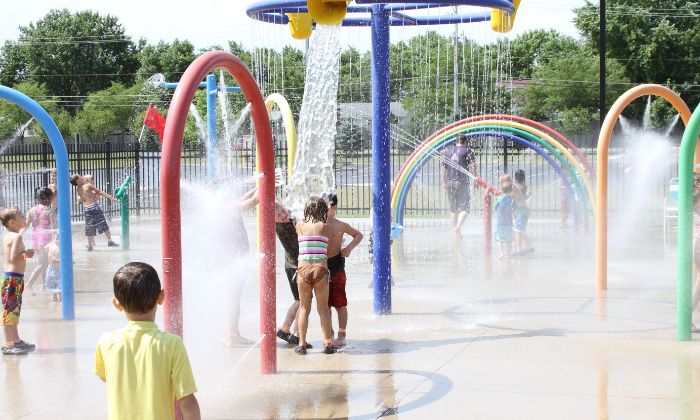
Water splash parks, also known as splash pads, are child-friendly water play areas designed with fountains, sprayers, buckets, and gentle streams of water. Unlike swimming pools, splash pads have little to no standing water, reducing the chances of a drowning incident.
These parks usually feature slip-resistant surfaces, interactive toys, and playful themes that engage toddlers’ imagination. Because of their recirculating systems, water is filtered and sprayed continuously, creating a refreshing play environment without requiring children to submerge themselves.
For parents seeking safe water activities for kids, splash pads have quickly become a go-to choice. They allow young children to run, jump, and explore without the same level of supervision required at swimming pools.
What Are Traditional Pools?
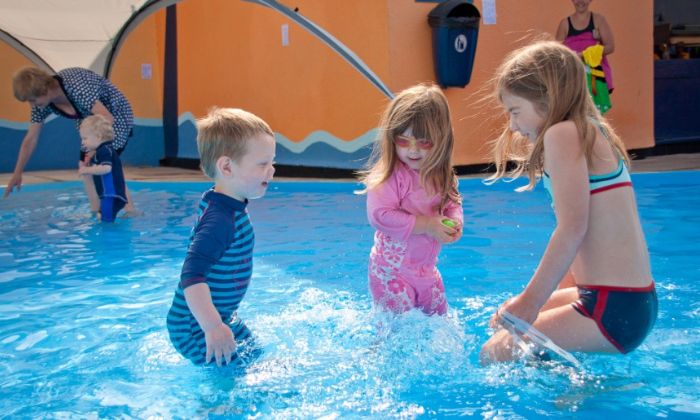
Traditional pools, whether community swimming pools, private backyard pools, or even wading pools are still the most recognizable option for water play. Pools come in various depths, from shallow wading pools for toddlers to deep wave pools, lazy rivers, and even hot tubs at large recreational complexes.
Swimming pools encourage skill development through swim lessons, floating, and underwater play. They provide both relaxation and exercise, making them appealing to families with children of all ages. However, pools do involve standing water, which means drowning risks are present even in shallow areas.
Key Safety Concerns for Toddlers
When comparing splash pad vs swimming pool safety, parents must consider the unique risks toddlers face:
- Drowning risks in pools: The most serious concern, as children can drown silently and quickly, even in just a few inches of water.
- Slips and falls: Both splash parks and pools have wet surfaces that can cause injuries.
- Hygiene and waterborne illness: Improperly maintained recirculating systems can spread bacteria.
- Supervision challenges: With many children in a play area, parents can easily get distracted.
- Overheating and sun exposure: Extended time outdoors requires protection.
Safety Advantages of Water Splash Parks
Splash pads are often praised for being among the safest water activities for young children, and here’s why:
- Minimal drowning risk: With no deep standing water, the chances of a drowning incident are drastically reduced.
- Engaging play areas: Toddlers can enjoy water sprayers, tipping buckets, and fountains, all without entering a pool.
- Accessible for all ages: Even babies and toddlers in strollers can safely enjoy mist areas without full immersion.
- Ease of supervision: Parents can watch children closely without needing to get into the water.
For many families, the splash pad feels like a safer middle ground: interactive water play without the intense risks of swimming pools.
Safety Advantages of Traditional Pools
While pools carry more risks, they also provide unique benefits that splash parks cannot:
- Skill development: Pools are where children learn to swim, a life-saving skill that helps prevent drowning later in life.
- Controlled environments: With lifeguards present at many public pools, safety measures like life jackets and pool rules are enforced.
- Variety of experiences: From shallow wading pools to larger recreational features like wave pools and lazy rivers, pools offer flexibility.
- Family bonding: Swimming together creates confidence and comfort in water, building lifelong positive associations.
While pools are riskier, they can be the foundation of teaching water safety and resilience from a young age.
Potential Risks in Both Settings
Even though splash pads seem safer, both water play environments carry potential hazards:
- Slipping accidents on wet surfaces.
- Water contamination from poorly maintained recirculating systems in splash parks or swimming pools.
- Overcrowding makes supervision more difficult.
- False sense of security – Parents may relax too much at splash pads, assuming no risks exist.
The truth is, no water environment is 100% safe. Vigilant adult supervision remains the most powerful way to prevent drowning and injuries.
Expert & Parental Guidelines for Safer Water Play
Experts stress that whether at a splash pad or a swimming pool, toddlers require constant, close, hands-on supervision. Here are some practical guidelines:
- Never leave children unattended, even for a moment.
- Use properly fitted life jackets in or near pools, especially for non-swimmers.
- Teach toddlers basic water safety rules, such as no running on wet surfaces.
- Enroll young children in age-appropriate swim lessons to build confidence.
- Avoid overcrowded facilities where it’s harder to keep track of your child.
- Be mindful of sun safety with hats, sunscreen, and shaded breaks.
Parental presence—not just lifeguards or staff—is the key to preventing accidents.
Which Is Safer for Toddlers?
When weighing water splash parks vs. traditional pools, splash pads are generally safer for toddlers because they eliminate the greatest threat: drowning. With no deep water, toddlers can enjoy water play more freely.
However, pools are where children can learn to swim—an essential skill that protects them for life. While splash parks provide a safer environment for immediate fun, pools play a vital role in long-term water safety.
So, which should parents choose? The answer depends on your goal:
- For casual fun and reduced drowning risks, splash pads are the safer choice.
- For developing swimming ability and long-term safety, pools are essential, provided strict supervision and precautions are in place.
Ultimately, parents don’t have to choose one over the other—both can be part of a child’s healthy, happy relationship with water.
FAQs
Are splash pads completely safe for toddlers?
No. While splash pads reduce drowning risks, they still pose hazards such as slips, falls, or waterborne illnesses if not well maintained. Constant supervision is necessary.
At what age can toddlers start swimming lessons?
The American Academy of Pediatrics recommends starting swim lessons as early as age 1, depending on the child’s readiness and comfort level.
How can parents reduce drowning risks at pools?
Always stay within arm’s reach, use life jackets, avoid distractions like phones, and teach children water safety skills early.
Are splash parks more hygienic than pools?
Not always. Both use recirculating systems, and hygiene depends on maintenance. Poorly treated water in either setting can cause illness.
Conclusion
When comparing water splash parks vs. traditional pools, splash pads provide a safer, low-risk environment for toddlers who just want to play. But pools offer the crucial opportunity to learn swimming skills, making them invaluable for long-term safety.
For parents, the solution is balance: choose splash pads for carefree fun, and use pools with supervision and precautions for learning. Whichever you pick, remember that children can drown silently and quickly, so vigilance is non-negotiable.