
Outdoor playground equipment brings joy, energy, and imagination to life. It’s where young children laugh, run freely, make friends, and build lifelong memories. But behind the scenes of every fun-filled play area lies careful planning, precise decision-making, and strict attention to safety. Unfortunately, many people make critical mistakes when purchasing playground equipment mistakes that can lead to injuries, wasted money, and long-term regret.
Whether you’re designing a public playground, updating your school’s outdoor play area, or installing a backyard set, avoiding common pitfalls can help you create a space that’s fun, safe, and built to last.
Let’s explore the most frequent mistakes buyers make and how you can steer clear of them.
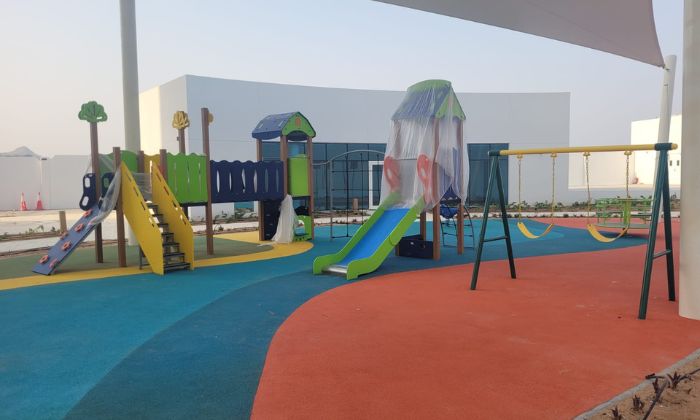
Ignoring Safety Standards
Safety is non-negotiable when it comes to playgrounds. Ignoring playground safety standards is one of the most dangerous mistakes anyone can make. Equipment that doesn’t comply with international safety norms poses potential hazards like sharp edges, loose bolts, and insufficient fall height protection.
Every piece of playground equipment should meet recognized safety benchmarks such as ASTM, EN, or ADA standards. These guidelines ensure the structural integrity of the equipment and reduce injury risks, especially in public playgrounds where daily usage is high.
Take Action: Always ask for safety certifications. Ensure that safety surfacing like rubber mats or engineered wood fiber is included to absorb impact. Don’t compromise safety for style.
Choosing the Wrong Materials
Looks can be deceiving. Just because a structure looks colorful and fun doesn’t mean it’s made from weather-resistant materials or suited for your environment.
If your area experiences harsh sun, rain, or snow, choosing metal that rusts easily or wood that warps can be a costly mistake. Non-durable materials lead to wear and tear, quicker replacements, and higher maintenance costs.
Take Action: Opt for high-quality, UV-resistant plastics, stainless steel, and pressure-treated or coated wood. These materials retain their shape and color, resist corrosion, and extend the life of your investment.
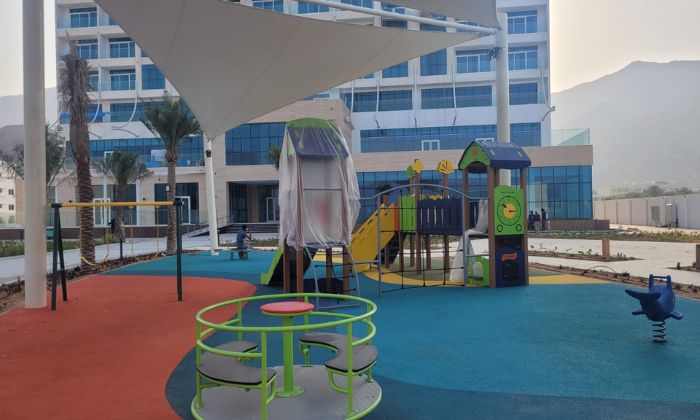
Not Considering Age Group
A play area designed without considering the age group of its users is not just inefficient, it’s dangerous. Swings, slides, and play structures for toddlers are vastly different from those for older kids.
For instance, toddlers need low platforms, enclosed structures, and slow slides. In contrast, older children benefit from climbing walls, monkey bars, and more challenging features.
Buying equipment not suited to the developmental level of the children can result in boredom or injuries.
Take Action: Follow the principles of age-appropriate playground design. Break the playground into zones based on age, such as 2–5 years and 5–12 years. This ensures each child plays safely and confidently.
Overlooking Space Requirements
When selecting outdoor playground equipment, the space it physically occupies is only part of the picture. The required use zone is the space around equipment that provides clearance and safety buffers is often overlooked.
Overcrowded play areas or poorly spaced equipment increase collision risk, especially during active play.
Take Action: Measure your space carefully, including vertical clearance. Consider how kids will run, move, and interact with multiple play structures at once. Always leave room for pathways, safety surfacing, and supervision zones.
Skipping Site Preparation
No matter how durable or innovative the equipment, it’s only as good as the ground it sits on. Neglecting site preparation leads to uneven installations, drainage issues, and unstable foundations.
Soil conditions, slope, drainage, and surface material all play a huge role in equipment longevity and safety.
Take Action: Conduct a professional site inspection before installation. Level the ground, install proper safety surfacing, and make sure your fall height protection is sufficient to reduce injuries from accidental tumbles.
Underestimating Installation Needs
Many buyers assume installation is as simple as bolting a few parts together. In reality, poor installation is one of the most common playground installation errors. If play structures aren’t anchored properly, they can wobble, tilt, or collapse endangering kids and increasing liability.
Also, some installations require digging, concrete foundations, or assembly by trained professionals.
Take Action: Don’t DIY unless you’re qualified. Use certified installers who follow the manufacturer’s specifications and local safety regulations. Ask for a post-installation inspection to ensure everything is secure.
Ignoring Maintenance Costs
Buying outdoor playground equipment isn’t a one-time expense. Regular maintenance is essential to preserve functionality and safety. Many buyers fail to budget for upkeep, leading to broken parts, rust, or unsafe conditions.
Neglecting to regularly inspect your playground can result in accidents due to unnoticed wear and tear, loose bolts, or damaged components.
Take Action: Create a regular maintenance schedule. Train staff or assign responsibilities to routinely check for structural integrity issues. Budget annually for repairs, cleaning, and updates. This proactive approach extends your equipment’s life and keeps children safe.
Failing to Plan for Supervision
Even the best-designed playground can’t prevent accidents without adult supervision. Yet, supervision is often left out of the planning phase. Lack of visibility, poor layout, or overcrowded zones can make it difficult for adults to monitor all children at once.
Take Action: Incorporate open sightlines in your playground design. Add shaded seating areas for caregivers close to active zones. Install signage reminding guardians of supervision roles. Ensure your playground allows for easy adult access and emergency response.
Focusing Only on Price
We all love a good deal, but when it comes to outdoor playgrounds, the cheapest option may not be the safest or most reliable. Focusing only on price can lead to poor-quality materials, unsafe construction, and a short equipment lifespan.
Cheap equipment often lacks certifications, proper finishes, and necessary playground safety standards. Over time, this “savings” turns into repeated spending and frustration.
Take Action: Balance cost with quality. Look for high-quality, certified, durable equipment with warranty coverage. Think long term better materials and professional installation may cost more upfront but save thousands over time.
Not Involving Stakeholders
Playgrounds serve the community, yet many decision-makers forget to include stakeholders in the process. Parents, teachers, students, and local residents all bring valuable insights into how the playground will be used.
Ignoring their input can result in unpopular or underused installations that don’t meet actual needs.
Take Action: Host a community meeting or survey before finalizing your plan. Let children share their dreams, and parents raise concerns. This fosters community ownership and ensures the final play area is loved and respected.
Conclusion
Buying Outdoor Playground Equipment is more than a purchase; it’s a promise to provide a joyful, safe, and lasting play experience for children. When we ignore safety, underestimate space, or skimp on materials, we risk turning that dream into a disappointment or worse, a danger.
From choosing age-appropriate playgrounds to planning for regular maintenance, each decision shapes the future of your play area. Avoiding these common mistakes will not only protect your investment but also build trust within your community and smiles on children’s faces.