
EPDM flooring is widely loved for its durability, safety, and versatility, especially in play areas, high traffic areas, and outdoor spaces. But despite its many benefits, there are common problems with EPDM flooring that can quickly turn your dream project into a costly headache if you’re not careful. Whether you’re planning to install rubber flooring in a school playground, gym, or residential garden, being aware of these issues can save you time, money, and frustration.
If you’re investing in this high-quality type of flooring, you need to ensure a proper installation from the start and commit to good maintenance practices to extend its life. Let’s dive deep into the most frequent EPDM flooring issues, understand what causes them, and learn how to avoid these pitfalls to keep your rubber surface safe, attractive, and long-lasting.
Poor Installation Practices
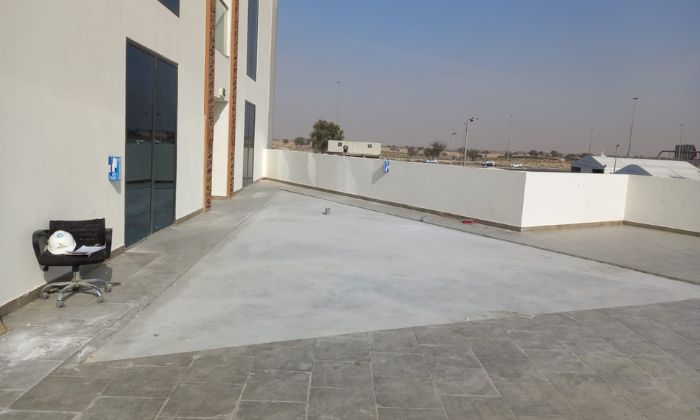
One of the most dangerous mistakes you can make with EPDM flooring is trusting an inexperienced flooring installer. Rubber flooring installation mistakes like uneven surfaces, improper adhesives, or incorrect curing times can lead to major problems in the long term. Improperly installed flooring can cause tripping hazards, create weak spots, and reduce the overall performance of the surface.
Many issues start with the installer failing to install rubber tiles or wet pour correctly, resulting in poor bonding and a fragile top layer. This can quickly lead to wear and tear, forcing you into costly repairs. Inadequate preparation of the subfloor or rushing the process may also compromise drainage, creating standing water that accelerates surface damage.
How to Avoid It:
Always choose a certified, experienced professional when installing rubber flooring. Ask about previous projects, request references, and ensure the contractor understands the specific requirements for EPDM rubber material. Proper installation is the foundation for a successful, long-term flooring solution.
Drainage and Water Pooling Issues
One of the most frustrating common problems with EPDM flooring is drainage and water pooling issues. If the surface isn’t installed with the correct slope or if the drainage system is inadequate, water can accumulate and form puddles. This standing water not only damages the surface but also poses a serious slipping risk.
In play areas, where children frequently run and jump, water pooling is especially hazardous. Besides, excessive moisture can penetrate the rubber layers, weakening the structure and leading to mold and bacteria growth.
How to Avoid It:
Ensure your contractor carefully plans the drainage system before installation. Regularly check for areas where water tends to collect and take immediate action to improve drainage if needed. Incorporating playground flooring drainage solutions can prevent long-term damage and keep the surface safe and slip-resistant.
Cracking and Surface Wear
Another common frustration with EPDM flooring is cracking and surface wear, especially in high traffic areas. Over time, foot traffic, exposure to harsh weather, and poor maintenance can cause the rubber to break down, leading to unsightly cracks and compromised safety.
Cracks not only ruin the aesthetic appeal but also allow water to seep underneath, worsening the damage. This is particularly common when rubber tiles or surfaces are not maintained correctly or when cheap materials are used during installation.

How to Avoid It:
Invest in high-quality rubber material from reputable suppliers and regularly inspect the surface for early signs of wear and tear. Applying appropriate EPDM surface cracking solutions at the first sign of trouble can prevent minor cracks from turning into major safety concerns.
Fading and Discoloration
One of the most visible common problems with EPDM flooring is fading and discoloration. Exposure to UV rays, harsh weather conditions, and chemical spills can cause the surface’s vibrant colors to fade, making your playground or pathway look dull and aged.
Discoloration isn’t just an aesthetic issue; it’s a sign that the top layer is deteriorating, which can lead to faster surface breakdown and loose granules. It can also make the flooring appear dirty, even when it’s clean.
How to Avoid It:
Use preventing rubber flooring discoloration techniques like applying UV-resistant coatings and regularly cleaning the surface to remove dirt and chemicals. Also, avoid using abrasive cleaning agents and harsh detergents that can erode the rubber surface.
Loose Granules and Surface Shedding
Over time, many EPDM floors experience loose granules and surface shedding. This happens when the binder that holds the rubber granules together starts to weaken, often due to poor-quality materials or harsh cleaning practices.
Loose granules not only make the floor look worn but can also create slippery patches, increasing the risk of falls, especially in high traffic areas or busy play areas.
How to Avoid It:
Select a high-quality type of flooring and follow EPDM flooring maintenance tips to regularly clean the surface gently but effectively. Avoid aggressive scrubbing or using high-pressure water jets that can speed up the shedding process. Consider performing a deep clean at appropriate intervals to maintain the integrity of the surface without damaging the binder.
Slippery Surface When Wet
A slippery surface when wet is one of the most dangerous common problems with EPDM flooring. It can turn a seemingly safe rubber surface into a hazardous zone, especially in play areas or where children are running.
Although EPDM is generally considered slip-resistant, poor drainage, accumulated debris, and moss growth can quickly change that.
How to Avoid It:
Install with proper slope and an effective drainage system to prevent water accumulation. Regularly clean the surface to remove algae, moss, or dirt that can contribute to slipperiness. Adding anti-slip coatings or refreshing the surface texture can also help maintain slip-resistant properties over time.
Difficulties in Repair and Patching
Many people are surprised by how difficult it can be to repair and patch EPDM flooring. Unlike tiles that can be easily swapped out, a wet pour EPDM surface requires special adhesives, color matching, and expertise to achieve a seamless look.
Poorly executed repairs can result in noticeable patches, uneven surfaces, and tripping hazards. Worse, if the sub-surface is not properly prepped, the problem may reappear within months.
How to Avoid It:
Address minor damages promptly using the right EPDM surface cracking solutions to prevent escalation. If a major repair is needed, always hire an experienced flooring installer who understands how to work with rubber material and can properly blend new patches with existing surfaces.
Conclusion
Being aware of the common problems with EPDM flooring can save you from significant hassle, unexpected costs, and serious safety concerns in the future. Whether it’s poor installation, drainage and water pooling issues, cracking, fading, or loose granules, most of these challenges can be avoided with the right knowledge and proactive care.
The secret to success lies in choosing proper installation, using high-quality materials, ensuring an effective drainage system, and committing to regular cleaning and timely maintenance. When you install rubber flooring correctly and follow essential EPDM flooring maintenance tips, you protect your investment and create a space that remains safe, beautiful, and functional for years to come.