
Themed Playground Equipment is more than just swings, slides, and climbing structures; it’s a gateway to magical worlds where children can transform into pirates, astronauts, superheroes, or explorers. These creative play environments allow young children to immerse themselves in stories, adventures, and role-playing activities that fuel their imagination and support their overall growth.
For parents, educators, and communities, investing in themed playgrounds isn’t just about making outdoor play spaces look attractive; it’s about providing children with opportunities for language development, problem-solving skills, social interactions, and emotional growth. Let’s dive deeper into how these unique play environments enrich childhood play experiences.
What is Themed Playground Equipment?
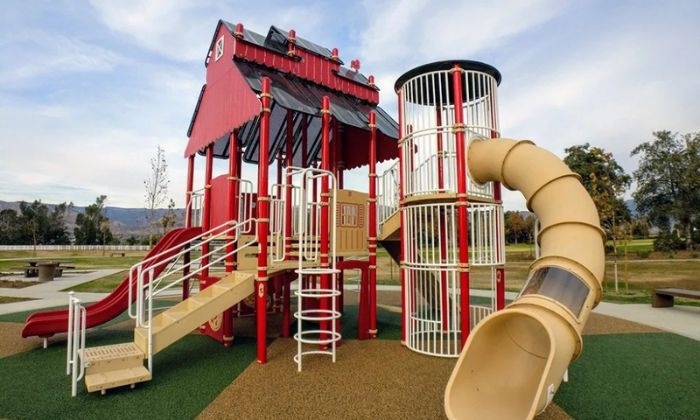
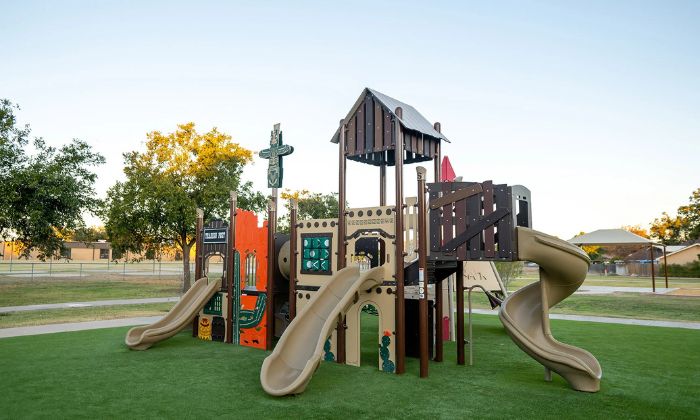
Themed playground equipment refers to playground equipment designed around a specific story, concept, or environment. Unlike traditional play structures, these are built with imaginative details that transform ordinary outdoor play into extraordinary adventures.
Imagine a playground shaped like a pirate ship where kids can sail across stormy seas, a jungle adventure setting filled with animal-themed slides, or a rocket-inspired tower that lets children feel like astronauts preparing for space missions. These adventure playground designs instantly capture children’s curiosity and keep them engaged in pretend play.
This type of play equipment encourages not just physical movement but also fostering creativity, storytelling, and role-playing activities for children. A simple cardboard box can spark imagination at home, but a themed playground turns entire spaces into large-scale pretend play environments that connect directly with children’s dreams.
Benefits of Themed Playground Equipment
Themed playgrounds are not just visually appealing, they have powerful developmental benefits. By offering opportunities for early childhood play that combines fun with learning, these spaces become vital for cognitive, emotional, and social development.
Encourages Role-Playing
One of the most powerful benefits of themed playgrounds is how they encourage role-playing activities for children. When a child steps onto a castle-themed slide, they’re no longer just climbing; they’re knights defending a kingdom or royalty ruling from a tower.
This type of play helps children understand the real world by mirroring experiences and scenarios they see around them. Pretend play strengthens imagination and allows kids to explore different roles, improving their communication skills and empathy. Children who are regularly engaged in pretend play often develop stronger language and communication abilities as they practice dialogue, storytelling, and expressive speech.
Enhances Social Interaction
Playgrounds are natural hubs for social interactions, and themed designs take this to the next level. When a group of children enters a pirate ship playground, they immediately find common ground in their play narrative. Some become captains, others crew members, and together they navigate imaginary seas.
These play experiences teach problem solving skills, cooperation, and negotiation. A child might say, “Who’s steering the ship?” while another insists on leading the treasure hunt—through these exchanges, kids strengthen language skills and practice teamwork. In this way, creative play environments become classrooms for social growth.
Stimulates Cognitive Development
Themed playgrounds naturally support cognitive development through play. Every obstacle, slide, or climbing wall becomes a challenge that requires children to think critically, solve problems, and make decisions.
For example, in a space-themed playground, a child may decide which “planet” to explore first. They learn sequencing (“First we launch, then we land”) and develop cognitive skills like planning and strategy. Pretend play also sparks storytelling and pretend play spaces, which are crucial for language development and abstract thinking.
Children engaged in themed play are constantly solving problems, whether it’s how to escape from a dragon’s lair or how to rescue a friend from a castle tower. These situations nurture flexible thinking and creativity in ways no worksheet ever could.
Improves Emotional Expression
Children often express emotions more freely during play experiences than in structured classroom settings. Themed playgrounds give them safe spaces to act out fears, joys, and challenges. A child who plays doctor in a hospital-themed playground may be working through feelings about their own real-world medical visits.
By creating characters and stories, young children learn to manage emotions, understand empathy, and build resilience. These settings also provide comfort transforming ordinary play into a supportive way of encouraging children to share their feelings.
Examples of Themed Playground Settings
- Pirate Ships: Encourage treasure hunts, teamwork, and ocean adventures.
- Castles and Kingdoms: Let children role-play as kings, queens, knights, or dragons.
- Space Stations: Inspire curiosity about science and exploration.
- Jungle Adventures: Encourage climbing, swinging, and discovery in wild settings.
- Transportation Playgrounds: Trains, cars, or airplanes that promote movement and cooperation.
Each design isn’t just fun, it’s carefully crafted to support language and communication, emotional growth, and fostering creativity.
How Themed Playgrounds Support Inclusive Play
Inclusivity is vital in modern playground design. Themed playgrounds often include play equipment that children of all abilities can enjoy. For example, wide ramps allow wheelchair users to join castle adventures, while sensory panels support children with autism in staying engaged in pretend play.
When designed thoughtfully, these environments ensure every child has a role in the adventure, building confidence and creating a sense of belonging. By offering multiple ways to interact visual, tactile, and auditory themed playground equipment promotes fairness and equality in outdoor play.
Role of Parents and Educators in Supporting Imaginative Play
While the playground sets the stage, parents and educators are key actors in encouraging children to dive into imaginative worlds. Adults can support play by:
- Asking open-ended questions (“What happens next in your story?”) to boost language skills.
- Joining in role-play as characters, modeling storytelling and problem-solving.
- Observing play to identify moments where children practice social interactions and teamwork.
Educators can also integrate play experiences into learning. A space-themed playground visit might be followed by a classroom lesson on planets, linking pretend play to the real world. Parents, meanwhile, can extend stories from the playground at home—turning a bedtime story into a continuation of the day’s adventure.
Conclusion
In a world where screens often dominate children’s time, Themed Playground Equipment offers something far more powerful: a chance to explore, create, and dream. These creative play environments don’t just entertain, they shape minds, strengthen social bonds, and nurture emotional resilience.
By supporting role-playing activities for children, enhancing social interactions, and boosting cognitive development through play, themed playgrounds create meaningful, lasting childhood memories. They turn ordinary outdoor spaces into magical lands where young children learn the art of storytelling, teamwork, and solving problems.