
Installing Outdoor Playground Equipment can be one of the most rewarding projects bringing joy, laughter, and physical activity to children of all ages. But beneath the excitement lies a deep responsibility: keeping children safe. Each swing, slide, and climbing wall carries a potential risk if not planned and installed correctly. That’s why understanding and applying strict safety standards is not just advisable, it’s absolutely necessary.
This article walks you through a comprehensive, step-by-step guide to safely installing outdoor playground equipment. Whether you’re a school administrator, community planner, or parent-led initiative leader, these installation guidelines will help you prevent injuries, reduce liability, and ensure every child plays with confidence and joy.
Choose Age-Appropriate Equipment
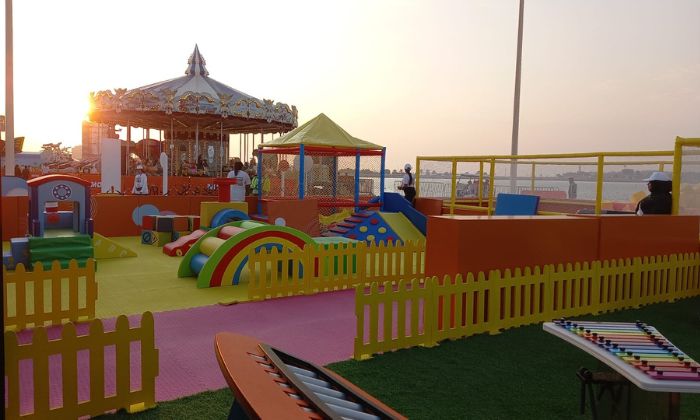
One of the most critical first steps is selecting age-appropriate structures. Children develop at different rates, and what is fun for a 10-year-old may be dangerous for a toddler. Manufacturers usually provide age-appropriate design standards, which outline what equipment suits specific age ranges such as toddlers (6–23 months), preschoolers (2–5 years), and school-age children (5–12 years).
When choosing equipment:
- Consider the developmental skills (climbing, balancing, grasping).
- Make sure playground equipment installation includes signage for age groups.
- Avoid combining vastly different age groups in one play area without clear supervision zones or physical barriers.
Ignoring these distinctions can lead to injuries, frustration, and even legal issues. Protect young adventurers by giving them equipment designed just for their needs.
Select a Safe Playground Surface
Hard ground is a safety hazard in disguise. Grass, concrete, or asphalt might seem sturdy, but they offer minimal protection during a fall. According to playground surface requirements, an impact-absorbing surface is essential beneath and around play structures.
Recommended materials include:
- Engineered wood fiber
- Rubber mulch
- Poured-in-place rubber
- Synthetic turf with padding
These materials reduce the severity of injuries and comply with playground safety regulations. Aim for a surface depth that aligns with the equipment height limits, which generally means 12 inches of loose fill for structures up to 8 feet high.
Proper surfacing can mean the difference between a minor bump and a serious injury.
Ensure Proper Equipment Spacing
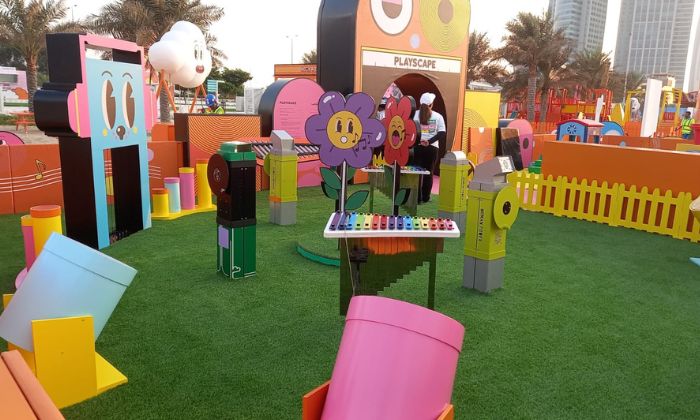
Children need room to run, jump, and explore without bumping into each other or stationary equipment. Safe equipment spacing helps prevent collisions and crowding, reducing injury risks.
Guidelines to follow:
- Leave at least 6 feet between each piece of equipment.
- Slides, swings, and spinners require extended clearance zones.
- Ensure equipment spacing follows playground safety regulations.
Incorrect spacing is one of the most common oversights in playground equipment installation. Take the time to map it out. It’s worth every inch.
Install Secure Anchoring Systems
Even the sturdiest playground set is dangerous if it’s not securely fastened. Strong anchoring systems ensure that equipment won’t tip, shift, or collapse during use or under stress from children climbing or swinging.
Best practices include:
- Using manufacturer-approved secure fastenings.
- Anchoring posts in concrete or with heavy-duty ground stakes.
- Verifying the stability during and after installation.
Loose or wobbly structures invite injury and legal liability. Don’t let poor anchoring ruin an otherwise excellent play space.
Focus on Fall Zones and Height Limits
Children fall it’s part of play. But falls from excessive heights or onto unprotected ground are serious hazards. Designated fall protection zones around equipment like monkey bars, slides, and climbing walls are critical.
Important considerations:
- Adhere to equipment height limits for each age group.
- Extend impact-absorbing surface at least 6 feet in all directions.
- Keep fall zones clear of obstacles and other equipment.
Don’t underestimate the danger of even a short drop. Proper planning in this area could prevent dozens of injuries every year.
Check for Sharp Edges and Pinch Points
Children explore with their hands and often don’t recognize dangerous edges until it’s too late. During installation and afterward, inspect for sharp edges, exposed bolts, or pinch points where fingers can get caught.
Look out for:
- Gaps in hinges or moving parts.
- Cracked plastic or metal burrs.
- Openings that trap heads, fingers, or limbs.
Injury prevention starts with careful inspection. These small details are often overlooked but they matter deeply.
Provide Guardrails and Barriers
Falls from elevated platforms are among the most common playground accidents. Installing protective barriers and guardrails around platforms, walkways, and elevated areas is a must.
Barrier tips:
- Platforms over 30 inches high must have guardrails or enclosures.
- Openings in barriers should be small enough to prevent entrapment.
- Rails should be sturdy, smooth, and properly anchored.
These barriers not only prevent falls but give children and supervisors peace of mind.
Ensure Weather-Resistant and Durable Materials
Outdoor environments test everything: sun, rain, snow, and wind can weaken poorly chosen materials. Selecting weather-resistant materials ensures that your equipment stays safe and beautiful for years.
Choose:
- Galvanized steel or powder-coated metal.
- UV-resistant plastics.
- Pressure-treated, rot-resistant wood.
Avoid rust-prone screws, fading plastics, or untreated lumber. Long-term maintenance requirements are reduced significantly with smart material choices during the installation phase.
Follow Manufacturer Installation Instructions
It may seem obvious, but skipping or improvising steps in the manual can lead to hazardous outcomes. Manufacturer instructions are designed to meet safety standards, ensure durability, and provide the best play experience.
Important notes:
- Use all recommended hardware and tools.
- Follow each step precisely, no shortcuts.
- Keep an installation checklist and record steps taken for compliance documentation.
Think of the instructions as your equipment’s DNA; they’re essential for a safe and secure result.
Conduct Safety Inspections Post-Installation
Once everything is in place, take time for a thorough safety inspection before opening the playground. A second pair of eyes ideally a certified safety inspector—can help identify overlooked risks.
What to check:
- Stability and strength of each structure.
- Correct spacing, surfacing, and anchoring.
- Any signs of damage during installation.
Conducting a post-installation safety inspection ensures you meet all playground safety regulations and reassures the community that safety is your top priority.
Plan for Ongoing Maintenance and Supervision
Safety doesn’t end once the equipment is installed. Playgrounds require ongoing care and consistent supervision zones to stay safe.
Maintenance includes:
- Checking bolts and secure fastenings monthly.
- Replenishing impact-absorbing surfaces.
- Looking for wear, weather damage, or vandalism.
Also, assign roles or staff to monitor busy hours, ensuring children are supervised, and the rules are followed. Consider creating a visible schedule or checklist for maintenance requirements and routine safety checks.
Neglecting this step puts all your prior efforts at risk.
Conclusion
Creating a fun, enriching, and exciting playground starts with one core principle: safety. The joy of seeing children swing, climb, and laugh freely is priceless but it’s built on a foundation of smart planning, safe materials, and rigorous checks.
By choosing age-appropriate structures, meeting playground surface requirements, adhering to safe equipment spacing, and establishing fall protection zones, you reduce risks and create a nurturing environment. Whether you’re guiding a school project or building a community park, your efforts today can shape countless childhood memories tomorrow.
Don’t cut corners. Embrace playground safety regulations, use secure anchoring systems, provide protective barriers, and always prioritize injury prevention.